.jpg&width=800)





Small Nettle Weevil
Nedyus quadrimaculatus
The Small Nettle Weevil is a tiny bug that loves to munch on nettles. With its long snout and small size, it’s a fun little creature to discover in nature!
Habitat: Grasslands
The Small Nettle Weevil is a tiny, oval-shaped beetle with a dark grey to black body, often appearing reddish-brown. It has a distinctive, slender curved snout and is covered in fine, textured scales. Its small size and muted colours allow it to blend well among nettle foliage.
Category
InsectsRarity
Common
Danger
1/5 · Very low
Snaps
Be the first to snap!
Despite being small, they are super important for keeping nettle plants in check!
Its larvae live *inside* nettle stems, munching safely hidden away from danger!
They often play dead by dropping from plants if disturbed, a clever trick!
This tiny beetle has a built-in "straw" (its snout) for sipping plant juices!
Small Nettle Weevil has a long, pointed snout that helps them pierce tough plant stems to feed on sap and juices.
Small Nettle Weevil can blend perfectly with nettle plants because of its textured, dark body, helping them hide from predators.
Small Nettle Weevil lays eggs inside nettle stems, providing a safe, food-filled home for their developing young.
This weevil is a vegetarian, munching on leaves and stems of nettle plants with its special snout.
Age differences: Larvae feed inside plant stems and roots; adults eat leaves and stems.
Urtica dioica
Weevils feed on the leaves and stems of nettle plants.
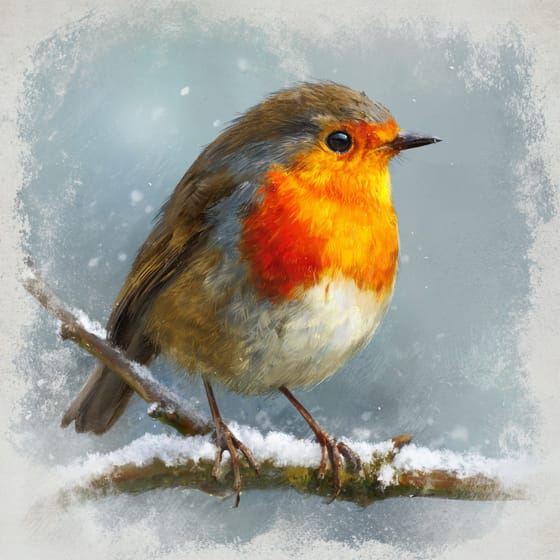
Erithacus rubecula
Small birds hunt weevils for a protein-rich meal.
Araneus diadematus
Spiders capture weevils in their webs for food.
Solitary animals live alone for most of their lives, only interacting with others for mating or parental care.
Camouflaged describes organisms that possess coloring or patterns that allow them to blend into their environment.
Grassland habitats are terrestrial biomes dominated by grasses and herbaceous plants, supporting a variety of grazing animals.
This trait characterizes organisms whose diet consists entirely or primarily of plant material.

Diurnal animals are primarily active during daylight hours, typically resting or sleeping at night.

Pertaining to species that are significantly smaller than typical or average for their kind.

Describes organisms that transfer pollen, enabling the fertilization and reproduction of plants.
No aliases listed yet.
Danger
1/5 · Very low
Be careful around nettles, as they can sting!
The easiest way to identify Small Nettle Weevil is to use the Snappit nature identifier app.
5-7 mm
2-2.8 mm
60-120 days
1 km/h
This weevil is a vegetarian, munching on leaves and stems of nettle plants with its special snout.
Grasslands
Foraging
Zoom in to split clusters and explore where this object has been snapped.
Recent snaps will appear here as new observations are added.
Take the discovery with you
Snap it with Snappit to identify it, learn what makes it special, and add the discovery to your collection.






.jpg&width=800)




