





Soaptree Yucca
yucca elata
The Soaptree Yucca is a tall, spiky plant that loves to grow in the hot desert! Its unique flowers are like little bells that attract many curious creatures.
Habitat: Desert regions of the southwestern United States and Mexico.
The Soaptree Yucca is a tall, striking plant with a woody trunk topped by a rosette of long, slender, sharp-tipped leaves. Its creamy-white, bell-shaped flowers bloom on a towering stalk, making it easily spotted in the desert.
Category
PlantsRarity
Common
Danger
1/5 · Very low
Snaps
Be the first to snap!
A tiny moth is the ONLY insect that can pollinate its flowers!
Indigenous people used its fibers for sandals and baskets!
Its roots contain natural soap, perfect for lathering up!
Some yucca plants can grow a woody trunk taller than a car!
Soaptree Yucca can only be pollinated by a special yucca moth, ensuring unique reproduction in the desert.
Soaptree Yucca has roots filled with natural saponins that create a lather, helping clean things in arid lands.
Soaptree Yucca has thick, waxy leaves and a deep taproot that help it store and find water in dry environments.
Tegeticula yuccasella
Lays eggs in flowers, larvae eat some seeds.
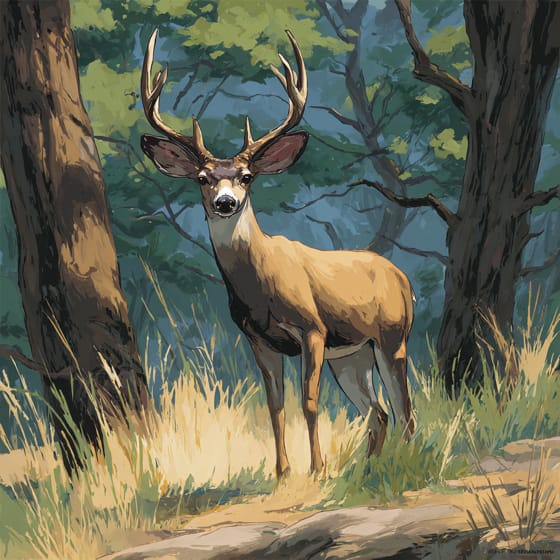
Odocoileus hemionus
Browses on leaves and flower stalks.

Sylvilagus audubonii
Feeds on young shoots and tender leaves.
Colorful describes organisms or objects displaying a wide range of bright and distinct colors.
This trait characterizes organisms whose diet consists entirely or primarily of plant material.
Desert habitats are arid regions characterized by extremely low precipitation and often extreme temperatures, supporting specialized flora and fauna.
Diurnal animals are primarily active during daylight hours, typically resting or sleeping at night.

Describes organisms that transfer pollen, enabling the fertilization and reproduction of plants.
Danger
1/5 · Very low
Be careful not to touch the sharp leaves!
The easiest way to identify Soaptree Yucca is to use the Snappit nature identifier app.
300-700 cm
90-150 cm
5-7.5 cm
Late spring to early summer
Yes
None
Perennial
Zoom in to split clusters and explore where this object has been snapped.
Recent snaps will appear here as new observations are added.

New Mexico, US
You might spot Soaptree Yucca and White-Winged Dove.
View guide →

New Mexico, US
You might spot Creosote Bush, Devilshead, and Lace-Spine Nipple Cactus.
View guide →
Take the discovery with you
Snap it with Snappit to identify it, learn what makes it special, and add the discovery to your collection.









.jpg&width=800)



_001.jpg&width=800)




