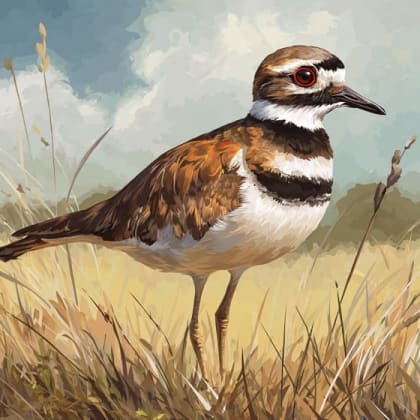





Killdeer

Nestled in southern New Mexico, the Organ Mountains-Desert Peaks National Monument is a breathtaking expanse where rugged mountain landscapes dramatically meet vibrant desert ecosystems.
Nestled in southern New Mexico, the Organ Mountains-Desert Peaks National Monument is a breathtaking expanse where rugged mountain landscapes dramatically meet vibrant desert ecosystems. This 496,330-acre national monument, managed by the Bureau of Land Management, is a testament to the region's rich natural, historical, and cultural heritage, offering an unparalleled outdoor experience. Its namesake Organ Mountains boast steep, angular spires that soar up to 9,000 feet, resembling the pipes of a grand organ or the spines of a gigantic dinosaur, while the broader monument encompasses diverse terrains including volcanic fields, vast plains, and remote mountain ranges like the Doña Ana, Potrillo, and Robledo Mountains.
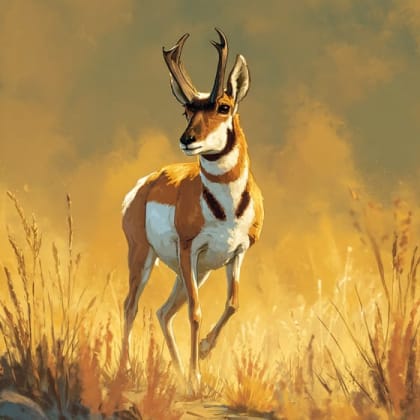
Within this expansive monument, visitors can explore a variety of habitats, from Chihuahuan Desert scrub to higher-elevation ponderosa pine forests, supporting an astonishing array of flora and fauna. Keep an eye out for iconic desert plants such as the widespread Creosote Bush, the distinctive soaptree yucca, and various cacti like the Lace-spine Nipple Cactus and fishhook barrel cactus. Wildlife abounds, with opportunities to spot larger mammals like Collared Peccary, Pronghorn, American Badger, and desert mule deer, alongside smaller creatures such as the Ornate Box Turtle and Desert Millipede. Birdwatchers will be delighted by over 200 species, including American Avocet, Black-necked Stilt, Northern Shoveler, Gambel's quail, and soaring birds of prey like Red-tailed Hawks and Golden Eagles.
The Organ Mountains-Desert Peaks National Monument is more than just a scenic backdrop; it's an invitation to connect with nature, history, and adventure. Whether you're hiking through canyons, exploring ancient petroglyphs, or simply marveling at the vast, star-filled night skies, the monument offers memorable experiences. With trails ranging from easy strolls to challenging climbs, and sites steeped in history, from astronaut training grounds to Outlaw Rock and Geronimo's Cave, it's a destination that promises discovery and awe for every visitor. Enhance your adventure: download the Snappit app to identify the local species you encounter.
The Organ Mountains-Desert Peaks National Monument was established on May 21, 2014, by Presidential Proclamation, following a significant campaign by conservation advocates and strong local support from communities and governments in Doña Ana County. The designation aimed to protect its invaluable prehistoric, historic, geologic, and biologic resources. This area has a rich and layered past, evident in its 243 known archaeological sites, including some of the earliest Native American settlements and petroglyphs. Beyond its ancient history, the monument holds more recent historical significance, having been part of the border between Mexico and the United States before the Gadsden Purchase of 1853. It also served as a hideout for figures like Billy the Kid and Geronimo, with sites such as "Outlaw Rock" and "Geronimo's Cave" preserving their legends. During the 1960s, American astronauts even trained for lunar missions at Kilbourne Hole in the Potrillo volcanic field, and the monument contains historic World War II aerial target sites.
Hiking: Enjoy numerous trails like the easy 1.5-mile Dripping Springs Trail, the 4-mile Pine Tree Trail, the 6-mile Baylor Pass Trail, or the scenic Bar Canyon Trail.
Wildlife Viewing: Spot desert mule deer, javelinas, coyotes, various birds, and reptiles.
Photography: Capture the dramatic mountain spires, desert flora, and expansive vistas.
Stargazing: The monument offers pristine night skies with minimal light pollution, perfect for viewing constellations and the Milky Way.
Horseback Riding & Mountain Biking: Many trails are open for these activities, particularly in the Desert Peaks and Potrillo Mountains areas.
Rock Climbing: Opportunities exist on the rock pinnacles of the Organ Mountains and in the Doña Ana Mountains.
Spring: Mild temperatures (64-78°F), ideal for hiking and biking, with wildflower blooms.
Summer: Scorching temperatures (90s-100s°F), best for early morning or late evening activities, and excellent for stargazing nights.
Autumn: Mild temperatures (60-80°F), perfect for crisp hikes and stargazing.
Winter: Cool days (50s-60s°F) and chilly nights, offering serene, snow-dusted landscapes and good opportunities for spotting wildlife.
The monument offers accessible restrooms, picnic areas, parking, large-print signs, braille signs, accessible fountains, and stabilized trails.
Features a visitor center, accessible trails, and historic buildings of the Van Patten Mountain Camp.
Offers stunning views of the Organ Needles and access to trails like the Pine Tree Trail.
A unique volcanic crater where Apollo astronauts trained for lunar missions.
Explore sections of the Butterfield Stagecoach Trail.
Each card links to a full Explore page with photos, traits, and fun facts.
Start with the big picture, then zoom in to explore individual wildlife observations around this place.
Hydrate generously
Always carry plenty of water, especially during warmer months, as the desert environment can quickly lead to dehydration.
Dress in layers
Temperatures can fluctuate significantly between day and night, and across different elevations. Layered clothing, sturdy hiking boots, and sun protection are highly recommended.
Plan your route
Check trail conditions and weather forecasts before heading out. Inform someone of your plans, including your route and estimated return time.
Respect wildlife
Observe animals from a safe distance and never feed them. Staying on marked trails helps protect their habitats and prevents soil erosion.
Leave no trace
Pack out everything you pack in to help maintain the pristine environment of the monument.
Visit the Dripping Springs Visitor Center: Start your trip here for maps, interpretive displays, and up-to-date information on conditions and trails.
Dec 25, 2025
Apr 28, 2025
Apr 28, 2025
Apr 28, 2025
Apr 28, 2025

Maryland, US
You might spot White-Tailed Deer and Eastern Gray Squirrel.
View guide →
.jpg)
District of Columbia, US
You might spot Eastern Gray Squirrel, Duck, and House Sparrow.
View guide →

Illinois, US
You might spot American Robin, Canada Goose, and House Sparrow.
View guide →

Virginia, US
You might spot Spotted Lanternfly and Northern Cardinal.
View guide →
Take the discovery with you
Identify the wildlife you spot, learn as you go, and keep a collection of the adventure.