





Soprano Pipistrelle
Pipistrellus pygmaeus
The Soprano Pipistrelle is a tiny bat that loves to fly around at night. It has a special way of using sound to find food, which makes it a great little hunter in the dark!
Habitat: Urban areas
The Soprano Pipistrelle is a tiny bat, typically reddish-brown on its back with a paler, greyish underside. It has a small, dark face, short ears, and a blunt tragus. Its small size and overall delicate appearance distinguish it.
Category
MammalsRarity
Common
Danger
1/5 · Very low
Snaps
Be the first to snap!
A single bat can eat hundreds of pesky mosquitoes in just one night!
These bats are so small, they often weigh less than a 50-cent coin!
They hibernate in secret, warm spots for months, sleeping until spring arrives!
They use sounds too high for human ears to navigate and hunt!
Soprano Pipistrelle can 'see' in the dark using echolocation, emitting high-frequency calls that help them navigate and hunt tiny insects.
Soprano Pipistrelle has agile wings that allow it to perform quick, erratic flight maneuvers, helping them snatch flying insects mid-air.
Soprano Pipistrelle can interpret complex sound echoes, enabling them to distinguish prey from obstacles in complete darkness.
These tiny bats are expert bug hunters, feasting on small flying insects found in the night air!
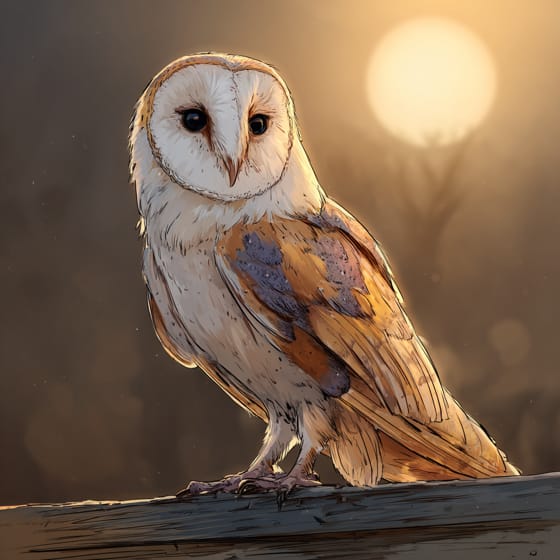
Tyto alba
A primary nocturnal predator.

Felis catus
Hunts bats in gardens and urban settings.
Culex pipiens
A main food source during the night.
Chironomus plumosus
Often catches these abundant insects.
Furry describes animals possessing a dense covering of soft hair or fur.
Solitary animals live alone for most of their lives, only interacting with others for mating or parental care.
Aerial creatures spend a significant portion of their lives airborne, utilizing flight for various activities such as hunting, migration, or nesting.
This trait identifies organisms whose diet primarily consists of insects and other small invertebrates.

Echolocation is a biological sonar used by animals to navigate, hunt, and communicate by emitting sound waves and interpreting the echoes.

Pertaining to species that are significantly smaller than typical or average for their kind.

This habitat trait indicates species that can coexist with humans in urban and suburban environments, utilizing man-made structures and green spaces.

Nocturnal animals are primarily active during the nighttime hours, typically resting or sleeping during the day.

Endangered status indicates a species is at a very high risk of extinction in the wild in the near future.
No aliases listed yet.
Danger
1/5 · Very low
If you see a bat, it's best to watch from a distance and not try to touch it.
The easiest way to identify Soprano Pipistrelle is to use the Snappit nature identifier app.
3.6-5.1 cm
18-24 cm
0.003-0.008 kg
4-11 years
30 km/h
These tiny bats are expert bug hunters, feasting on small flying insects found in the night air!
Urban areas
Zoom in to split clusters and explore where this object has been snapped.
Recent snaps will appear here as new observations are added.
Take the discovery with you
Snap it with Snappit to identify it, learn what makes it special, and add the discovery to your collection.




.jpg&width=800)



.JPG&width=800)



.jpg&width=800)
