.jpeg&width=800)





Coast Mole
Scapanus orarius
The Coast Mole is a small, furry animal that loves to dig tunnels in the ground. It has big front paws that help it move quickly underground, making it a great digger!
Habitat: Coastal areas
The Coast Mole is a small, cylindrical mammal with incredibly soft, velvety dark grey fur that can lie flat in any direction. It has a pointed, pink snout for rooting and large, paddle-like front feet equipped with powerful claws. Its eyes are tiny and almost completely hidden within its fur, distinguishing it from shrews or mice.
Category
MammalsRarity
Common
Danger
1/5 · Very low
Snaps
Be the first to snap!
A Coast Mole's powerful front paws are wider than its head!
Coast Moles can "swim" through loose soil almost like a fish in water.
Their saliva contains a toxin that can paralyze earthworms, storing them for later!
They build two kinds of tunnels: shallow feeding tunnels and deep sleeping burrows.
Coast Moles can tunnel through soil incredibly fast because of their strong, shovel-like front paws and claws that help them create elaborate underground networks.
The Coast Mole has unique velvety fur that can lay flat in any direction, helping it move forward or backward through narrow tunnels.
Coast Moles have a powerful sense of touch and smell in their sensitive snout, helping them find food and navigate in complete darkness.
They primarily munch on yummy worms and insects found hiding underground!
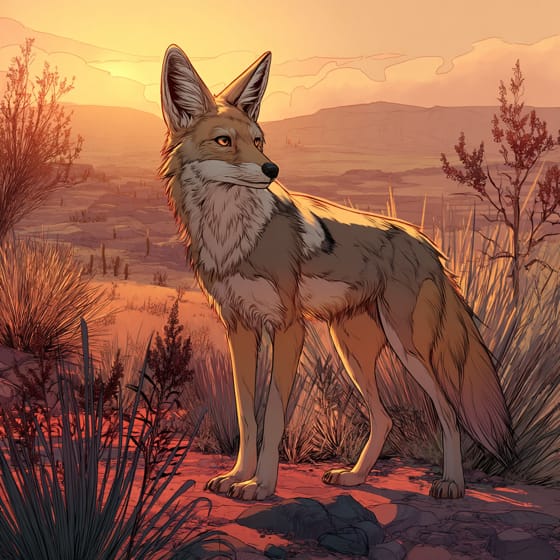
Canis latrans
Coyotes dig up moles when they hunt.
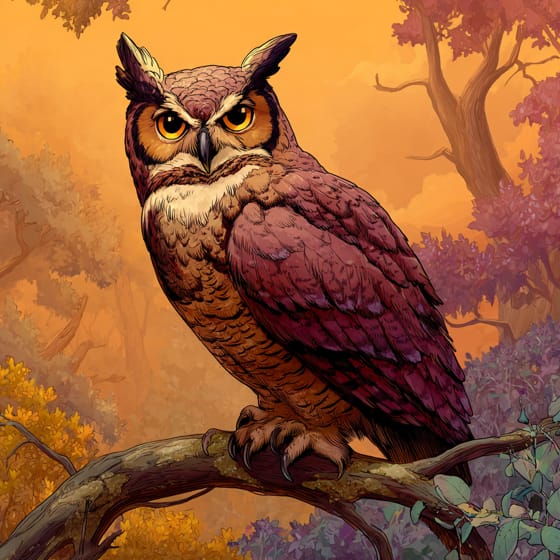
Bubo virginianus
Owls catch moles that venture above ground.
Lumbricus terrestris
Coast Moles feast on these wiggly treats.
Furry describes animals possessing a dense covering of soft hair or fur.
Solitary animals live alone for most of their lives, only interacting with others for mating or parental care.
Burrowing animals dig tunnels and chambers in the ground, using these subterranean structures for shelter, hunting, or breeding.
This trait identifies organisms whose diet primarily consists of insects and other small invertebrates.

Describes organisms that break down dead organic material, recycling nutrients back into the ecosystem.

Coastal habitats are dynamic environments located along the interface between land and sea, influenced by tides, waves, and saltwater.

This trait identifies organisms that exhibit exceptional swiftness in movement for hunting, escape, or travel.
No aliases listed yet.
Danger
1/5 · Very low
If you see a mole, watch it from a distance and don't try to touch it.
The easiest way to identify Coast Mole is to use the Snappit nature identifier app.
12-16 cm
0.06-0.1 kg
3-6 years
3 km/h
They primarily munch on yummy worms and insects found hiding underground!
Coastal areas
Foraging
Zoom in to split clusters and explore where this object has been snapped.
Recent snaps will appear here as new observations are added.
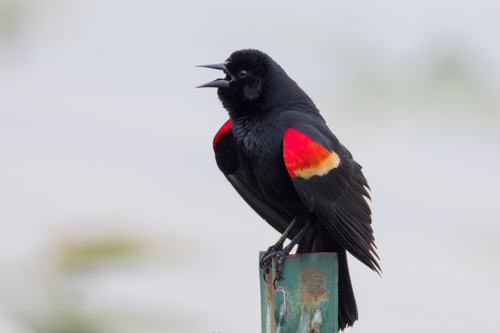
British Columbia, CA
You might spot Red-Winged Blackbird, Tree Swallow, and Great Blue Heron.
View guide →
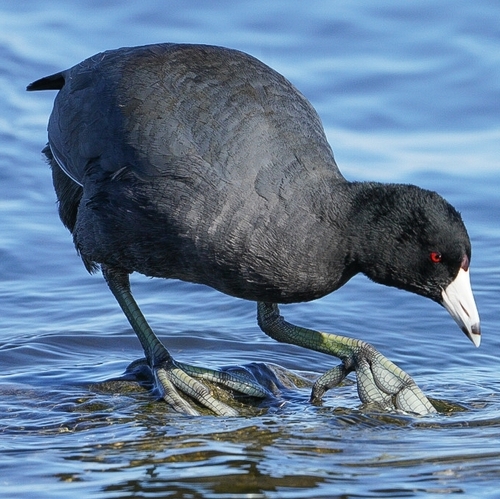
British Columbia, CA
You might spot American Coot, Duck, and Canada Goose.
View guide →

British Columbia, CA
You might spot Western Skunk Cabbage, Devil's Club, and Pacific Ninebark.
View guide →
Take the discovery with you
Snap it with Snappit to identify it, learn what makes it special, and add the discovery to your collection.




.jpg&width=800)



.JPG&width=800)


.jpg&width=800)
