





South American Coati
Nasua nasua
South American Coatis are playful animals that love to explore! They have long tails and a curious nature, often seen climbing trees and searching for food.
Habitat: Forests
The South American Coati has a slender body covered in reddish-brown to dark brown fur, often with lighter undersides. Its most distinctive features are a long, flexible, upturned snout and a bushy tail banded with light and dark rings. Small, rounded ears peek out from its head.
Category
MammalsRarity
Common
Danger
2/5 · Low
Snaps
Be the first to snap!
A coati's bushy tail, nearly body-length, is often held high like a flag!
Coatis use their extra-long, flexible snout to poke into crevices for yummy bugs!
Female coatis live in large 'bands', while males live alone!
They are fantastic sunbathers, sometimes sprawling out on tree branches to catch rays!
South American Coati can swivel its long, flexible snout to sniff out and dig up hidden prey underground, helping them find food.
South American Coati can use their strong, semi-retractile claws and flexible front paws to manipulate objects, helping them forage.
South American Coati has ankles that rotate 180 degrees, letting them climb down trees head-first with incredible agility.
Coatis eat a mix of insects, fruits, and small animals found by their amazing sense of smell.
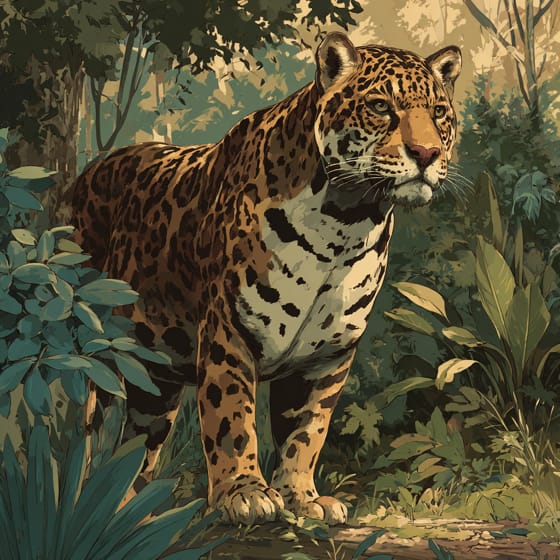
Panthera onca
A primary predator of coatis in their range.
Puma concolor
Coatis are prey for pumas, especially juveniles.
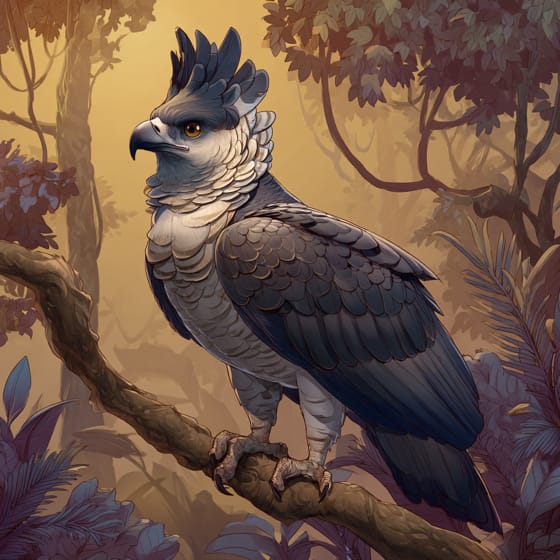
Harpia harpyja
Harpy eagles are powerful avian predators that hunt coatis.
Furry describes animals possessing a dense covering of soft hair or fur.
Social animals live in organized groups, cooperating for survival benefits such as foraging, defense, and raising offspring.
This trait identifies organisms whose diet includes both plant and animal matter.
Arboreal animals live primarily in trees, utilizing them for shelter, food, and protection from predators.

Forest habitats are terrestrial environments dominated by dense tree cover, supporting a high diversity of plant and animal life.
Danger
2/5 · Low
Watch from a distance and don't try to touch them, as they can be wild.
The easiest way to identify South American Coati is to use the Snappit nature identifier app.
80-130 cm
2-8 kg
7-8 years
25 km/h
Coatis eat a mix of insects, fruits, and small animals found by their amazing sense of smell.
Forests
Foraging
Zoom in to split clusters and explore where this object has been snapped.
Recent snaps will appear here as new observations are added.
Take the discovery with you
Snap it with Snappit to identify it, learn what makes it special, and add the discovery to your collection.




.jpg&width=800)


.JPG&width=800)



.jpg&width=800)
