





southern dewberry
Rubus trivialis
The southern dewberry is a sweet, juicy berry that grows close to the ground. Kids love to pick these little berries in the wild and enjoy their yummy taste during summer!
Habitat: Grasslands
The southern dewberry is a low-growing, trailing vine with slender, thorny stems and glossy green leaves. Its delicate white flowers bloom in spring, maturing into clusters of dark, juicy purple-black berries that resemble small blackberries.
Category
PlantsRarity
Common
Danger
1/5 · Very low
Snaps
5
Did you know their name 'dewberry' might come from morning dew clinging to the berries?
Southern dewberries are often among the first wild berries to ripen in spring!
This plant is part of the amazing rose family, just like many flowers!
You can turn these sweet, tart berries into delicious pies, jams, and jellies!
Southern dewberry has long, thorny stems that trail along the ground, helping it cover large areas and outcompete other plants.
Sharp, hooked thorns on its stems help southern dewberry defend against hungry herbivores and climb over obstacles.
Southern dewberry ripens its sweet, juicy berries earlier than many other brambles, attracting hungry animals first.
Apis mellifera
Helps transfer pollen between its flowers.
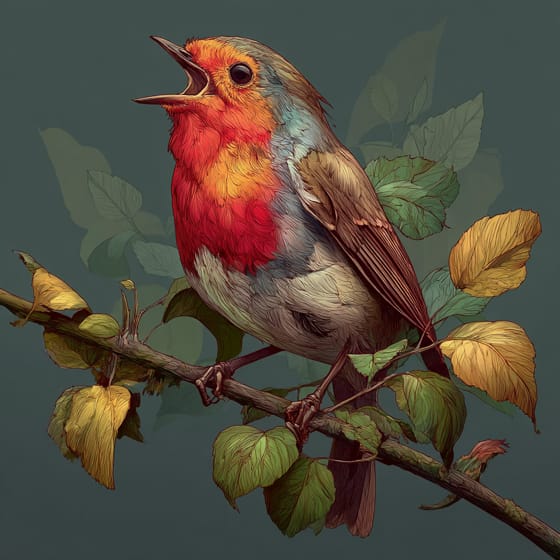
Turdus migratorius
Enjoys eating the sweet, ripe dewberries.

Odocoileus virginianus
Browses on its leaves and tender young stems.
Didelphis virginiana
Consumes its ripe berries and sometimes foliage.
Flowering plants are any plants that produce flowers as part of their reproductive cycle.
A shrub is a woody plant smaller than a tree, typically with multiple stems branching from or near the ground.
Summer blooming plants produce their flowers during the summer season, often providing vibrant color when many other plants have finished.
Fruit-bearing plants produce fruits, which are the mature ovaries of flowering plants containing seeds.

Edible plants are those parts of a plant that are considered safe for human consumption.

Grassland habitats are terrestrial biomes dominated by grasses and herbaceous plants, supporting a variety of grazing animals.

Possessing sharp, pointed projections or spines on the body or surface.
No aliases listed yet.
Danger
1/5 · Very low
Always check with an adult before picking and eating wild berries.
The easiest way to identify southern dewberry is to use the Snappit nature identifier app.
15-60 cm
100-300 cm
1-2 cm
Early Spring - Early Summer
Yes
None
Perennial
Zoom in to split clusters and explore where this object has been snapped.

Alabama, US
You might spot American Beautyberry, White-Tailed Deer, and Peppervine.
View guide →

South Carolina, US
You might spot Great Blue Heron, Spanish Moss, and Cahaba Lily.
View guide →

Alabama, US
You might spot Anole, Bee, and Bristle Thistle.
View guide →

Alabama, US
You might spot Anole, Eastern Box Turtle, and Resurrection Fern.
View guide →

Alabama, US
You might spot Anole, Bee, and Bristle Thistle.
View guide →

Georgia, US
You might spot Eastern Gray Squirrel, Domestic Cat, and American Robin.
View guide →
Take the discovery with you
Snap it with Snappit to identify it, learn what makes it special, and add the discovery to your collection.








.jpg&width=800)



_001.jpg&width=800)



