





Rose Spirea
Spiraea douglasii
The Rose Spirea is a lovely shrub that blooms with pink flowers in the summer. It grows in many places and is great for attracting butterflies and bees!
Habitat: Wetlands
The Rose Spirea has dense clusters of small, fuzzy, rose-pink to purple flowers that form cone-shaped towers at the ends of its woody stems. Its oval, serrated leaves are a vibrant green, often turning yellow or orange in autumn. The striking flower clusters make it visually distinct from many other green shrubs.
Category
PlantsRarity
Common
Danger
1/5 · Very low
Snaps
3
Its roots are like super glue, holding riverbanks together to prevent floods!
Its tiny flowers grow in fuzzy, pyramid-shaped clusters, making the plant look like it's covered in pink clouds!
Some people used its strong, flexible branches to make baskets long ago!
This tough plant can grow new plants from its branches if they touch soil, helping it spread quickly!
Rose Spirea has a strong, spreading root system that helps it hold soil firmly, preventing erosion along waterways.
Rose Spirea can produce abundant, nectar-rich flowers that attract many different bees and butterflies to help it reproduce.
Rose Spirea has special adaptations allowing it to thrive in damp, soggy soils where many other plants would struggle.
Bombus bifarius
Collects nectar and pollen.
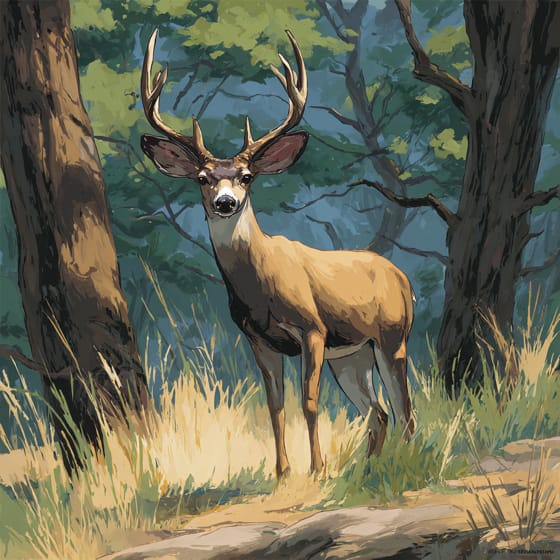
Odocoileus hemionus
Browses on leaves and twigs.
Euphydryas chalcedona
Larvae feed on its leaves.
Apis mellifera
Gathers nectar and pollen.
Deciduous plants periodically shed all their leaves, typically during autumn or dry seasons.
Flowering plants are any plants that produce flowers as part of their reproductive cycle.
A shrub is a woody plant smaller than a tree, typically with multiple stems branching from or near the ground.
Summer blooming plants produce their flowers during the summer season, often providing vibrant color when many other plants have finished.

Fragrant flowers emit a pleasant aroma, often to attract pollinators or for defense.

Fall color refers to the seasonal change in foliage pigmentation, primarily in deciduous plants, displaying vibrant hues.

Describes plants that are particularly attractive and beneficial to a wide range of pollinating organisms.

This habitat trait identifies species found in wetlands, which are areas of land saturated with water, either permanently or seasonally, including marshes, swamps, and bogs.
No aliases listed yet.
Danger
1/5 · Very low
Always stay on paths when exploring plants, and don't touch without asking an adult.
The easiest way to identify Rose Spirea is to use the Snappit nature identifier app.
120-180 cm
120-180 cm
0.5-1 cm
Summer
No
None
Perennial
Zoom in to split clusters and explore where this object has been snapped.

Oregon, US
You might spot Duck, Pacific Trillium, and Wood Duck.
View guide →

Washington, US
You might spot Duck, Western Sword Fern, and Rock Pigeon.
View guide →

California, US
You might spot Snowplant and Pretty Jacob's-Ladder.
View guide →
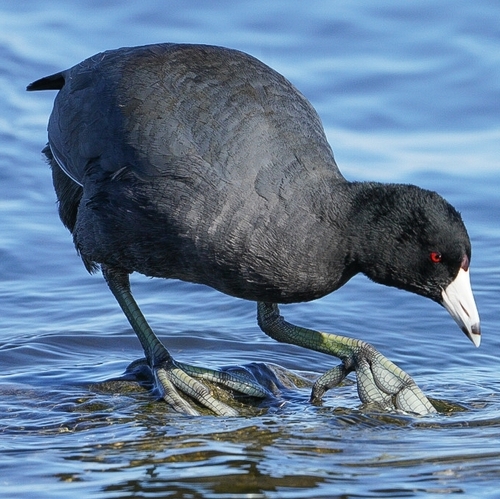
British Columbia, CA
You might spot American Coot, Duck, and Canada Goose.
View guide →

British Columbia, CA
You might spot Bald Eagle, Ghost Pipe, and Salmonberry.
View guide →

Washington, US
You might spot Western Yellow Pond-Lily, Rose Spirea, and Fireweed.
View guide →
Take the discovery with you
Snap it with Snappit to identify it, learn what makes it special, and add the discovery to your collection.







.jpg&width=800)


_001.jpg&width=800)




