





sparkleberry
Vaccinium arboreum
Sparkleberry is a lovely shrub that produces small, sweet berries. These berries are a favorite treat for birds and other animals, making it a fun plant to spot in nature!
Habitat: Forests
The sparkleberry is a shrub or small tree with glossy, dark green leaves that can turn bronze in fall. It produces small, white, bell-shaped flowers, followed by tiny, shiny, dark purple to black berries that often persist into winter. Its bark can be flaky or deeply furrowed.
Category
PlantsRarity
Common
Danger
1/5 · Very low
Snaps
5
Its flowers hang like tiny white bells, ringing a silent welcome to hungry bees!
Its scientific name, 'arboreum', means 'tree-like', even though it's often a big bush!
Sparkleberry bark can twist and spiral as it grows older, making each plant unique!
The berries are often called 'tree huckleberry' and taste sweeter after a winter frost!
Sparkleberry has strong, deep roots that help it find water and nutrients in dry, sandy soils where others struggle.
Sparkleberry berries often stay on the plant through winter, providing a vital food source for animals when food is scarce.
Sparkleberry can grow tall, reaching towards sunlight in open woodlands, helping it compete with other trees.
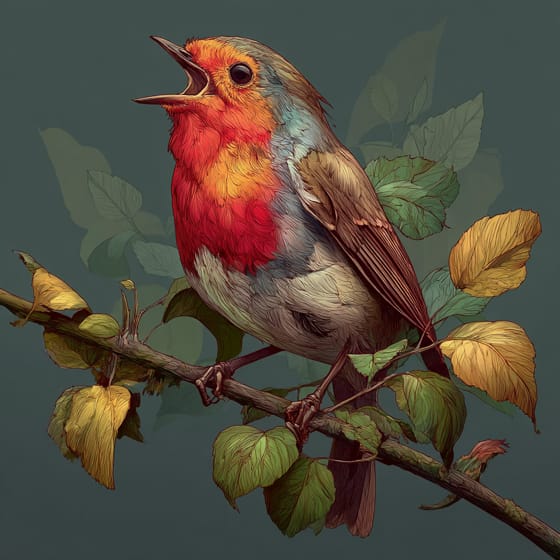
Turdus migratorius
eats its juicy berries
Apis mellifera
visits its small white flowers

Odocoileus virginianus
browses its leaves and twigs
Deciduous plants periodically shed all their leaves, typically during autumn or dry seasons.
A shrub is a woody plant smaller than a tree, typically with multiple stems branching from or near the ground.
Fruit-bearing plants produce fruits, which are the mature ovaries of flowering plants containing seeds.
Colorful describes organisms or objects displaying a wide range of bright and distinct colors.

Edible plants are those parts of a plant that are considered safe for human consumption.

Fall color refers to the seasonal change in foliage pigmentation, primarily in deciduous plants, displaying vibrant hues.

Describes plants that are particularly attractive and beneficial to a wide range of pollinating organisms.

Forest habitats are terrestrial environments dominated by dense tree cover, supporting a high diversity of plant and animal life.
No aliases listed yet.
Danger
1/5 · Very low
Always check with an adult before picking any berries, as some can be harmful.
The easiest way to identify sparkleberry is to use the Snappit nature identifier app.
300-900 cm
200-500 cm
0.4-0.6 cm
Spring to early summer (April-June)
Yes
None
Perennial
Zoom in to split clusters and explore where this object has been snapped.

South Carolina, US
You might spot Northern Mockingbird, Yaupon Holly, and Heavenly Bamboo.
View guide →

Florida, US
You might spot Resurrection Fern and Evans' Deer Moss.
View guide →

Georgia, US
You might spot Striped Wintergreen, Devil's Dipstick, and Golden Reishi.
View guide →

Georgia, US
You might spot Broad-Winged Hawk and Common Buckeye.
View guide →

Georgia, US
You might spot Tiny Bluet, Mountain Laurel, and Eastern Box Turtle.
View guide →

Georgia, US
You might spot Elf Orpine, Dimpled Trout Lily, and Porter's Sunflower.
View guide →
Take the discovery with you
Snap it with Snappit to identify it, learn what makes it special, and add the discovery to your collection.







.jpg&width=800)



_001.jpg&width=800)



