





Speckled Bush-cricket
Leptophyes punctatissima
The Speckled Bush-cricket is a small green insect that loves to hide in bushes and tall grass. It has tiny speckles on its body that help it blend in with leaves and flowers.
Habitat: Grasslands
The Speckled Bush-cricket is typically bright green with tiny reddish-brown or black spots covering its body. It has incredibly long, slender antennae, often much longer than its body, and very short, vestigial wings that are not used for flight.
Category
InsectsRarity
Common
Danger
1/5 · Very low
Snaps
Be the first to snap!
Female bush-crickets use a sword-like part called an ovipositor to lay eggs safely inside plant stems.
If they lose a leg or antenna, they can often grow it back during their next molt!
Instead of loud chirps, they make a very soft, high-pitched 'tsip-tsip' sound by rubbing their tiny wings.
They have super long antennae, often three times their body length, to help them feel their way around!
Speckled Bush-cricket has a bright green body with tiny spots that helps them blend perfectly with leaves and stems, making them almost invisible to predators.
Speckled Bush-cricket can leap great distances using its powerful back legs, which helps them escape danger quickly.
Speckled Bush-cricket has special 'ears' on its front legs that help them sense tiny ground vibrations, allowing them to detect nearby threats.
Omnivorous, munching on leaves, flowers, and tiny insects like aphids.
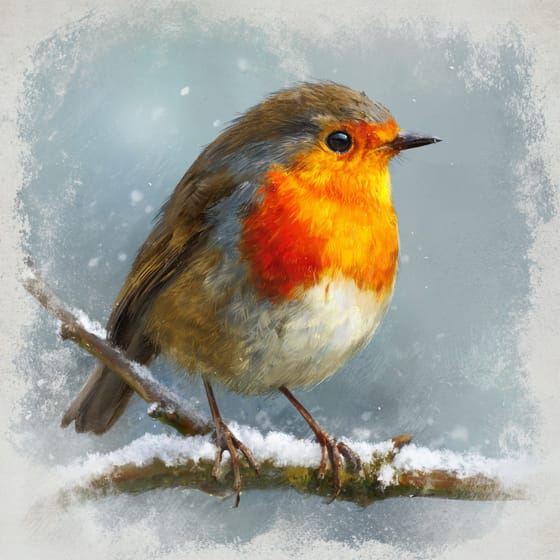
Erithacus rubecula
A common bird that hunts insects.
Araneus diadematus
Catches insects in its sticky web.
Rubus fruticosus
Feeds on the leaves and flowers.
Aphis fabae
Preys on small, soft-bodied insects.
Marked with spots or patches of a different color.
Solitary animals live alone for most of their lives, only interacting with others for mating or parental care.
Singing animals produce complex vocalizations, often for purposes of attracting mates, defending territory, or communicating within their species.
Camouflaged describes organisms that possess coloring or patterns that allow them to blend into their environment.

Grassland habitats are terrestrial biomes dominated by grasses and herbaceous plants, supporting a variety of grazing animals.

This trait characterizes organisms whose diet consists entirely or primarily of plant material.

Nocturnal animals are primarily active during the nighttime hours, typically resting or sleeping during the day.
No aliases listed yet.
Danger
1/5 · Very low
It's safe to watch these crickets, but try not to touch them as they can be delicate.
The easiest way to identify Speckled Bush-cricket is to use the Snappit nature identifier app.
10-15 mm
60-120 days
Omnivorous, munching on leaves, flowers, and tiny insects like aphids.
Grasslands
Foraging
6
Zoom in to split clusters and explore where this object has been snapped.
Recent snaps will appear here as new observations are added.
Take the discovery with you
Snap it with Snappit to identify it, learn what makes it special, and add the discovery to your collection.







.jpg&width=800)




