





Spiny Phlox
phlox hoodii
The Spiny Phlox is a beautiful flowering plant that loves to grow in rocky places! Its colorful blooms attract butterflies and other friendly insects.
Habitat: Spiny Phlox lives in dry, rocky areas, often found in sandy soils and open grasslands.
The Spiny Phlox is a low-growing, mat-forming plant with stiff, needle-like leaves, often tipped with a tiny spine. It produces clusters of small, five-petaled flowers, typically in shades of white, pink, lavender, or light blue, creating a vibrant cushion of color.
Category
PlantsRarity
Common
Danger
0/5 · No known danger
Snaps
1
Its scientific name, 'hoodii', honors a brave explorer of North America.
Many small insects find shelter from predators by hiding within its dense, cushiony growth.
Spiny Phlox often blooms in cool mountain areas right after the snow melts!
This tiny plant can create a huge, colorful carpet across vast landscapes!
Spiny Phlox has stiff, needle-like leaves that help it deter hungry animals and reduce water loss in dry places.
Spiny Phlox can grow in dense, mat-like cushions that help trap moisture and protect its roots from harsh winds.
Spiny Phlox has deep roots and small, tough leaves that help it survive in very dry, rocky environments.
Bombus bifarius
Visits flowers for nectar and pollen.
_Pieris_napi_napi_-_Foret_de_Bouconne%2C_France_-_female.jpg&width=800)
Pieris napi
Butterfly drinks nectar from blossoms.
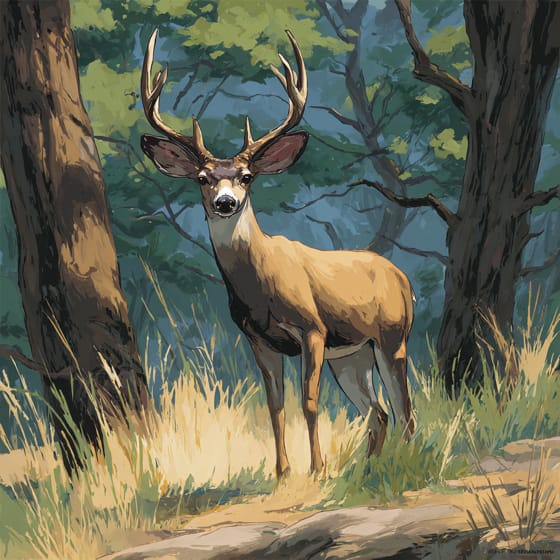
Odocoileus hemionus
Grazes on young shoots and flowers.
Microtus montanus
Feeds on leaves and stems.
Solitary animals live alone for most of their lives, only interacting with others for mating or parental care.
Colorful describes organisms or objects displaying a wide range of bright and distinct colors.
Grassland habitats are terrestrial biomes dominated by grasses and herbaceous plants, supporting a variety of grazing animals.
This trait characterizes organisms whose diet consists entirely or primarily of plant material.

Describes organisms that transfer pollen, enabling the fertilization and reproduction of plants.
Danger
0/5 · No known danger
No special safety notes yet.
The easiest way to identify Spiny Phlox is to use the Snappit nature identifier app.
5-15 cm
30-60 cm
1-2 cm
Spring to early Summer (April-July)
No
None
Perennial
Zoom in to split clusters and explore where this object has been snapped.
Take the discovery with you
Snap it with Snappit to identify it, learn what makes it special, and add the discovery to your collection.










.jpg&width=800)



_001.jpg&width=800)




