




Yellow Sweetclover
Melilotus officinalis
Yellow Sweetclover is a tall plant with bright yellow flowers that smell sweet! It grows in fields and meadows, making them look sunny and cheerful.
Habitat: Grasslands
The Yellow Sweetclover is an upright plant with slender, often branching stems. It has small, bright yellow, pea-like flowers tightly clustered in long, narrow spikes at the top of its stalks. Its leaves are trifoliate, meaning they have three leaflets, resembling miniature clovers with finely toothed edges.
Category
PlantsRarity
Common
Danger
1/5 · Very low
Snaps
45
Early pioneers sometimes used its crushed leaves to make soothing poultices for wounds!
It helps farmers break up compacted soil with its super strong, deep roots!
Its pleasant, vanilla-like scent actually becomes stronger as the plant dries!
This plant was once used by people to flavor tobacco and even some types of cheese!
Yellow Sweetclover can pull nitrogen gas from the air and turn it into plant food, making the soil healthier for itself and other plants.
Yellow Sweetclover has a super long taproot that helps it find water deep underground and survive very dry weather.
Yellow Sweetclover produces a sweet-smelling chemical called coumarin, which can help deter some hungry animals from eating too much.
Apis mellifera
collects nectar and pollen
Bombus impatiens
visits flowers for nectar
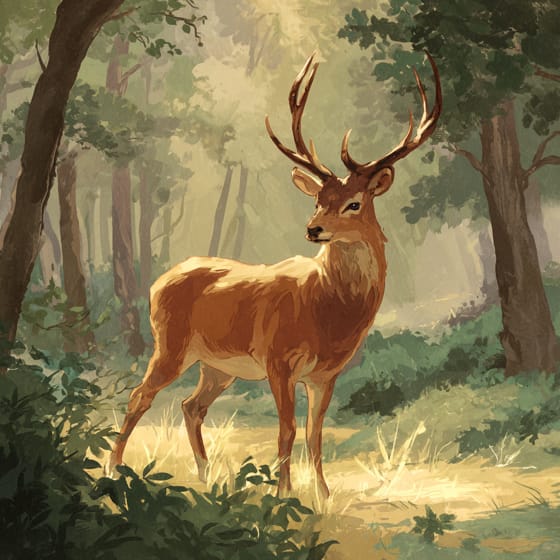
Cervus elaphus
grazes on the foliage
Microtus pennsylvanicus
eats seeds and stems
Aromatic plants produce and emit fragrant volatile organic compounds, often for defense or to attract pollinators.
Flowering plants are any plants that produce flowers as part of their reproductive cycle.
Describes organisms capable of converting atmospheric nitrogen into compounds usable by plants.
Biennial plants complete their life cycle over two growing seasons, typically forming foliage in the first year and flowering/seeding in the second.

Fragrant flowers emit a pleasant aroma, often to attract pollinators or for defense.

Edible plants are those parts of a plant that are considered safe for human consumption.

Grassland habitats are terrestrial biomes dominated by grasses and herbaceous plants, supporting a variety of grazing animals.

Describes plants that are particularly attractive and beneficial to a wide range of pollinating organisms.
No aliases listed yet.
Danger
1/5 · Very low
Always check with an adult before touching or picking plants.
The easiest way to identify Yellow Sweetclover is to use the Snappit nature identifier app.
50-150 cm
30-60 cm
0.3-0.5 cm
Late spring to fall
No
Mild
Biennial
Zoom in to split clusters and explore where this object has been snapped.

Ohio, US
You might spot Large White Trillium, Fire Pink, and Christmas Fern.
View guide →

Wisconsin, US
You might spot Turkey, White-Tailed Deer, and Dame's Rocket.
View guide →

New York, US
You might spot American Robin, Pond Slider, and Northern Cardinal.
View guide →

Arkansas, US
You might spot Widow's-Cross, Yucca Giant-Skipper, and Outis Skipper.
View guide →

Maryland, US
You might spot American Cancer-Root and Rue Anemone.
View guide →

New Mexico, US
You might spot Pronghorn, Great-Tailed Grackle, and Redstem Stork's-Bill.
View guide →
Take the discovery with you
Snap it with Snappit to identify it, learn what makes it special, and add the discovery to your collection.








.jpg&width=800)


_001.jpg&width=800)



