American Robin

Rising majestically 800 feet above the North Platte River, Scotts Bluff National Monument in western Nebraska is a breathtaking natural landmark steeped in history and natural beauty.
Rising majestically 800 feet above the North Platte River, Scotts Bluff National Monument in western Nebraska is a breathtaking natural landmark steeped in history and natural beauty. This significant geological formation, encompassing over 3,000 acres, served as an essential beacon for Native Americans, fur traders, and hundreds of thousands of westward emigrants on the Oregon, California, and Mormon Trails. Its towering presence offered a welcome visual reprieve from the flat plains, guiding pioneers on their arduous journeys and leaving an indelible mark on American history.
Beyond its historical significance, Scotts Bluff boasts a diverse ecosystem of mixed-grass prairie, rugged badlands, towering bluffs, and riparian areas along the North Platte River. Visitors can explore various habitats, home to a rich array of wildlife and plant species. Keep an eye out for Mule Deer and Eastern Cottontails often seen near the visitor center, and if you're lucky, you might spot a Black-tailed Prairie Dog or even a Prairie Rattlesnake. The landscape is dotted with Great Plains yucca, Plains Pricklypear, and the robust Rocky Mountains Ponderosa Pine and Rocky Mountain Juniper, adding to the scenic grandeur.
Scotts Bluff National Monument offers an engaging blend of outdoor adventure and historical immersion, making it a truly memorable destination. Whether you're driving the scenic Summit Road, hiking the historic trails, or delving into the stories of pioneers at the Visitor Center, the monument provides a unique opportunity to connect with the past and appreciate the natural wonders of the High Plains. It's a place where the echoes of history meet the serenity of nature, inviting all to explore its trails, admire its panoramic views, and discover the resilience of both land and spirit. Wondering what that bird or insect is? Find out on your visit using the Snappit nature app.
Scotts Bluff's story begins long before European-American settlement, serving as a significant landmark for Native American tribes. The bluff was first charted in 1812 by the Astorian Expedition of fur traders. It gained immense prominence in the 19th century as a critical navigational point for over 250,000 westward emigrants traversing the Oregon, California, and Mormon Trails between 1843 and 1869. Many pioneers chronicled its grandeur in their diaries, making it the second-most referred to landmark on the Emigrant Trails. The monument itself is named after Hiram Scott, a clerk for the Rocky Mountain Fur Company, who tragically died near the bluff in 1828. Recognizing its immense historical and natural value, Scotts Bluff and several nearby bluffs were designated a National Monument on December 12, 1919, by Presidential Proclamation, and placed under the management of the National Park Service. During the 1930s, significant development, including the construction of the Summit Road and Saddle Rock Trail, was undertaken by the Civilian Conservation Corps (CCC). The Oregon Trail Museum and Visitor Center, built at the base of the bluff, houses exhibits focusing on westward expansion, pioneer life, and the geology of the region, alongside the world's largest collection of artworks by William Henry Jackson, a famous western artist and photographer who documented the trails.
Drive the Summit Road for expansive views of the North Platte River Valley and, on clear days, Chimney Rock and Laramie Peak.
Hike the Saddle Rock Trail from the Visitor Center to the summit for a challenging ascent and rewarding vistas.
Walk the Oregon Trail Pathway, featuring covered wagon replicas, to experience a segment of the historic route.
Explore the Visitor Center exhibits and William Henry Jackson's art.
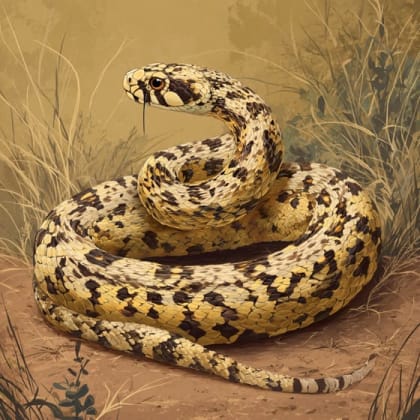
Look for local wildlife such as Mule Deer, Eastern Cottontails, and various bird species like Lark Sparrows and Western Kingbirds. In the mixed-grass prairie, you might spot a Black-tailed Prairie Dog or even a Gopher Snake.
Observe diverse plant life, including Great Plains yucca, Plains Pricklypear, Winterfat, and Rocky Mountain Juniper.
Summer: Can be hot. Ranger programs are typically offered from Memorial Day through mid-August. The Summit Road has extended hours.
Late Winter/Early Spring: Be prepared for strong winds, extreme cold, and potential blizzards. Trails may be icy. Summit Road closures can occur due to snow, ice, or rockfalls.
Spring/Fall: Milder weather, great for hiking and wildlife viewing.
The Visitor Center features accessible parking spaces, a manual double-door entrance, a lowered interaction space at the front desk, and accessible restrooms. Movable chairs in the film theater provide space for wheelchairs, and the park film is open-captioned.
A wheelchair and walker are available for use in the visitor center and on paved trails.
The first 700 yards of the paved Saddle Rock Trail are wheelchair accessible, crossing prairie grasslands to a juniper ravine. Beyond this, the trail becomes steep.
Two accessible parking spaces are located at the summit, with paved trails leading to the South Overlook (approx. 300 yards) and North Overlook (access via a 16% uphill path for about 60 yards, leading to a level looping trail).
The monument's official brochure is available in text-only, audio-described, and Braille formats.
A 1.6-mile scenic drive to the top, featuring three tunnels and panoramic views. (Note: Vehicles taller than 11 feet 7 inches or longer than 25 feet, or those towing trailers, are not permitted due to tunnels and sharp curves.)
Interactive exhibits on Native Americans, fur traders, and emigrants, plus the world's largest collection of William Henry Jackson's artwork.
Nearly 4 miles of trails, including portions of the original Oregon Trail.
Each card links to a full Explore page with photos, traits, and fun facts.
Start with the big picture, then zoom in to explore individual wildlife observations around this place.
Start at the Visitor Center
Begin your visit at the Visitor Center to gain historical context, view exhibits, and pick up maps and information.
Drive the Summit Road early or late
To avoid potential crowds and capture stunning photographs, consider driving the Summit Road early in the morning or later in the afternoon.
Wear appropriate footwear
If hiking, wear sturdy shoes suitable for uneven terrain, as some trails can be steep and rocky.
Bring water and sun protection
Especially during warmer months, carry plenty of water and wear sunscreen and a hat, as shade can be limited on trails and at the summit.
Be aware of wildlife
While exciting to see, maintain a safe distance from all wildlife, especially Prairie Rattlesnakes. Stay on marked trails.
Check road conditions
The Summit Road can close due to weather or rockfalls, so check current conditions before your visit, especially during winter or early spring.
Jul 6, 2024
Apr 26, 2024
Jul 8, 2023
May 10, 2023
Apr 8, 2023

Maryland, US
You might spot White-Tailed Deer and Eastern Gray Squirrel.
View guide →
.jpg)
District of Columbia, US
You might spot Eastern Gray Squirrel, Duck, and House Sparrow.
View guide →

Illinois, US
You might spot American Robin, Canada Goose, and House Sparrow.
View guide →

Virginia, US
You might spot Spotted Lanternfly and Northern Cardinal.
View guide →
Take the discovery with you
Identify the wildlife you spot, learn as you go, and keep a collection of the adventure.