





Spotted Spreadwing
Lestes congener
The Spotted Spreadwing is a beautiful dragonfly with long wings and spots on its body. It loves to flutter around water, where it hunts for tiny insects to eat.
Habitat: Wetlands
The Spotted Spreadwing has a slender body that gleams metallic green or bronze. Its clear wings feature distinctive pale, often bicolored, spots near the tips. Unlike most damselflies, it rests with its wings held slightly open, not pressed together.
Category
InsectsRarity
Common
Danger
1/5 · Very low
Snaps
1
Older damselflies sometimes get a powdery blue or white coating, making them look totally different!
Spotted Spreadwings get their name because they rest with their wings partly open.
Their babies live underwater for almost a year before becoming flying adults!
They use their six spiky legs like a basket to scoop up tiny flying insects in mid-air.
Spotted Spreadwing larvae can breathe and hunt underwater using special feathery gills, helping them survive until they grow wings.
Spotted Spreadwing has special dark wing spots (pterostigmata) that absorb sunlight, helping warm its body so it can fly faster.
The Spotted Spreadwing has lightning-fast reflexes and spiky legs to snatch small flying insects right out of the air for a quick meal.
Tiny flying insects are the favorite meal for the Spotted Spreadwing!
Age differences: Nymphs eat aquatic invertebrates; adults hunt flying insects.
Culex pipiens
Hunts these tiny pests in the air.
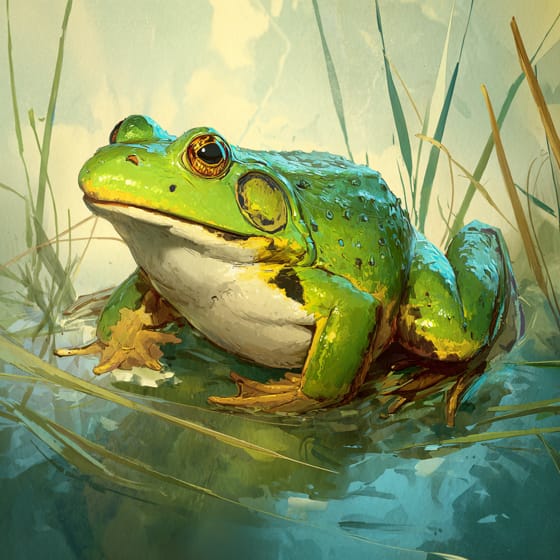
Rana clamitans
A quick snack for hungry frogs near water.
Gambusia affinis
Eats its young (nymphs) living underwater.

Typha latifolia
Resting and hunting perches among its stalks.
Marked with spots or patches of a different color.
Solitary animals live alone for most of their lives, only interacting with others for mating or parental care.
Aerial creatures spend a significant portion of their lives airborne, utilizing flight for various activities such as hunting, migration, or nesting.
Colorful describes organisms or objects displaying a wide range of bright and distinct colors.

This trait identifies organisms whose diet primarily consists of insects and other small invertebrates.

This habitat trait identifies species found in wetlands, which are areas of land saturated with water, either permanently or seasonally, including marshes, swamps, and bogs.

Diurnal animals are primarily active during daylight hours, typically resting or sleeping at night.

Freshwater habitats include non-saline aquatic environments such as rivers, lakes, ponds, and wetlands, vital for numerous species.

This trait identifies organisms that exhibit exceptional swiftness in movement for hunting, escape, or travel.

Describes organisms that transfer pollen, enabling the fertilization and reproduction of plants.
No aliases listed yet.
Danger
1/5 · Very low
Be careful around water where these dragonflies live, and don't try to catch them.
The easiest way to identify Spotted Spreadwing is to use the Snappit nature identifier app.
40-55 mm
30-45 mm
30-60 days
Tiny flying insects are the favorite meal for the Spotted Spreadwing!
Wetlands
Pursuit
6
Zoom in to split clusters and explore where this object has been snapped.
Take the discovery with you
Snap it with Snappit to identify it, learn what makes it special, and add the discovery to your collection.









.jpg&width=800)



