





Cattail
Typha latifolia
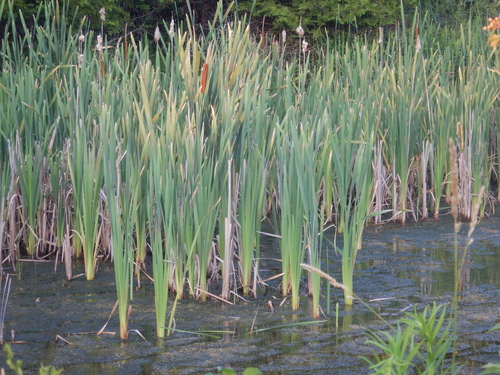
Cattails are tall, slender plants found near water. They have fluffy, brown flower spikes that look like hot dogs. Cattails provide homes for birds and insects and help keep water clean.
Habitat: Wetlands
The Cattail is a tall, reed-like plant featuring long, flat, sword-shaped green leaves. It is easily recognized by its distinctive, brown, sausage-shaped flower and seed head perched atop a sturdy stalk, which gives the plant its name.
Category
PlantsRarity
Common
Danger
1/5 · Very low
Snaps
9
A single cattail head can release over 250,000 tiny, parachute-like seeds into the wind!
All parts of the cattail, from root to flower, are edible at different times of the year!
Ancient people used fluffy cattail seeds to stuff pillows and mattresses for comfort!
Even today, some survivalists know how to use cattails for food, shelter, and fire-starting!
Cattail's roots absorb pollutants from water, cleaning habitats and making them safer for other living things.
Cattail has underground stems called rhizomes that help it spread widely and form dense, thriving colonies.
Cattail has thousands of tiny, fluffy seeds that drift on the wind, helping them travel far to new watery homes.
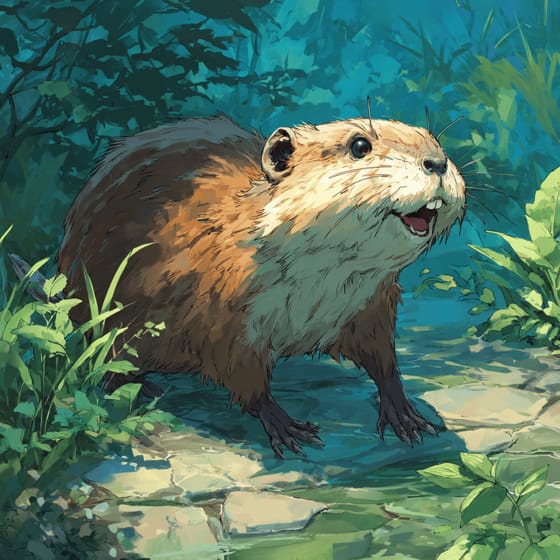
Ondatra zibethicus
Consumes roots, stems, and leaves.
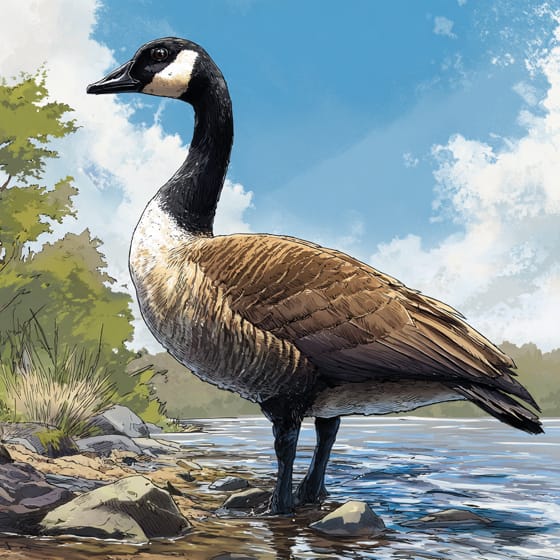
Branta canadensis
Feeds on rhizomes and young shoots.
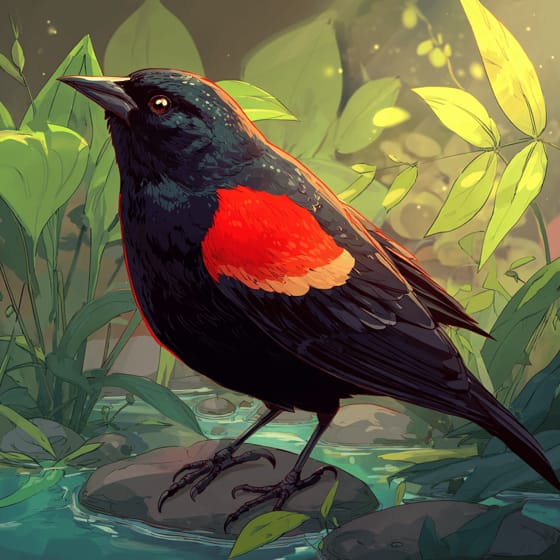
Agelaius phoeniceus
Builds nests within dense cattail stands.
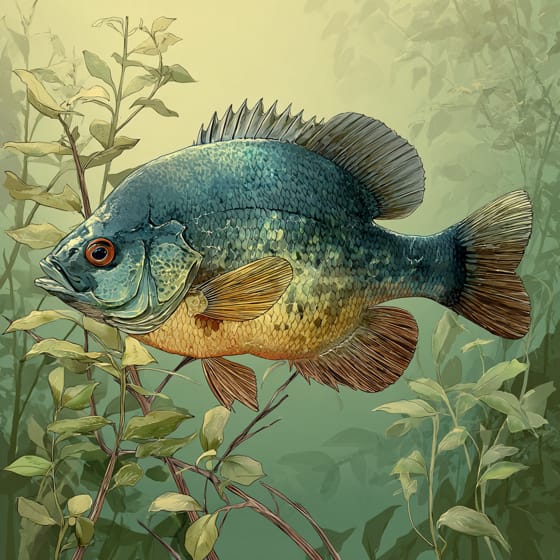
Lepomis macrochirus
Uses dense stands for protection and spawning.
Deciduous plants periodically shed all their leaves, typically during autumn or dry seasons.
Grass-like plants are herbaceous plants that visually resemble true grasses, typically having long, narrow leaves.
Shade tolerant plants are adapted to grow and thrive in areas with low light levels, requiring less direct sunlight.
Broadleaf trees are angiosperms characterized by flat, wide leaves that are typically shed annually in temperate climates.

Medicinal plants possess chemical compounds that can be used for therapeutic purposes to treat illnesses or maintain health.

Edible plants are those parts of a plant that are considered safe for human consumption.

This trait characterizes organisms with an exceptionally long lifespan compared to others of their kind.

This habitat trait identifies species found in wetlands, which are areas of land saturated with water, either permanently or seasonally, including marshes, swamps, and bogs.
Danger
1/5 · Very low
Enjoy cattails from a safe distance and avoid picking them without permission.
The easiest way to identify Cattail is to use the Snappit nature identifier app.
150-300 cm
50-150 cm
10-40 cm
Summer
Yes
None
Perennial
Zoom in to split clusters and explore where this object has been snapped.
Jul 13, 2024
Chenango CanalPhoto attribution
(c) Paul Morris, some rights reserved (CC BY-SA)
License: CC BY-SA 4.0 ↗
Image may be shown cropped inside the card frame.

New Jersey, US
You might spot Garlic Mustard, Sensitive Fern, and Common Mugwort.
View guide →

New York, US
You might spot Common Eastern Bumble Bee and American Robin.
View guide →

New York, US
You might spot American White Waterlily, Buttonbush, and Common Milkweed.
View guide →

Washington, US
You might spot Western Skunk Cabbage, Thimbleberry, and Barred Owl.
View guide →

New York, US
You might spot White-Tailed Deer, Eastern Skunk Cabbage, and Duck.
View guide →

Georgia, US
You might spot Brown Anole, Northern Mockingbird, and Northern Cardinal.
View guide →
Take the discovery with you
Snap it with Snappit to identify it, learn what makes it special, and add the discovery to your collection.








.jpg&width=800)


_001.jpg&width=800)

