.jpg&width=800)





Spring Salamander
gyrinophilus porphyriticus
The Spring Salamander is a colorful little creature that loves to live in cool, damp places! It can often be found hiding under rocks and logs in the forest.
Habitat: They live in moist, cool forests, often near streams and rivers.
The Spring Salamander is typically pinkish, reddish-brown, or orange, often with dark, irregular spots or blotches. It has a robust body and a keeled tail for efficient swimming. Its distinct mottled pattern helps it blend into rocky stream beds, making it unique.
Category
AmphibiansRarity
Common
Danger
0/5 · No known danger
Snaps
1
It can spend up to four years as a larva before changing into an adult!
These salamanders hunt prey underwater by ambushing them with surprising speed!
They are found only in eastern North America, making them truly unique to the region!
They are indicator species, meaning their health tells us about water quality!
Spring Salamanders can regrow lost limbs or tail sections, helping them recover from predator attacks.
Spring Salamanders have mottled skin patterns that help them blend perfectly into rocky, mossy stream beds, hiding from predators.
Young Spring Salamanders breathe using feathery external gills, allowing them to extract oxygen directly from cold, fast-flowing water.
These salamanders are active predators, eating tiny insects and other small creatures found in streams.
Age differences: Larvae eat smaller aquatic invertebrates, while adults consume larger insects, worms, and even other salamanders.
Baetis tricaudatus
Hunts these small aquatic insects.
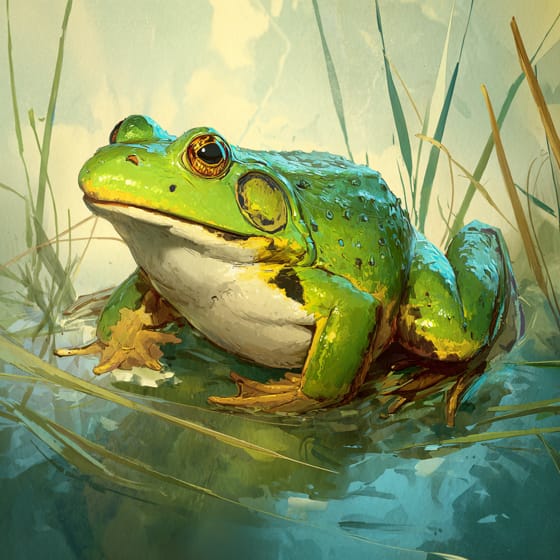
Lithobates clamitans
Eats tadpoles and larvae of this frog.
Thamnophis sirtalis
Sometimes preyed upon by these snakes.
Solitary animals live alone for most of their lives, only interacting with others for mating or parental care.
Colorful describes organisms or objects displaying a wide range of bright and distinct colors.
Forest habitats are terrestrial environments dominated by dense tree cover, supporting a high diversity of plant and animal life.
This trait identifies organisms whose diet consists entirely or primarily of animal tissue.

Nocturnal animals are primarily active during the nighttime hours, typically resting or sleeping during the day.
Danger
0/5 · No known danger
No special safety notes yet.
The easiest way to identify Spring Salamander is to use the Snappit nature identifier app.
10-23 cm
0.01-0.05 kg
5-10 years
0.1 km/h
These salamanders are active predators, eating tiny insects and other small creatures found in streams.
They live in moist, cool forests, often near streams and rivers.
Ambush
Zoom in to split clusters and explore where this object has been snapped.
Take the discovery with you
Snap it with Snappit to identify it, learn what makes it special, and add the discovery to your collection.








.JPG&width=800)




.jpg&width=800)

