





Sri Lanka Weevil
Myllocerus undecimpustulatus
The Sri Lanka Weevil is a small, colorful bug found in Sri Lanka. It has a long snout and loves to munch on plants, making it an important part of nature.
Habitat: Forests
The Sri Lanka Weevil is a small beetle, usually 3-7mm long, with a distinct short, broad snout. It often has a striking metallic greenish-grey or brownish sheen, sometimes with faint darker spots on its wing covers, making it visually distinct from duller weevil species.
Category
InsectsRarity
Common
Danger
1/5 · Very low
Snaps
2
Despite its small size, swarms of these weevils can cause big damage to crops!
If threatened, this tiny weevil can play dead, dropping to the ground and staying perfectly still!
Scientists named this weevil 'undecimpustulatus' because it sometimes has eleven spots!
The Sri Lanka Weevil's 'snout' is actually its mouthparts, used for precision munching!
Sri Lanka Weevil has specialized chewing mouthparts at the end of its rostrum that help them devour plant leaves and shoots.
This weevil is covered in iridescent scales that help it blend perfectly with the foliage of its host plants, hiding from predators.
Sri Lanka Weevil has a tough exoskeleton that provides excellent protection from bumps and many hungry predators.
This little insect loves to munch on the leaves and young shoots of many plants.
Age differences: Larvae feed on plant roots underground, while adults prefer munching on leaves and young shoots above ground.
Mangifera indica
Feeds on leaves
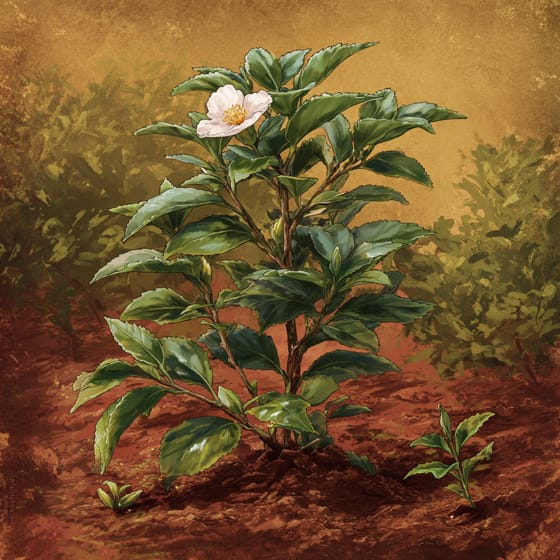
Camellia sinensis
Consumes foliage
Corvus splendens
Crows eat insects
Oecophylla smaragdina
Ants prey on weevils
Solitary animals live alone for most of their lives, only interacting with others for mating or parental care.
Colorful describes organisms or objects displaying a wide range of bright and distinct colors.
This trait characterizes organisms whose diet consists entirely or primarily of plant material.
Describes organisms that break down dead organic material, recycling nutrients back into the ecosystem.

Forest habitats are terrestrial environments dominated by dense tree cover, supporting a high diversity of plant and animal life.

Diurnal animals are primarily active during daylight hours, typically resting or sleeping at night.

Describes organisms that transfer pollen, enabling the fertilization and reproduction of plants.
No aliases listed yet.
Danger
1/5 · Very low
Don't touch bugs without asking an adult first, as some can bite.
The easiest way to identify Sri Lanka Weevil is to use the Snappit nature identifier app.
8-15 mm
3-7 mm
60-150 days
2 km/h
This little insect loves to munch on the leaves and young shoots of many plants.
Forests
Foraging
Zoom in to split clusters and explore where this object has been snapped.

Florida, US
You might spot Cuban Tree Frog, Cane Toad, and Bee.
View guide →

Florida, US
You might spot Duck, Anhinga, and White Ibis.
View guide →
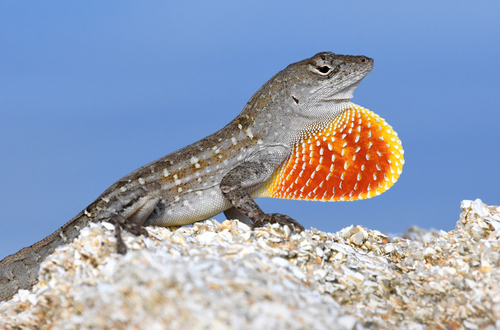
Florida, US
You might spot Brown Anole and Green Treefrog.
View guide →
Take the discovery with you
Snap it with Snappit to identify it, learn what makes it special, and add the discovery to your collection.







.jpg&width=800)


