





Flame Skimmer
Libellula saturata
The Flame Skimmer is a bright orange dragonfly that loves to fly near ponds and lakes. They are fun to watch as they zoom around and can even hover in the air!
Habitat: Wetlands
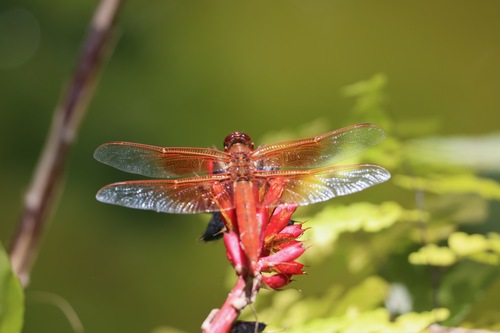
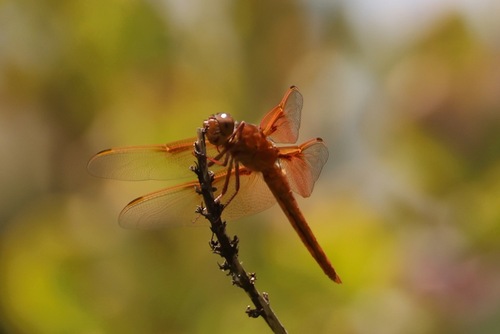
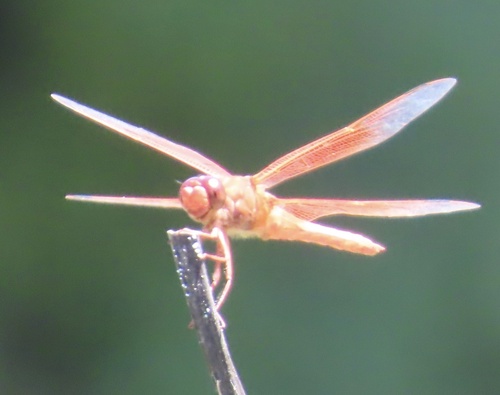
The Flame Skimmer male is strikingly vivid reddish-orange, with matching wing venation that gives it a fiery appearance. Females are duller, yellowish-brown, often sporting amber-tinted wings with dark spots near the tips. This intense fiery red sets the male apart from most other dragonflies.
Category
InsectsRarity
Common
Danger
1/5 · Very low
Snaps
33
Flame Skimmers have 30,000 tiny lenses in their eyes, seeing almost all around them!
Male Flame Skimmers fiercely guard their watery territories from other dragonflies!
Their babies, called nymphs, live underwater for months before transforming into adults!
They are expert sun-bathers, warming up on rocks to get ready for high-speed flight!
Flame Skimmer can snatch flying insects mid-air because of their incredible speed and maneuverability, helping them catch food.
Flame Skimmer has massive compound eyes that wrap around their head, helping them spot prey or predators from almost every angle.
Flame Skimmer can control each of their four wings independently, allowing them to hover, fly backward, and turn instantly.
Tiny flying insects are their favorite snack, caught right out of the air!
Age differences: Nymphs eat aquatic invertebrates, while adults hunt flying insects.
Aedes aegypti
Helps control mosquito populations near water.
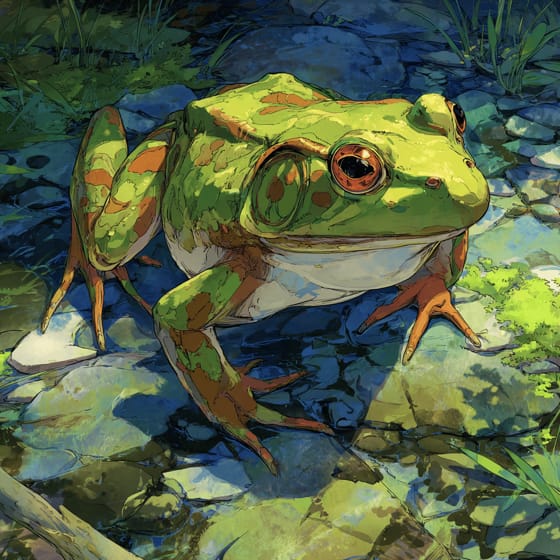
Lithobates catesbeianus
Adults can become a meal for hungry frogs.
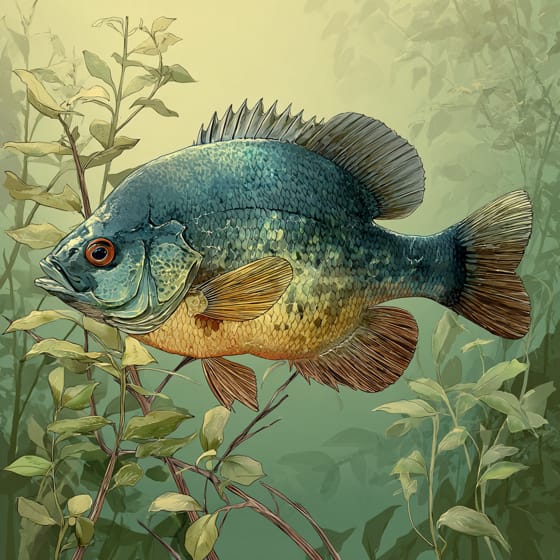
Lepomis macrochirus
Nymphs are a food source for fish in ponds.
Chironomus plumosus
An adult consumes many midges daily.
Solitary animals live alone for most of their lives, only interacting with others for mating or parental care.
Aerial creatures spend a significant portion of their lives airborne, utilizing flight for various activities such as hunting, migration, or nesting.
Colorful describes organisms or objects displaying a wide range of bright and distinct colors.
This trait identifies organisms whose diet primarily consists of insects and other small invertebrates.

This habitat trait identifies species found in wetlands, which are areas of land saturated with water, either permanently or seasonally, including marshes, swamps, and bogs.

Diurnal animals are primarily active during daylight hours, typically resting or sleeping at night.

Freshwater habitats include non-saline aquatic environments such as rivers, lakes, ponds, and wetlands, vital for numerous species.

This trait identifies organisms that exhibit exceptional swiftness in movement for hunting, escape, or travel.

Describes organisms that transfer pollen, enabling the fertilization and reproduction of plants.
Danger
1/5 · Very low
Be careful not to disturb dragonflies when you see them near water.
The easiest way to identify Flame Skimmer is to use the Snappit nature identifier app.
70-100 mm
45-65 mm
30-90 days
35 km/h
Tiny flying insects are their favorite snack, caught right out of the air!
Wetlands
Pursuit
Zoom in to split clusters and explore where this object has been snapped.
Jun 6, 2026
San Diego Botanic GardenPhoto attribution
(c) Rachel Lee Harper, some rights reserved (CC BY)
License: CC BY 4.0 ↗
Image may be shown cropped inside the card frame.
Jun 6, 2026
San Diego Botanic GardenPhoto attribution
(c) Rachel Lee Harper, some rights reserved (CC BY)
License: CC BY 4.0 ↗
Image may be shown cropped inside the card frame.
Jun 6, 2026
Self-Realization Fellowship Encinitas Hermitage and Meditation GardensPhoto attribution
(c) Mark Valen, some rights reserved (CC BY)
License: CC BY 4.0 ↗
Image may be shown cropped inside the card frame.
May 31, 2026
Micke Grove ZooPhoto attribution
(c) tlaloc27, some rights reserved (CC BY)
License: CC BY 4.0 ↗
Image may be shown cropped inside the card frame.

Oregon, US
You might spot Duck, Pacific Trillium, and Wood Duck.
View guide →

Arizona, US
You might spot Northern Cardinal, Engelmann's Hedgehog Cactus, and Queen.
View guide →

California, US
You might spot Western Fence Lizard and Eastern Fox Squirrel.
View guide →
California, US
You might spot Warrior's Plume, Western Leatherwood, and White Globe Lily.
View guide →

New Mexico, US
You might spot White-Winged Dove and Silverleaf Nightshade.
View guide →

New Mexico, US
You might spot Duck, Greater Roadrunner, and American Robin.
View guide →
Take the discovery with you
Snap it with Snappit to identify it, learn what makes it special, and add the discovery to your collection.








.jpg&width=800)



