_on_leaf.jpg&width=800)





Steelblue Lady Beetle
Halmus chalybeus
The Steelblue Lady Beetle is a shiny, blue bug that loves to eat tiny pests like aphids. They are helpful friends in gardens and can be found crawling on leaves, making them fun to spot!
Habitat: Urban areas
The Steelblue Lady Beetle is a small, rounded, and dome-shaped insect with a striking uniform iridescent metallic blue or purplish coloration. Unlike most ladybugs, it lacks spots, making its gleaming, unblemished shell distinct from its red-spotted relatives.
Category
InsectsRarity
Common
Danger
1/5 · Very low
Snaps
1
Baby Steelblue Lady Beetles look like tiny, fuzzy blue alligators!
It was brought to other countries on purpose to protect plants from pests!
Its scientific name, chalybeus, means 'steel-blue' in ancient Greek.
They sometimes play dead when a predator is nearby to escape danger.
Steelblue Lady Beetle can eat many tiny plant pests because this helps them keep plants healthy.
Steelblue Lady Beetle has a smelly yellow fluid that helps them deter predators when scared.
Steelblue Lady Beetle can fly with hidden wings that helps them find new food sources and mates.
These tiny beetles are expert hunters, feasting on small plant-damaging insects!
Age differences: Larvae and adults both actively search for and feed on scale insects.
Coccus viridis
A primary food source
Planococcus citri
Feeds on this common pest
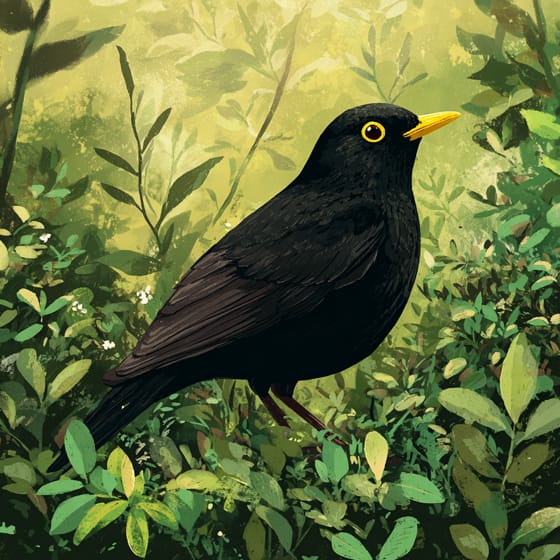
Turdus merula
A general insect predator
Solitary animals live alone for most of their lives, only interacting with others for mating or parental care.
Colorful describes organisms or objects displaying a wide range of bright and distinct colors.
This trait identifies organisms whose diet primarily consists of insects and other small invertebrates.
Describes plants that are particularly attractive and beneficial to a wide range of pollinating organisms.

Diurnal animals are primarily active during daylight hours, typically resting or sleeping at night.

Describes a species whose presence and role have a disproportionately large effect on its environment.

This habitat trait indicates species that can coexist with humans in urban and suburban environments, utilizing man-made structures and green spaces.

Describes organisms that transfer pollen, enabling the fertilization and reproduction of plants.
No aliases listed yet.
Danger
1/5 · Very low
These beetles are safe to watch and won't hurt you. Just enjoy looking at them!
The easiest way to identify Steelblue Lady Beetle is to use the Snappit nature identifier app.
4-8 mm
2-4 mm
30-90 days
2 km/h
These tiny beetles are expert hunters, feasting on small plant-damaging insects!
Urban areas
Foraging
Zoom in to split clusters and explore where this object has been snapped.
Take the discovery with you
Snap it with Snappit to identify it, learn what makes it special, and add the discovery to your collection.









.jpg&width=800)


