





Stone'S Violet
viola stoneana
Stone's Violet is a beautiful purple flower that blooms in spring. It loves sunny spots and can often be found in gardens and along paths!
Habitat: Stone's Violet typically grows in gardens, meadows, and along roadsides.
The Stone'S Violet has deep, velvety violet-blue petals, often with a contrasting white 'eye' or yellow center. Its small, heart-shaped leaves grow close to the ground, forming a low carpet of green beneath the striking blooms.
Category
PlantsRarity
Common
Danger
0/5 · No known danger
Snaps
Be the first to snap!
Despite being small, violets are tough and can even survive a cold winter!
Its tiny seeds come with a yummy 'ant snack' that helps them travel far!
Look closely for secret flowers that never open but still create new seeds!
The heart-shaped leaves capture sunlight like mini solar panels for energy!
Stone'S Violet can share its seeds with ants, which carry them far away to new growing spots!
Stone'S Violet has hidden, self-pollinating flowers that ensure it can always make seeds, even without bees!
Stone'S Violet can form dense mats, helping it compete with weeds and protect the forest soil.
Apis mellifera
collects nectar and pollen, aiding reproduction
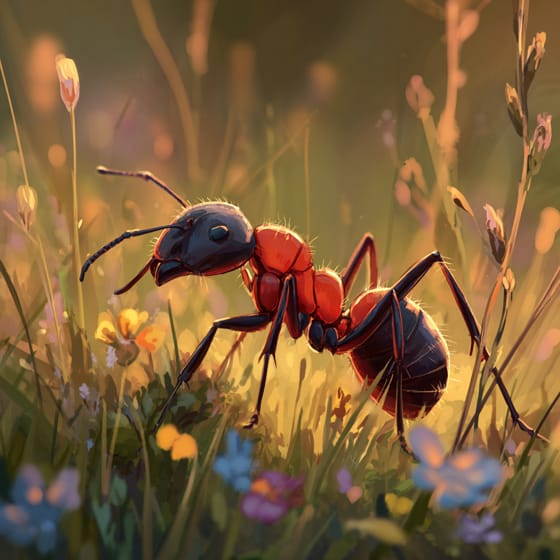
Formica subsericea
disperses seeds in exchange for a nutritious elaiosome
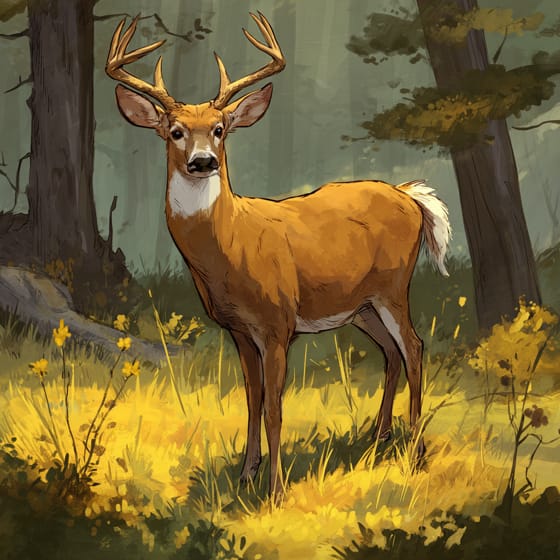
Odocoileus virginianus
browses on leaves and flowers, especially in spring
Colorful describes organisms or objects displaying a wide range of bright and distinct colors.
Grassland habitats are terrestrial biomes dominated by grasses and herbaceous plants, supporting a variety of grazing animals.
This trait characterizes organisms whose diet consists entirely or primarily of plant material.
Forest habitats are terrestrial environments dominated by dense tree cover, supporting a high diversity of plant and animal life.

Describes organisms that transfer pollen, enabling the fertilization and reproduction of plants.
Danger
0/5 · No known danger
No special safety notes yet.
The easiest way to identify Stone'S Violet is to use the Snappit nature identifier app.
5-15 cm
5-10 cm
1-2 cm
Spring
Yes
None
Perennial
Zoom in to split clusters and explore where this object has been snapped.
Recent snaps will appear here as new observations are added.
Take the discovery with you
Snap it with Snappit to identify it, learn what makes it special, and add the discovery to your collection.








.jpg&width=800)



_001.jpg&width=800)




