





silverpuffs
Uropappus lindleyi
Silverpuffs are pretty plants with soft, fluffy flowers that look like little clouds. They grow in sunny places and can make any garden look special and bright!
Habitat: Grasslands
The silverpuffs has fuzzy, silvery-green leaves growing close to the ground. Its slender stems bear small, bright yellow, daisy-like flowers. After blooming, these flowers transform into fluffy, silvery-white seed puffs, resembling tiny cotton balls.
Category
PlantsRarity
Common
Danger
1/5 · Very low
Snaps
Be the first to snap!
If you gently blow on a mature silverpuffs seed head, the tiny seeds float away like magic!
It's like a plant chameleon; its flowers turn into silvery puffs when it's time to spread its seeds!
The scientific name 'Uropappus' means 'tail pappus,' referring to the feathery parachute on its seeds!
Though fuzzy and silvery, the silverpuffs' flowers are a cheerful bright yellow, inviting tiny visitors.
Silverpuffs has tiny, silvery hairs on its leaves that reflect sunlight, helping it stay cool and save water in hot, dry places.
Its seeds are attached to feathery 'parachutes' that catch the wind, allowing them to float far away and grow new plants.
As an annual, silverpuffs can grow from seed to flower to seed very quickly, taking advantage of short rain periods.
Apis mellifera
Visits yellow flowers for nectar and pollen.

Bombus vosnesenskii
Native bee collects pollen from its blooms.
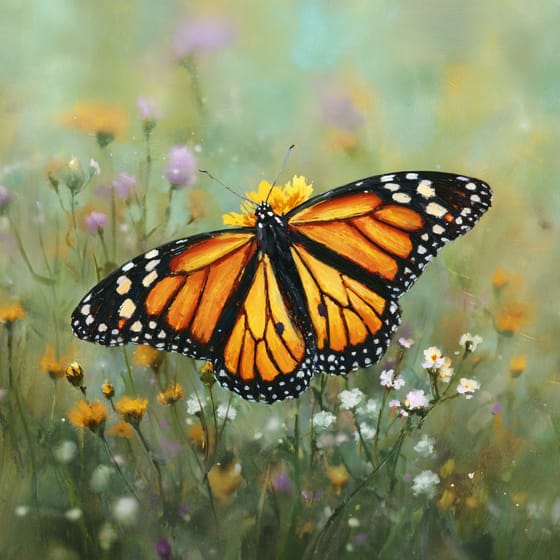
Danaus plexippus
Adult butterflies may sip nectar from its flowers.
Furry describes animals possessing a dense covering of soft hair or fur.
Flowering plants are any plants that produce flowers as part of their reproductive cycle.
Ornamental plants are cultivated primarily for their aesthetic appeal, enhancing landscapes and gardens with their attractive foliage, flowers, or form.
Summer blooming plants produce their flowers during the summer season, often providing vibrant color when many other plants have finished.

Everblooming plants produce flowers continuously or in repeated flushes over a long period.

Grassland habitats are terrestrial biomes dominated by grasses and herbaceous plants, supporting a variety of grazing animals.

Describes plants that are particularly attractive and beneficial to a wide range of pollinating organisms.
No aliases listed yet.
Danger
1/5 · Very low
Always ask an adult before touching or picking any plants.
The easiest way to identify silverpuffs is to use the Snappit nature identifier app.
10-40 cm
15-30 cm
1.5-2.5 cm
Spring to early summer
No
None
Annual
Zoom in to split clusters and explore where this object has been snapped.
Recent snaps will appear here as new observations are added.
Take the discovery with you
Snap it with Snappit to identify it, learn what makes it special, and add the discovery to your collection.









.jpg&width=800)



_001.jpg&width=800)




