.jpg&width=800)





Strawberry Poison Dart Frog
Oophaga pumilio
The Strawberry Poison Dart Frog is a tiny, colorful frog that loves to hop around in the rainforest. Its bright red skin helps it stand out, but it also warns other animals that it is not safe to eat!
Habitat: Rainforests
The Strawberry Poison Dart Frog is famously vibrant, often a brilliant red, but can also display striking orange, yellow, blue, or green colors. Its small body typically has a granular texture and may be adorned with tiny black spots, making it stand out vividly in its rainforest home.
Category
AmphibiansRarity
Common
Danger
3/5 · Moderate
Snaps
Be the first to snap!
Male frogs 'sing' with soft buzzes to attract a mate in the dense forest!
Their bright warning colors are called aposematism by scientists!
They carry each tadpole to its own tiny pool high up in plants!
They never drink water, absorbing it directly through their permeable skin!
Strawberry Poison Dart Frog has toxic skin that helps them deter most predators from trying to eat them.
Strawberry Poison Dart Frog can feed her growing tadpoles unfertilized eggs, ensuring their survival.
Strawberry Poison Dart Frog can carry individual tadpoles on their back to safe, secluded water pools.
These tiny amphibians are insectivores, mainly feasting on small insects and mites they find.
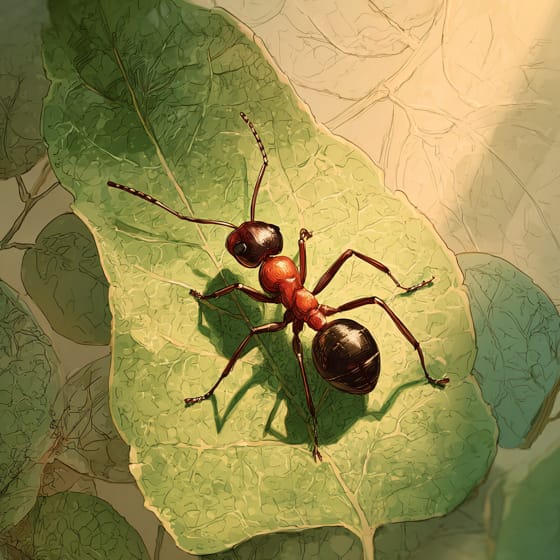
Brachymyrmex heeri
Primary source of alkaloids that make their skin toxic.
Leptodeira annulata
A snake species that sometimes preys on these toxic frogs.
Bromelia pinguin
Utilizes water-filled bromeliad leaf axils for tadpole development.
Solitary animals live alone for most of their lives, only interacting with others for mating or parental care.
Colorful describes organisms or objects displaying a wide range of bright and distinct colors.
This trait identifies organisms whose diet primarily consists of insects and other small invertebrates.
This habitat trait refers to species found in tropical rainforests, characterized by high annual rainfall, high biodiversity, and dense tree cover.

Diurnal animals are primarily active during daylight hours, typically resting or sleeping at night.

Pertaining to species that are significantly smaller than typical or average for their kind.

This trait identifies organisms that exhibit exceptional swiftness in movement for hunting, escape, or travel.

Toxic organisms contain substances that are poisonous and can cause adverse effects upon exposure.

Poisonous organisms produce toxins that can cause harm when ingested, inhaled, or absorbed through contact.

Endangered status indicates a species is at a very high risk of extinction in the wild in the near future.
Danger
3/5 · Moderate
Look but don't touch! These frogs are special and can be harmful if eaten.
The easiest way to identify Strawberry Poison Dart Frog is to use the Snappit nature identifier app.
1.7-2.4 cm
0.001-0.002 kg
5-8 years
0.5 km/h
These tiny amphibians are insectivores, mainly feasting on small insects and mites they find.
Rainforests
Foraging
Zoom in to split clusters and explore where this object has been snapped.
Recent snaps will appear here as new observations are added.
Take the discovery with you
Snap it with Snappit to identify it, learn what makes it special, and add the discovery to your collection.








.JPG&width=800)


.jpg&width=800)

