





Stream Mayflies
Heptageniidae
Stream mayflies are tiny insects that live in clean, fresh water. They have delicate wings and can often be seen dancing above streams on sunny days.
Habitat: Freshwater streams
The Stream Mayflies has flattened, streamlined bodies adapted for fast-flowing water. They typically have two or three long, thread-like tails and prominent plate-like gills along their abdomen. Colors range from dull browns and greens to mottled patterns, helping them blend with riverbeds.
Category
InsectsRarity
Common
Danger
1/5 · Very low
Snaps
Be the first to snap!
Adult mayflies have no functional mouthparts; they don't eat at all!
Mayfly eyes can be huge and divided, letting them see above and below water!
Some adult mayflies have two pairs of wings, but only use the front pair for flight!
They are the only insect group that molts after developing functional wings!
Stream Mayflies can cling tightly to rocks because they have flattened bodies and strong claws that help them resist swift currents.
Stream Mayflies has feather-like gills along their abdomen that helps them extract oxygen directly from the water while submerged.
Stream Mayflies can shed their skin one last time after they grow wings, which helps them become even better, fully mature fliers.
Stream Mayflies can indicate clean water because their delicate nymphs are highly sensitive to pollution, helping them act as natural monitors.
Nymphs graze on tiny plants and decaying bits, while adults astonishingly do not eat at all!
Age differences: Nymphs are active feeders, but adults have non-functional mouths and do not eat during their short lives.
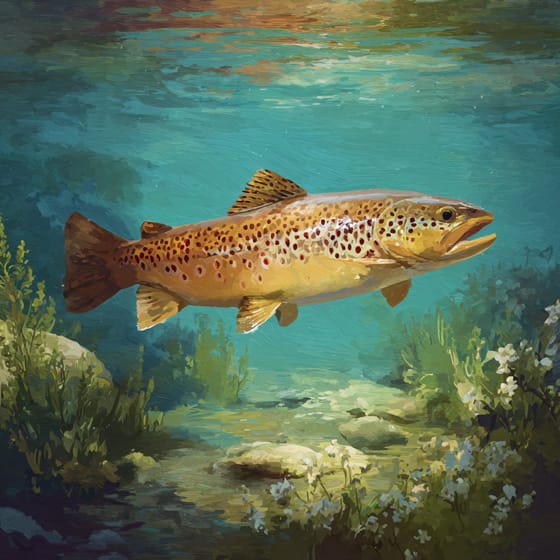
Salmo trutta
A key food source for many fish species.
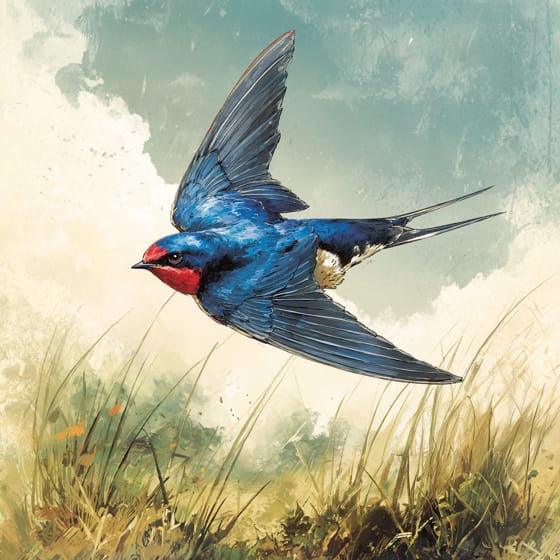
Hirundo rustica
Adults are caught mid-air by these agile birds.
Diatoma vulgaris
Nymphs scrape and feed on these microscopic algae.
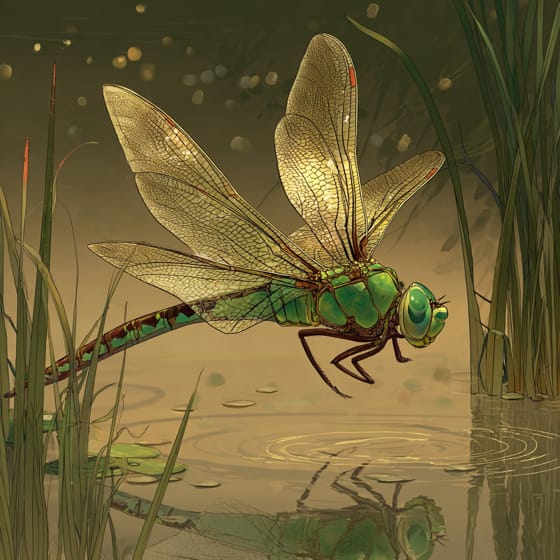
Anax junius
Dragonfly nymphs prey on mayfly nymphs in the water.
Social animals live in organized groups, cooperating for survival benefits such as foraging, defense, and raising offspring.
This trait characterizes organisms whose diet consists entirely or primarily of plant material.
This trait identifies organisms whose diet primarily consists of insects and other small invertebrates.
Diurnal animals are primarily active during daylight hours, typically resting or sleeping at night.

Freshwater habitats include non-saline aquatic environments such as rivers, lakes, ponds, and wetlands, vital for numerous species.

Describes a species whose presence and role have a disproportionately large effect on its environment.

Pertaining to species that are significantly smaller than typical or average for their kind.

Describes organisms that transfer pollen, enabling the fertilization and reproduction of plants.
No aliases listed yet.
Danger
1/5 · Very low
Always wash your hands after playing near water to stay clean and healthy.
The easiest way to identify Stream Mayflies is to use the Snappit nature identifier app.
10-30 mm
5-20 mm
30-365 days
10 km/h
Nymphs graze on tiny plants and decaying bits, while adults astonishingly do not eat at all!
Freshwater streams
Grazing
Zoom in to split clusters and explore where this object has been snapped.
Recent snaps will appear here as new observations are added.
Take the discovery with you
Snap it with Snappit to identify it, learn what makes it special, and add the discovery to your collection.







.jpg&width=800)



