





Common Spadefoot
Pelobates fuscus
The Common Spadefoot is a special frog that loves to dig! It has big, strong feet that help it burrow into the ground. This helps it stay safe and cool in the dirt.
Habitat: Grasslands
The Common Spadefoot is a plump toad with smooth skin, typically mottled grey, brown, or olive, often with darker spots. It has prominent eyes with unique vertical pupils, setting it apart from most round-pupiled frogs. Its hind feet feature a hard, spade-like projection.
Category
AmphibiansRarity
Common
Danger
1/5 · Very low
Snaps
Be the first to snap!
Common Spadefoots often inflate their bodies with air to appear much larger when scared.
Their tadpoles can speed up or slow down their growth depending on how fast their pond is drying.
These amphibians are known to emerge in huge groups after heavy rain to find mates.
They have vertical pupils, like a cat, which is very unusual for an amphibian!
Common Spadefoot can burrow backwards into soil very quickly because of the hard spades on its hind feet that help them disappear from predators.
Common Spadefoot has a special defense by secreting a strong-smelling, garlicky substance from its skin that helps them deter attackers.
Common Spadefoot can survive dry periods by burrowing deep underground, which helps them stay moist and cool until rain returns.
This amphibian mostly eats various small invertebrates, like insects and worms, to get its energy.
Age differences: Tadpoles eat algae and detritus; adults are carnivorous, hunting insects and other invertebrates.
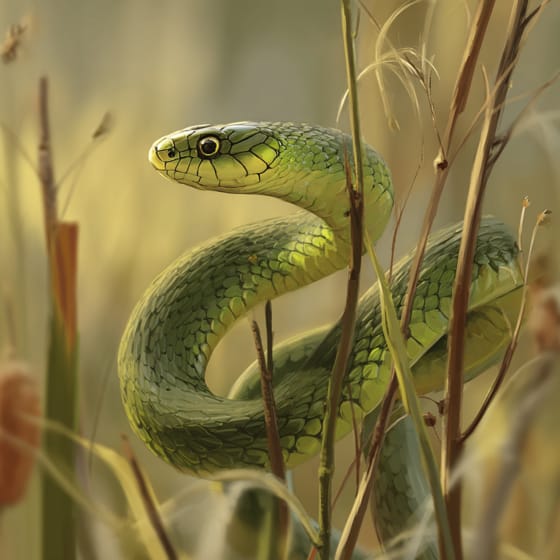
Natrix natrix
A common predator in wetland and pond habitats.
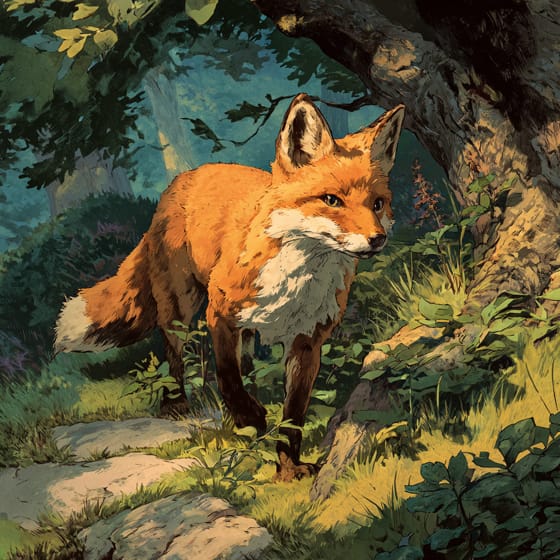
Vulpes vulpes
Foxes can dig them out from their underground burrows.
Lumbricus terrestris
A primary food source found in their sandy burrowing grounds.
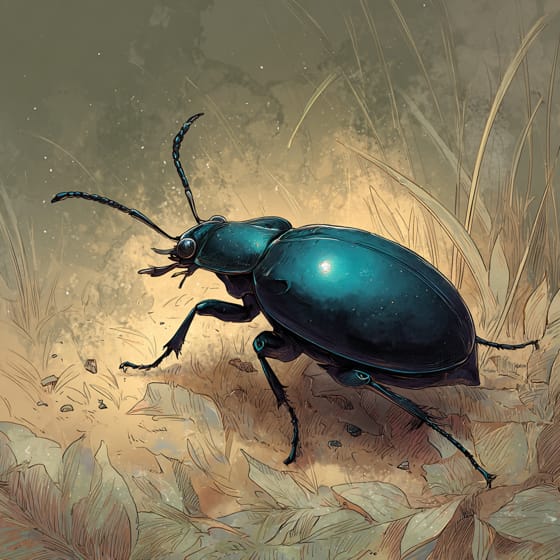
Carabus nemoralis
One of many beetles caught while foraging at night.
Characterized by having toes connected by a membrane, typically aiding in swimming.
Burrowing animals dig tunnels and chambers in the ground, using these subterranean structures for shelter, hunting, or breeding.
Camouflaged describes organisms that possess coloring or patterns that allow them to blend into their environment.
Colorful describes organisms or objects displaying a wide range of bright and distinct colors.

Grassland habitats are terrestrial biomes dominated by grasses and herbaceous plants, supporting a variety of grazing animals.

This trait identifies organisms whose diet primarily consists of insects and other small invertebrates.

Nocturnal animals are primarily active during the nighttime hours, typically resting or sleeping during the day.
No aliases listed yet.
Danger
1/5 · Very low
Always wash your hands after touching frogs and never pick them up roughly.
The easiest way to identify Common Spadefoot is to use the Snappit nature identifier app.
3.5-6.5 cm
0.005-0.02 kg
5-10 years
0.5 km/h
This amphibian mostly eats various small invertebrates, like insects and worms, to get its energy.
Grasslands
Ambush
Zoom in to split clusters and explore where this object has been snapped.
Recent snaps will appear here as new observations are added.
Take the discovery with you
Snap it with Snappit to identify it, learn what makes it special, and add the discovery to your collection.







.JPG&width=800)



.jpg&width=800)

