





Subvittate Lady Beetle
Myzia subvittata
The Subvittate Lady Beetle is a small, colorful bug that loves to eat aphids! These friendly beetles help keep gardens healthy by munching on pesky pests.
Habitat: Gardens
The Subvittate Lady Beetle is an oval-shaped insect, typically reddish-orange to yellowish with distinct black spots. Its 'subvittate' name hints at faint, elongated stripes or a thin black line down its back, making it visually distinct from common round-spotted ladybugs.
Category
InsectsRarity
Common
Danger
1/5 · Very low
Snaps
1
An adult Subvittate Lady Beetle can eat hundreds of tiny aphids in just one day!
Baby lady beetles (larvae) look like tiny spiky alligators and are super hungry predators!
Lady beetles "play dead" by tucking in their legs and falling over when scared!
Their bright colors are a warning sign to birds and other animals to stay away.
Subvittate Lady Beetle can ooze a foul-smelling liquid from its legs because of special glands that help them deter hungry predators.
Subvittate Lady Beetle has strong, hidden wings that help them quickly fly away from danger or find new food sources.
Subvittate Lady Beetle can cling to smooth leaves and stems because of tiny hairs on its feet that help them walk upside down.
These beetles are tiny hunters, eating small, soft-bodied insects that harm plants.
Age differences: null
Aphis gossypii
Feasts on these plant pests.
Macrosiphum euphorbiae
A favorite food source.
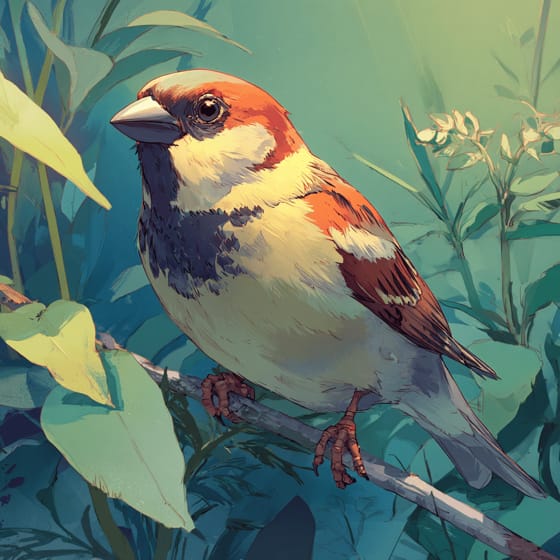
Passer domesticus
Birds sometimes try to eat them.
Marked with spots or patches of a different color.
Social animals live in organized groups, cooperating for survival benefits such as foraging, defense, and raising offspring.
Colorful describes organisms or objects displaying a wide range of bright and distinct colors.
This trait identifies organisms whose diet primarily consists of insects and other small invertebrates.

Describes plants that are particularly attractive and beneficial to a wide range of pollinating organisms.

Diurnal animals are primarily active during daylight hours, typically resting or sleeping at night.

Describes a species whose presence and role have a disproportionately large effect on its environment.

This habitat trait indicates species that can coexist with humans in urban and suburban environments, utilizing man-made structures and green spaces.

Describes organisms that transfer pollen, enabling the fertilization and reproduction of plants.
No aliases listed yet.
Danger
1/5 · Very low
These beetles are safe to watch, but don't touch them too much.
The easiest way to identify Subvittate Lady Beetle is to use the Snappit nature identifier app.
10-16 mm
5-8 mm
30-90 days
8 km/h
These beetles are tiny hunters, eating small, soft-bodied insects that harm plants.
Gardens
Foraging
Zoom in to split clusters and explore where this object has been snapped.
Take the discovery with you
Snap it with Snappit to identify it, learn what makes it special, and add the discovery to your collection.









.jpg&width=800)


