





Delicate Cycnia Moth
cycnia tenera
The Delicate Cycnia Moth is a beautiful insect with soft, colorful wings that flutter around in the garden. These moths can often be seen during warm summer nights, making them a delightful sight for young nature explorers!
Habitat: Delicate Cycnia Moths are commonly found in gardens, meadows, and open woodlands.
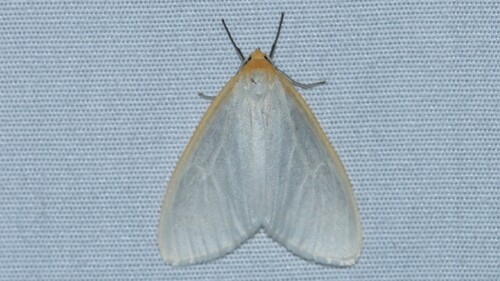
The Delicate Cycnia Moth is pale yellowish-white, often with two small black dots on each forewing. Its fuzzy body matches the wing color, which can be slightly translucent. This gives it a soft, almost ethereal appearance.
Category
InsectsRarity
Common
Danger
0/5 · No known danger
Snaps
14
Adult moths rarely eat, saving all their energy for flying and mating.
Caterpillars can safely munch on toxic milkweed plants that harm others!
Male moths use feathery antennae to sniff out females from far away!
When threatened, they can emit a stinky liquid to deter predators.
Delicate Cycnia Moth has special toxins from its diet that make them taste terrible, protecting them from predators.
Delicate Cycnia Moth can hear bat calls, allowing them to dodge out of the way to escape being eaten.
Delicate Cycnia Moth can drop to the ground and feign death when startled, surprising attackers.
Caterpillars munch on toxic milkweed leaves, while adult moths usually don't eat at all.
Age differences: Larvae feed exclusively on milkweed leaves; adults generally do not feed.
Solitary animals live alone for most of their lives, only interacting with others for mating or parental care.
Colorful describes organisms or objects displaying a wide range of bright and distinct colors.
This trait characterizes organisms whose diet consists entirely or primarily of plant material.
Nocturnal animals are primarily active during the nighttime hours, typically resting or sleeping during the day.

Describes organisms that transfer pollen, enabling the fertilization and reproduction of plants.
Danger
0/5 · No known danger
No special safety notes yet.
The easiest way to identify Delicate Cycnia Moth is to use the Snappit nature identifier app.
25-38 mm
12-15 mm
7-14 days
Caterpillars munch on toxic milkweed leaves, while adult moths usually don't eat at all.
Delicate Cycnia Moths are commonly found in gardens, meadows, and open woodlands.
6
Zoom in to split clusters and explore where this object has been snapped.
Jul 4, 2024
Nyack Ranger Station Historic DistrictPhoto attribution
(c) Rich Sommer, some rights reserved (CC BY)
License: CC BY 4.0 ↗
Image may be shown cropped inside the card frame.

US
You might spot Monarch, Ipsilon Dart Moth, and Canada Goose.
View guide →
Pennsylvania, US
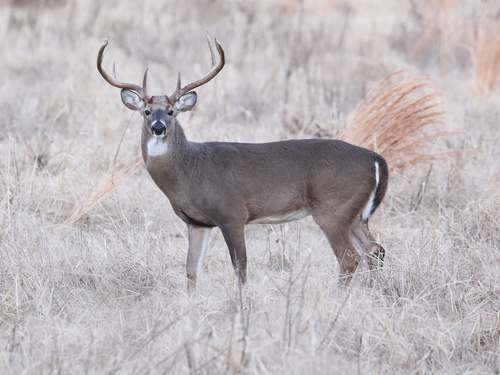
You might spot White-Tailed Deer, Eastern Bluebird, and Northern Cardinal.
View guide →

Pennsylvania, US
You might spot Harlequin Bug, White-Tailed Deer, and Bee.
View guide →
Pennsylvania, US
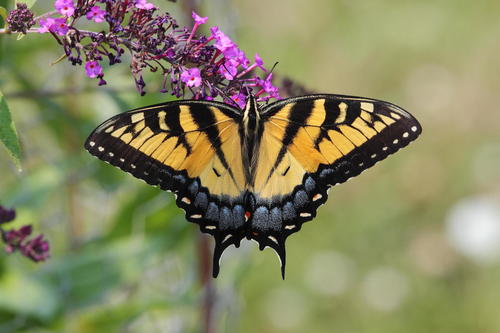
You might spot Eastern Tiger Swallowtail, Eastern Bluebird, and Monarch.
View guide →

New Jersey, US
You might spot Eastern Tiger Swallowtail.
View guide →

Ohio, US
You might spot Humboldt Penguin, Sea Lion, and Polar Bear.
View guide →
Take the discovery with you
Snap it with Snappit to identify it, learn what makes it special, and add the discovery to your collection.









.jpg&width=800)



