





Sun Jumping Spiders
heliophanus
Sun Jumping Spiders are tiny and super fast, making them fun to watch as they leap around! They love to bask in the sunshine, which helps them stay warm and active.
Habitat: Sun Jumping Spiders can be found in sunny gardens, fields, and grassy areas.
The Sun Jumping Spiders has a small, stocky body often adorned with iridescent scales that shimmer in metallic gold, bronze, or green. Its most striking features are its four large, forward-facing eyes, giving it a distinctive, alert appearance amongst its compact, hairy legs.
Category
InsectsRarity
Common
Danger
0/5 · No known danger
Snaps
Be the first to snap!
Baby jumping spiders can float on air using silk, like tiny parachutes!
Some male Sun Jumping Spiders perform complex dances to attract a mate.
These spiders clean themselves constantly to keep their incredible eyes sparkling.
They 'see' in amazing detail, like tiny binoculars, spotting prey from afar!
Sun Jumping Spiders can leap great distances using sudden changes in blood pressure, allowing them to ambush prey or escape danger.
Sun Jumping Spiders has exceptional eyesight from eight eyes, with two large ones providing excellent depth perception for hunting.
Sun Jumping Spiders can produce draglines of silk that act as safety tethers when jumping, preventing falls from high places.
Tiny hunters, these spiders feast on small insects they catch with their amazing jumps!
Musca domestica
Primary prey for spiders.
Culex pipiens
Frequently hunted small insect.
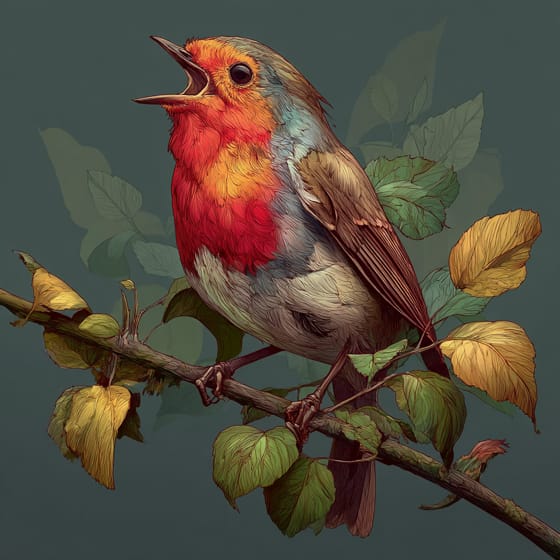
Turdus migratorius
Birds often eat spiders.
Anoplius relativus
Wasps paralyze spiders for nests.
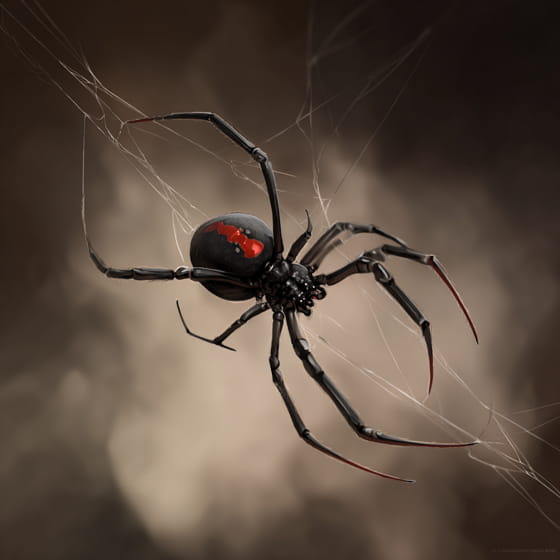
Latrodectus mactans
Larger spiders may prey on them.
Solitary animals live alone for most of their lives, only interacting with others for mating or parental care.
Colorful describes organisms or objects displaying a wide range of bright and distinct colors.
Forest habitats are terrestrial environments dominated by dense tree cover, supporting a high diversity of plant and animal life.
This trait identifies organisms whose diet consists entirely or primarily of animal tissue.

Diurnal animals are primarily active during daylight hours, typically resting or sleeping at night.
Danger
0/5 · No known danger
Do not touch wild spiders, but enjoy watching them from a distance.
The easiest way to identify Sun Jumping Spiders is to use the Snappit nature identifier app.
3-8 mm
365-730 days
Tiny hunters, these spiders feast on small insects they catch with their amazing jumps!
Sun Jumping Spiders can be found in sunny gardens, fields, and grassy areas.
Ambush
8
Zoom in to split clusters and explore where this object has been snapped.
Recent snaps will appear here as new observations are added.
Take the discovery with you
Snap it with Snappit to identify it, learn what makes it special, and add the discovery to your collection.









.jpg&width=800)


