.jpg&width=800)





Swan Moth
Sphrageidus similis
The Swan Moth is a beautiful insect with soft, white wings that look like a swan's feathers. They are often seen fluttering around gardens and fields, especially in the evening.
Habitat: Grasslands
The Swan Moth is a small, fluffy moth with pure white wings and a contrasting bright yellow, furry tail tuft on its abdomen. Its antennae are feathery, especially in males. This distinct yellow tail makes it stand out from other white moths.
Category
InsectsRarity
Common
Danger
1/5 · Very low
Snaps
Be the first to snap!
Adult Swan Moths can still cause skin irritation if you accidentally brush against them!
Female Swan Moths protect their eggs with irritating hairs from their own bodies!
Male Swan Moths have super fluffy antennae to sniff out females from far away!
Tiny Swan Moth caterpillars eat and grow for almost a year before becoming a moth!
Swan Moth has irritating hairs on its body from its caterpillar stage, which helps them deter hungry predators.
Swan Moth caterpillars can pause their growth to hibernate through winter, helping them be ready for spring's fresh leaves.
Swan Moth has a bright yellow tail tuft that can be displayed, helping to warn predators of its irritating defenses.
Adult Swan Moths sip flower nectar; their caterpillars munch on many tree and shrub leaves.
Age differences: Young caterpillars eat leaves; adults primarily drink flower nectar.
Quercus robur
Its caterpillars feed on the leaves.
Rubus fruticosus
Adult moths visit its flowers for nectar.
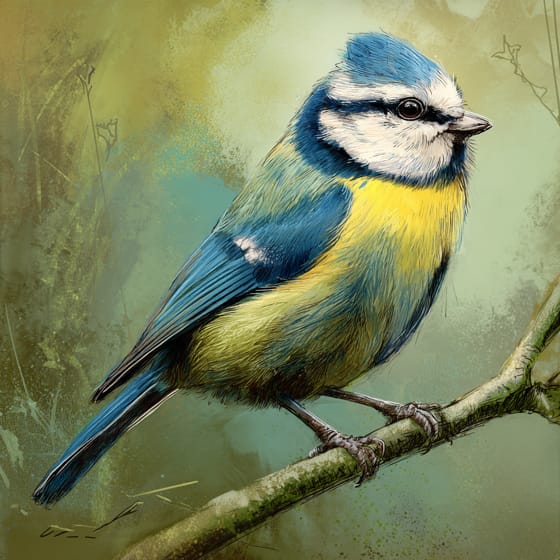
Cyanistes caeruleus
Birds like tits prey on its caterpillars.
Cotesia glomerata
This wasp lays eggs inside its caterpillars.
Furry describes animals possessing a dense covering of soft hair or fur.
Grassland habitats are terrestrial biomes dominated by grasses and herbaceous plants, supporting a variety of grazing animals.
This trait characterizes organisms whose diet consists entirely or primarily of plant material.
Describes plants that are particularly attractive and beneficial to a wide range of pollinating organisms.

Nocturnal animals are primarily active during the nighttime hours, typically resting or sleeping during the day.

Describes organisms that transfer pollen, enabling the fertilization and reproduction of plants.
No aliases listed yet.
Danger
1/5 · Very low
Moths are usually harmless, but it's best to watch them from a distance.
The easiest way to identify Swan Moth is to use the Snappit nature identifier app.
30-45 mm
15-20 mm
7-14 days
Adult Swan Moths sip flower nectar; their caterpillars munch on many tree and shrub leaves.
Grasslands
Foraging
6
Zoom in to split clusters and explore where this object has been snapped.
Recent snaps will appear here as new observations are added.
Take the discovery with you
Snap it with Snappit to identify it, learn what makes it special, and add the discovery to your collection.






.jpg&width=800)




