





Sycamore Moth
Acronicta aceris
The Sycamore Moth is a fluffy, grayish-brown moth that loves to rest on tree trunks. Its caterpillars are bright green and can be found munching on sycamore leaves. They are fun to spot in nature!
Habitat: Forests
The Sycamore Moth has greyish-brown forewings streaked with black and a distinctive pale patch near its body. Its hindwings are plain white, and its body is covered in short grey fur. This coloration helps it blend with tree bark.
Category
InsectsRarity
Common
Danger
1/5 · Very low
Snaps
Be the first to snap!
Adult Sycamore Moths have no mouthparts, so they cannot eat anything at all!
It's named for the sycamore tree, whose leaves its hungry caterpillars munch on.
Its caterpillar is shockingly bright yellow, covered in fluffy white and orange hairs!
The caterpillar's long, stiff hairs can cause skin irritation if touched!
Sycamore Moth caterpillars are brightly colored because of their startling yellow and orange hues, which warns predators they might be distasteful.
Sycamore Moth adults have camouflaged wings that help them blend seamlessly with tree bark, making them hard for predators to spot.
Sycamore Moth caterpillars have stiff, spiky hairs that can irritate a predator's skin, helping them defend against attacks.
Sycamore Moth larvae munch on tree leaves, but the adults don't eat anything at all!
Age differences: Larvae are herbivores, feeding on tree leaves. Adults do not feed during their short lifespan.
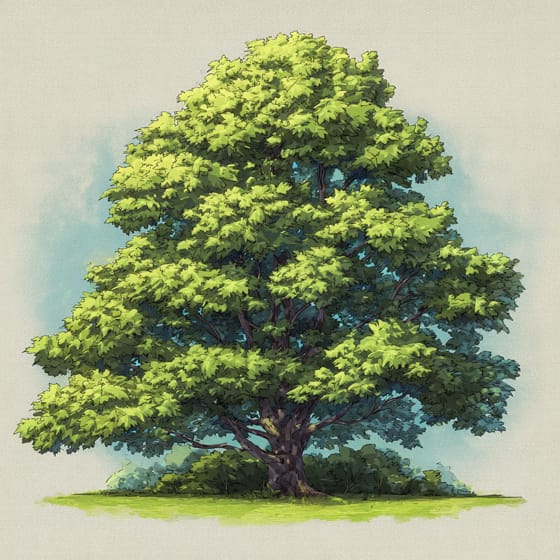
Acer pseudoplatanus
Larvae depend on its leaves for food.
Platanus acerifolia
Its caterpillars munch on these common tree leaves.
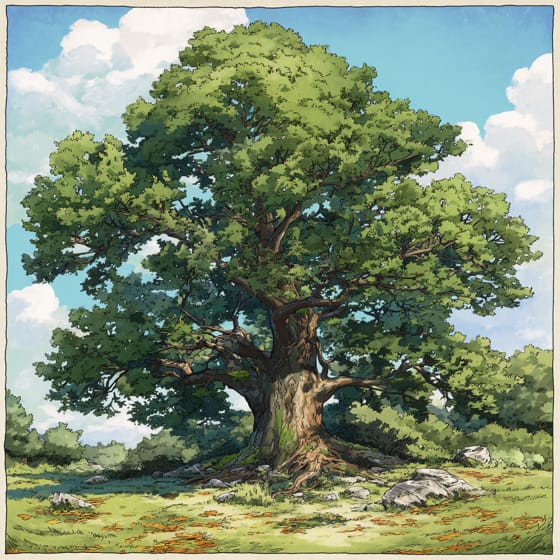
Quercus robur
Caterpillars also feed on oak tree leaves.
%2C_Parc_de_Woluw%C3%A9%2C_Brussels_(13042792905).jpg&width=800)
Parus major
Young birds hunt and feed on its caterpillars.
Furry describes animals possessing a dense covering of soft hair or fur.
Solitary animals live alone for most of their lives, only interacting with others for mating or parental care.
Camouflaged describes organisms that possess coloring or patterns that allow them to blend into their environment.
This trait characterizes organisms whose diet consists entirely or primarily of plant material.

Forest habitats are terrestrial environments dominated by dense tree cover, supporting a high diversity of plant and animal life.

Nocturnal animals are primarily active during the nighttime hours, typically resting or sleeping during the day.

Describes organisms that transfer pollen, enabling the fertilization and reproduction of plants.
No aliases listed yet.
Danger
1/5 · Very low
Always look but don't touch insects, as some might be delicate or have tiny hairs that can irritate skin.
The easiest way to identify Sycamore Moth is to use the Snappit nature identifier app.
35-45 mm
15-20 mm
7-14 days
5-10 km/h
Sycamore Moth larvae munch on tree leaves, but the adults don't eat anything at all!
Forests
Foraging
Zoom in to split clusters and explore where this object has been snapped.
Recent snaps will appear here as new observations are added.
Take the discovery with you
Snap it with Snappit to identify it, learn what makes it special, and add the discovery to your collection.







.jpg&width=800)



