.JPG&width=800)





Tachinid Flies
tachinidae
Tachinid flies are fascinating insects that help control pest populations! They lay their eggs on or inside other insects, and their larvae feed on them, keeping gardens healthy.
Habitat: Tachinid flies can be found in various environments, including gardens, forests, and fields.
The Tachinid Flies are typically robust, bristly flies, often grey or dark with striped thoraxes and sometimes metallic blue-black bodies. They frequently have large eyes and prominent bristles on their abdomen, making them appear hairier than common houseflies.
Category
InsectsRarity
Common
Danger
0/5 · No known danger
Snaps
Be the first to snap!
A single female tachinid fly can lay thousands of eggs in her lifetime!
Many tachinid flies are fantastic pollinators of wildflowers and crops.
Some species even lay their tiny eggs directly on their host's eggs!
Their larvae are like tiny, stealthy alien parasites inside other bugs!
Tachinid Flies can precisely locate specific insect hosts to lay their eggs, ensuring their larvae have vital food and shelter.
Tachinid Flies has larvae that develop inside other living insects, slowly consuming their hosts from within.
Some Tachinid Flies can mimic bees or wasps, helping them avoid predators by appearing more dangerous.
Adults sip nectar, but their young are parasitic on other insects!
Age differences: Larvae are internal parasites of other insects; adults feed on nectar and pollen.
Manduca sexta
Larvae develop inside this large caterpillar pest.
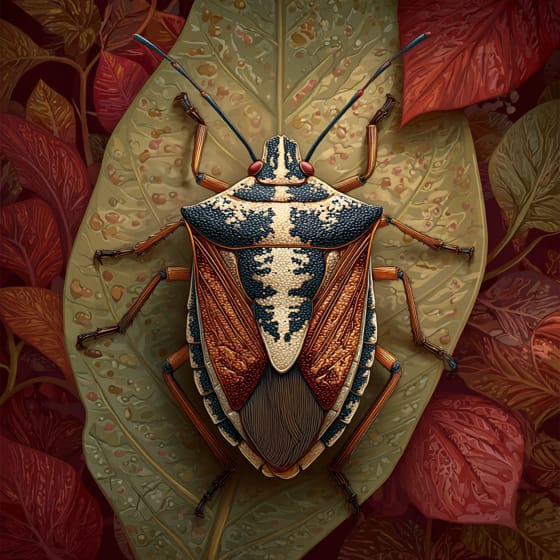
Halyomorpha halys
An important natural enemy of this invasive agricultural pest.
Achillea millefolium
Adults visit the flower clusters for nectar and pollen.
Misumena vatia
An ambush predator that preys on adult flies on flowers.
Social animals live in organized groups, cooperating for survival benefits such as foraging, defense, and raising offspring.
Colorful describes organisms or objects displaying a wide range of bright and distinct colors.
This trait identifies organisms whose diet consists entirely or primarily of animal tissue.
Diurnal animals are primarily active during daylight hours, typically resting or sleeping at night.

Describes organisms that transfer pollen, enabling the fertilization and reproduction of plants.
Danger
0/5 · No known danger
No special safety notes yet.
The easiest way to identify Tachinid Flies is to use the Snappit nature identifier app.
4-40 mm
2-20 mm
10-30 days
15 km/h
Adults sip nectar, but their young are parasitic on other insects!
Tachinid flies can be found in various environments, including gardens, forests, and fields.
Foraging
Zoom in to split clusters and explore where this object has been snapped.
Recent snaps will appear here as new observations are added.
Take the discovery with you
Snap it with Snappit to identify it, learn what makes it special, and add the discovery to your collection.








.jpg&width=800)



