





Tawny Frogmouth
Podargus strigoides
The Tawny Frogmouth is a unique bird that looks like a tree branch! It has soft, brown feathers that help it blend into its surroundings. These birds are mostly active at night and love to catch insects and small animals.
Habitat: Forests
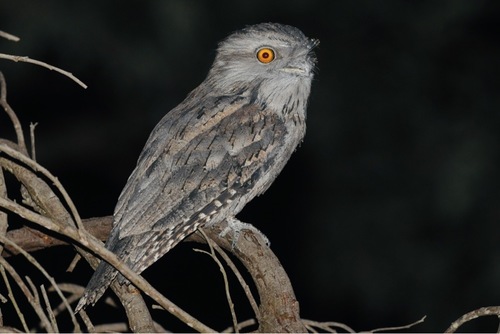
The Tawny Frogmouth is a stocky nocturnal bird with mottled grey, brown, and rufous plumage, perfectly mimicking tree bark. It has striking yellow eyes and a uniquely broad, frog-like mouth. Its flattened head and wide bill make it visually distinct from owls.
Category
BirdsRarity
Common
Danger
1/5 · Very low
Snaps
Be the first to snap!
It's not an owl, but often mistaken for one due to its nocturnal habits!
Sometimes they pretend to be a broken branch, pointing their bill upwards!
Their eyes are fixed, so they must turn their heads to look around.
They build flimsy stick nests, often reusing old cuckoo-shrike nests.
Tawny Frogmouth has mottled feathers that perfectly mimic tree bark, helping them hide from predators and find prey.
Tawny Frogmouth can catch flying insects in the dark because it has excellent night vision and surprisingly silent flight.
Tawny Frogmouth has an incredibly wide mouth that acts like a trap, letting it scoop up insects and small creatures quickly.
These nighttime hunters gobble up insects, spiders, and even small critters like mice!
Anoplognathus aureus
eats flying beetles at night
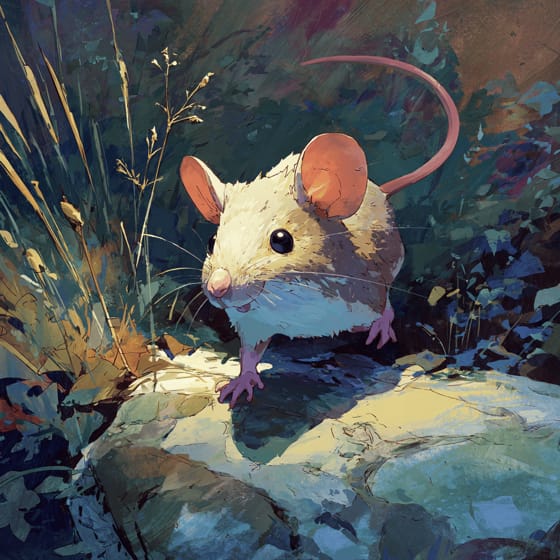
Mus musculus
hunts small rodents for food
Varanus varius
lizards prey on eggs and chicks
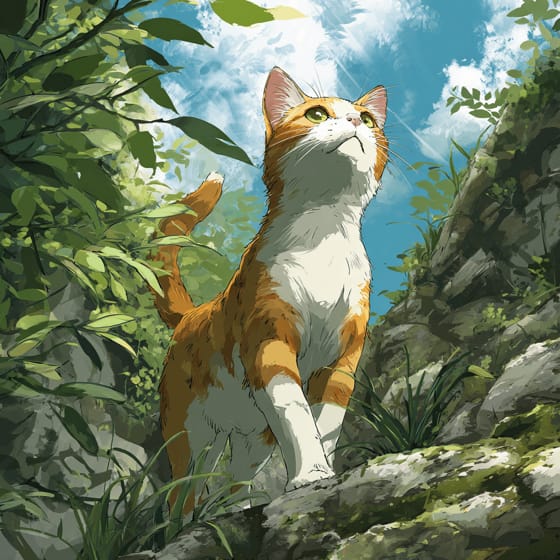
Felis catus
feral cats prey on birds
Feathered describes animals, primarily birds, possessing a covering of feathers.
Solitary animals live alone for most of their lives, only interacting with others for mating or parental care.
Camouflaged describes organisms that possess coloring or patterns that allow them to blend into their environment.
This trait identifies organisms whose diet primarily consists of insects and other small invertebrates.

An ambush predator hunts by patiently waiting and concealing itself, then launching a sudden attack when unsuspecting prey comes within range.

Forest habitats are terrestrial environments dominated by dense tree cover, supporting a high diversity of plant and animal life.

Nocturnal animals are primarily active during the nighttime hours, typically resting or sleeping during the day.
No aliases listed yet.
Danger
1/5 · Very low
Always observe birds from a distance and do not try to touch them.
The easiest way to identify Tawny Frogmouth is to use the Snappit nature identifier app.
34-53 cm
65-98 cm
0.17-0.68 kg
10-14 years
30 km/h
These nighttime hunters gobble up insects, spiders, and even small critters like mice!
Forests
Zoom in to split clusters and explore where this object has been snapped.
Recent snaps will appear here as new observations are added.
Take the discovery with you
Snap it with Snappit to identify it, learn what makes it special, and add the discovery to your collection.





.jpg&width=800)







