





Athene cunicularia hypugaea
Athene cunicularia hypugaea
The Burrowing Owl is a small, clever bird that lives in underground burrows. They have long legs and big eyes, and they can be found in open areas like grasslands and deserts.
Habitat: Grasslands
The Athene cunicularia hypugaea is a small, long-legged owl with sandy-brown plumage, spotted white. It has distinctive bright yellow eyes and prominent white eyebrows, lacking ear tufts found on many other owl species.
Category
BirdsRarity
Common
Danger
1/5 · Very low
Snaps
Be the first to snap!
Burrowing owls sometimes store extra prey inside their homes for a future snack!
Their diet includes scorpions, and they sometimes remove the stinger before eating!
These clever owls decorate their burrow entrances with poop to attract tasty insects!
They wag their tails up and down when they get excited or feel threatened!
Athene cunicularia hypugaea can live underground in burrows, which helps them stay safe from predators and bad weather.
Athene cunicularia hypugaea can mimic a rattlesnake's hiss to scare away intruders from its nest or burrow.
Athene cunicularia hypugaea can hunt during the day, which helps them find food when many other owls are sleeping.
Athene cunicularia hypugaea can run quickly on the ground, which helps them chase insects and escape from danger.
These owls feast on a diverse menu of insects and small rodents, often hunting by day or night.
Cynomys ludovicianus
Uses abandoned burrows for nests and refuge.
Dipodomys ordii
A common prey item in their North American habitat.
Microtus pennsylvanicus
Frequently hunted, especially during breeding season.
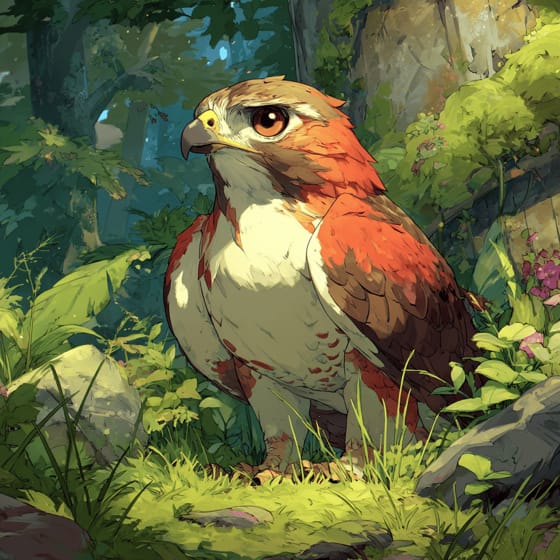
Buteo jamaicensis
Predatory bird that poses a threat to young owls.
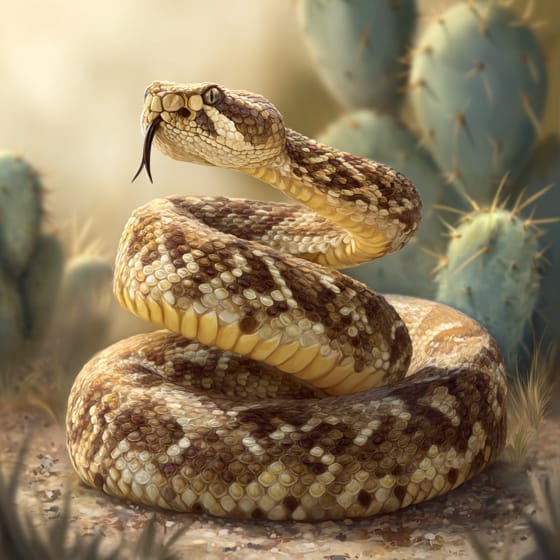
Crotalus atrox
Shares burrows, sometimes with a tense coexistence.
Feathered describes animals, primarily birds, possessing a covering of feathers.
Social animals live in organized groups, cooperating for survival benefits such as foraging, defense, and raising offspring.
Burrowing animals dig tunnels and chambers in the ground, using these subterranean structures for shelter, hunting, or breeding.
Grassland habitats are terrestrial biomes dominated by grasses and herbaceous plants, supporting a variety of grazing animals.

This trait identifies organisms whose diet primarily consists of insects and other small invertebrates.

This trait identifies organisms whose diet consists entirely or primarily of animal tissue.

Diurnal animals are primarily active during daylight hours, typically resting or sleeping at night.
Danger
1/5 · Very low
If you see a Burrowing Owl, watch quietly from a distance so you don't scare it.
The easiest way to identify Athene cunicularia hypugaea is to use the Snappit nature identifier app.
19-28 cm
50-61 cm
0.14-0.24 kg
6-9 years
50 km/h
These owls feast on a diverse menu of insects and small rodents, often hunting by day or night.
Grasslands
Zoom in to split clusters and explore where this object has been snapped.
Recent snaps will appear here as new observations are added.
Take the discovery with you
Snap it with Snappit to identify it, learn what makes it special, and add the discovery to your collection.




.jpg&width=800)








