





Red Knot
Calidris canutus
The Red Knot is a small shorebird known for its beautiful reddish-brown feathers during the breeding season. These birds are great at finding food on sandy beaches and love to travel long distances.
Habitat: Coastal areas
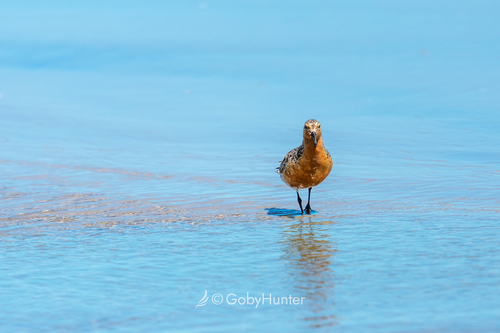
The Red Knot is a medium-sized shorebird, distinctive in breeding season with a brick-red face and belly contrasting with its grey-brown, mottled back. In winter, they appear plainer grey above and whitish below, maintaining a relatively short, dark bill and short legs.
Category
BirdsRarity
Common
Danger
1/5 · Very low
Snaps
4
Red Knots change their feather color dramatically between summer and winter!
Some Red Knots migrate from the Arctic all the way to the tip of South America!
Their epic journey makes them one of the animal kingdom's greatest travelers.
These amazing birds can fly for days and nights without stopping to rest.
Red Knots can fly astounding distances, over 15,000 km, because they cleverly store vast fat reserves for energy.
Red Knots have highly sensitive bills that help them feel for hidden clams and worms buried deep in the sand.
Red Knots can temporarily shrink their digestive organs and flight muscles during migration, saving vital energy.
Red Knots slurp up tiny shellfish and worms from sandy shores, and eat insects in the Arctic.
Macoma balthica
Red Knots feast on these tiny clams along coastlines.
Arenicola marina
Knots probe sandy shores to find these marine worms.
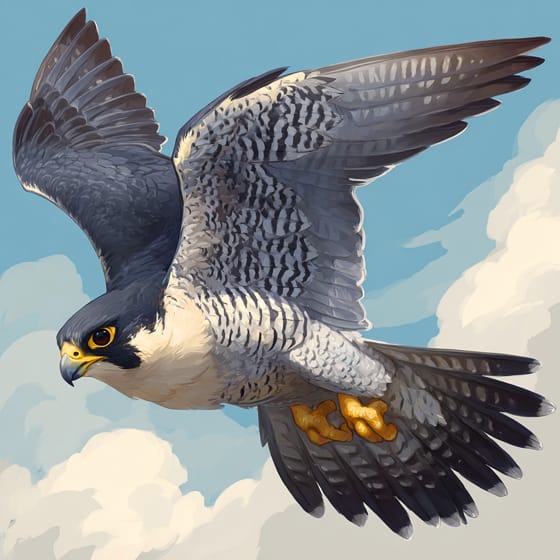
Falco peregrinus
A swift predator, the Peregrine Falcon hunts adult Knots.
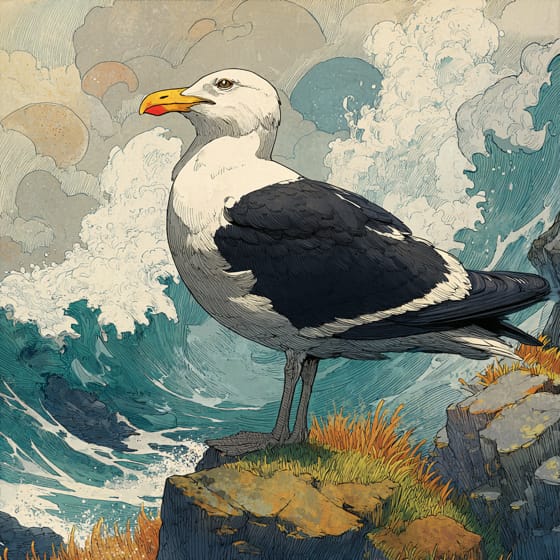
Larus marinus
Gulls can prey on eggs and young Red Knots.
Feathered describes animals, primarily birds, possessing a covering of feathers.
Social animals live in organized groups, cooperating for survival benefits such as foraging, defense, and raising offspring.
Coastal habitats are dynamic environments located along the interface between land and sea, influenced by tides, waves, and saltwater.
This trait identifies organisms whose diet consists entirely or primarily of animal tissue.

Diurnal animals are primarily active during daylight hours, typically resting or sleeping at night.

This trait identifies organisms that exhibit exceptional swiftness in movement for hunting, escape, or travel.

Migratory animals undertake seasonal movements from one region to another, typically in response to changes in climate or food availability.

Threatened status denotes a species likely to become endangered in the foreseeable future without effective conservation interventions.
Danger
1/5 · Very low
Always watch birds from a distance and do not disturb their nests.
The easiest way to identify Red Knot is to use the Snappit nature identifier app.
23-26 cm
47-53 cm
0.1-0.2 kg
10-20 years
65 km/h
Red Knots slurp up tiny shellfish and worms from sandy shores, and eat insects in the Arctic.
Coastal areas
Zoom in to split clusters and explore where this object has been snapped.
Jun 2, 2026
Stone Harbor Bird SanctuaryPhoto attribution
(c) GobyHunter, some rights reserved (CC BY)
License: CC BY 4.0 ↗
Image may be shown cropped inside the card frame.

New York, US
You might spot African Penguin, Sea Otter, and Harbor Seal.
View guide →

Massachusetts, US
You might spot Woolly Beachheather and American Herring Gull.
View guide →

US
You might spot Atlantic Horseshoe Crab and American Oystercatcher.
View guide →
Take the discovery with you
Snap it with Snappit to identify it, learn what makes it special, and add the discovery to your collection.




.jpg&width=800)







