





Tawny Marbled Minor
Oligia latruncula
The Tawny Marbled Minor is a small, brown moth with beautiful patterns on its wings. It loves to fly around gardens and fields, especially during the night when it's cooler.
Habitat: Grasslands
The Tawny Marbled Minor is a small moth, typically tawny-brown with darker marbling patterns across its forewings. It often displays a distinct dark kidney-shaped mark near the center of its wings, helping it blend into its grassy habitats.
Category
InsectsRarity
Common
Danger
1/5 · Very low
Snaps
Be the first to snap!
Caterpillars of this moth spend their winter cozy inside grass stems, hidden from the cold!
It's a master of disguise, often looking exactly like a piece of dead leaf or bark!
Its scientific name, *latruncula*, means 'little robber' in Latin!
The adult moths only live for a few weeks, but they work hard to lay all their eggs quickly!
Tawny Marbled Minor has wing patterns that help them disappear against bark and grass, making them hard for predators to spot.
Tawny Marbled Minor can fly actively in the dark, using senses to find mates and egg-laying spots at night.
Tawny Marbled Minor caterpillars can munch through tough grass stems because of their strong mandibles that help them grow quickly.
Young Tawny Marbled Minors feast on various grasses, while adults might not eat at all!
Age differences: Larvae eat grass stems, but adult moths typically do not feed or only sip nectar rarely.
Pipistrellus pipistrellus
Hunts moths using echolocation at night.
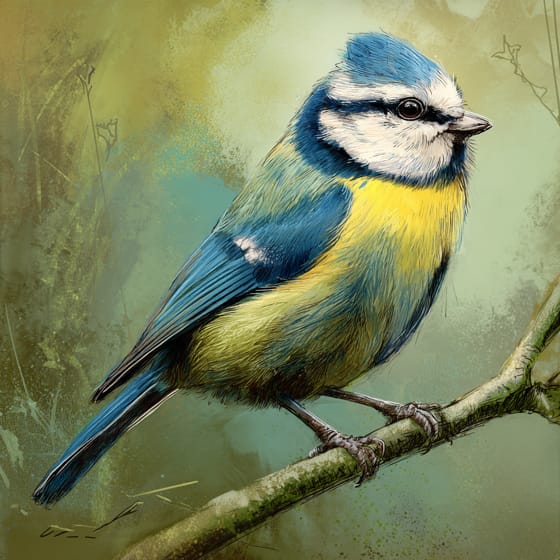
Cyanistes caeruleus
Feeds on caterpillars and adult moths.
Dactylis glomerata
Larvae burrow into and consume its stems.
Festuca rubra
Caterpillars feed inside the grass stems.
Camouflaged describes organisms that possess coloring or patterns that allow them to blend into their environment.
Grassland habitats are terrestrial biomes dominated by grasses and herbaceous plants, supporting a variety of grazing animals.
This trait characterizes organisms whose diet consists entirely or primarily of plant material.
Nocturnal animals are primarily active during the nighttime hours, typically resting or sleeping during the day.

Describes organisms that transfer pollen, enabling the fertilization and reproduction of plants.
No aliases listed yet.
Danger
1/5 · Very low
Moths are usually harmless, but it's best to watch them from a distance.
The easiest way to identify Tawny Marbled Minor is to use the Snappit nature identifier app.
22-26 mm
10-15 mm
14-28 days
Young Tawny Marbled Minors feast on various grasses, while adults might not eat at all!
Grasslands
Foraging
6
Zoom in to split clusters and explore where this object has been snapped.
Recent snaps will appear here as new observations are added.
Take the discovery with you
Snap it with Snappit to identify it, learn what makes it special, and add the discovery to your collection.







.jpg&width=800)




