





tea viburnum
Viburnum setigerum
Tea viburnum is a lovely shrub with beautiful clusters of white flowers. It grows berries that are enjoyed by birds, making it a great plant for gardens and parks.
Habitat: Forests
The tea viburnum is an upright, deciduous shrub featuring ovate, dark green leaves that turn reddish-purple in autumn. It produces clusters of small, creamy-white flowers in late spring, followed by striking, bright orange to red berries that persist into winter.
Category
PlantsRarity
Common
Danger
1/5 · Very low
Snaps
Be the first to snap!
Despite its name, the 'tea' viburnum isn't typically used for tea, but its leaves were once explored as a tea substitute!
In fall, its green leaves transform into stunning shades of purplish-red, adding a fiery glow to the garden!
Its scientific name, setigerum, means 'bristle-bearing,' hinting at tiny hairs on its leaves and stems!
The tea viburnum's cheerful red berries can last on branches all winter, even after the leaves have fallen!
Tea viburnum's bright red berries act like a beacon, attracting birds to eat them and spread its seeds far and wide.
Its dense branches and foliage create cozy hiding spots, offering shelter and safety for small birds and insects.
The small, creamy-white flowers host a party for insects, inviting them to help the plant make new seeds.
Apis mellifera
Gathers nectar and pollen from flowers
Bombus impatiens
Visits flowers for nectar and pollen
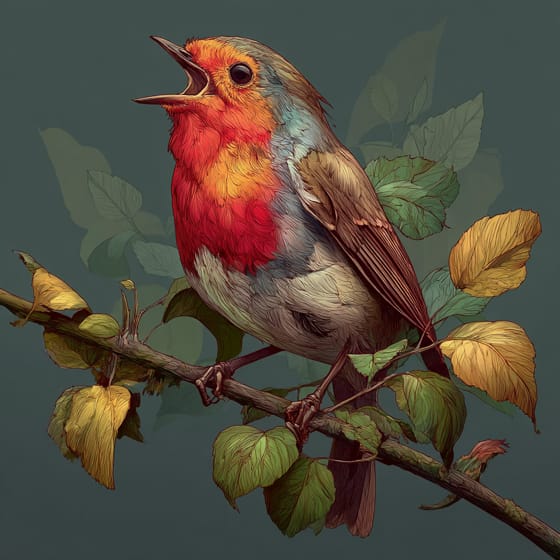
Turdus migratorius
Consumes the bright red berries, aiding seed dispersal
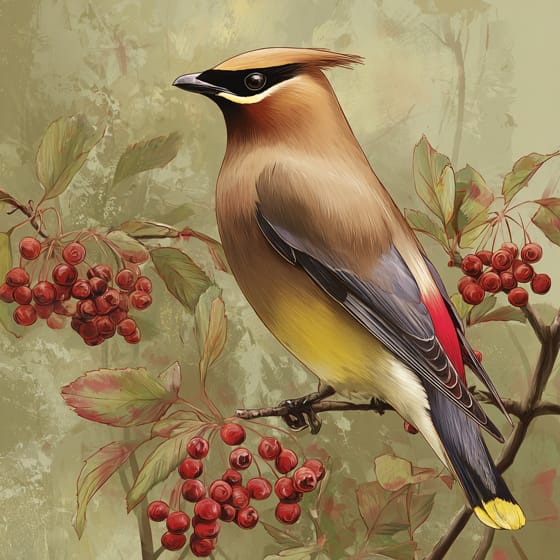
Bombycilla cedrorum
Feeds on the persistent berries, especially in winter
Pyrrhalta viburni
Larvae and adults feed on the leaves
Deciduous plants periodically shed all their leaves, typically during autumn or dry seasons.
Flowering plants are any plants that produce flowers as part of their reproductive cycle.
Ornamental plants are cultivated primarily for their aesthetic appeal, enhancing landscapes and gardens with their attractive foliage, flowers, or form.
A shrub is a woody plant smaller than a tree, typically with multiple stems branching from or near the ground.

Spring blooming plants produce their flowers during the spring season, often signifying the end of winter and the start of new growth.

Fragrant flowers emit a pleasant aroma, often to attract pollinators or for defense.

Fruit-bearing plants produce fruits, which are the mature ovaries of flowering plants containing seeds.

Describes plants that are particularly attractive and beneficial to a wide range of pollinating organisms.

Forest habitats are terrestrial environments dominated by dense tree cover, supporting a high diversity of plant and animal life.
No aliases listed yet.
Danger
1/5 · Very low
Always look but don't touch the berries, as they might not be safe to eat.
The easiest way to identify tea viburnum is to use the Snappit nature identifier app.
200-400 cm
150-300 cm
0.5-1 cm
Late spring to early summer
No
None
Perennial
Zoom in to split clusters and explore where this object has been snapped.
Recent snaps will appear here as new observations are added.
Take the discovery with you
Snap it with Snappit to identify it, learn what makes it special, and add the discovery to your collection.




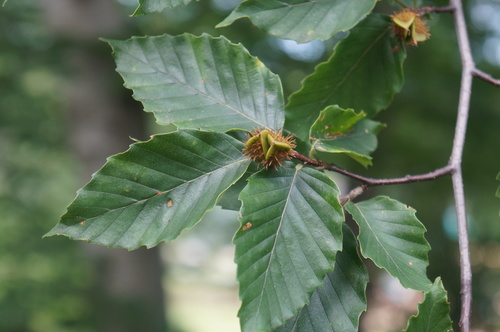
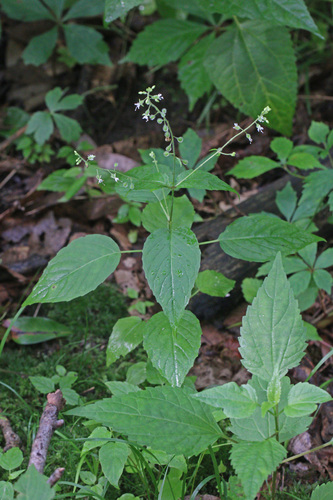


.jpg&width=800)


_001.jpg&width=800)




