.jpg&width=800)





red raspberry
Rubus idaeus
Red raspberries are sweet, juicy fruits that grow on thorny bushes. They are bright red and are often used in yummy desserts and snacks!
Habitat: Forests
The red raspberry is a thorny shrub with arching, reddish-brown canes and green, serrated leaves that are whitish underneath. Its small, five-petaled white flowers develop into clusters of bright red, juicy aggregate fruits, each covered in fine, tiny hairs.
Category
PlantsRarity
Common
Danger
1/5 · Very low
Snaps
6
Ancient people thought eating wild raspberries helped cure ailments!
Each raspberry is actually a cluster of tiny fruits called drupelets!
Raspberries get their vibrant red color from powerful natural pigments!
The stems of raspberry plants are called 'canes' and can live for two years!
Red raspberry has sharp prickles on its canes that help it defend against hungry animals trying to eat its leaves and fruits.
Red raspberry can grow underground runners called suckers that help it spread and create new plants over a wider area.
Red raspberry has canes that grow in the first year and produce fruit in the second, helping it consistently bear berries.
Apis mellifera
Gathers nectar, helping the plant make seeds.
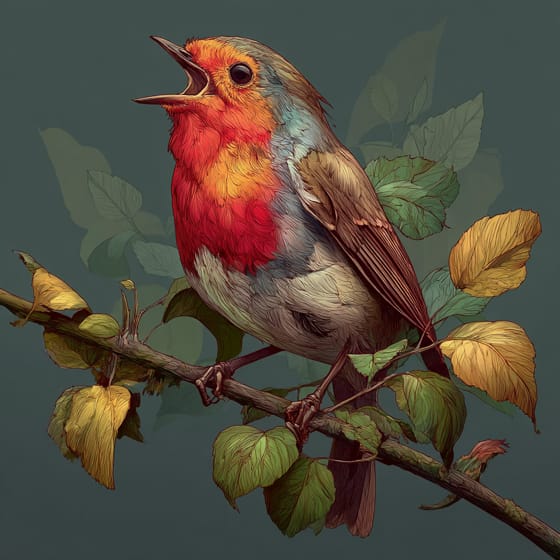
Turdus migratorius
Enjoys the berries and helps spread the seeds.
Ursus americanus
Feasts on ripe raspberries in late summer.

Odocoileus virginianus
Browses on the leaves and young raspberry canes.
Deciduous plants periodically shed all their leaves, typically during autumn or dry seasons.
A shrub is a woody plant smaller than a tree, typically with multiple stems branching from or near the ground.
Fruit-bearing plants produce fruits, which are the mature ovaries of flowering plants containing seeds.
Medicinal plants possess chemical compounds that can be used for therapeutic purposes to treat illnesses or maintain health.

Pertaining to plants that have stems covered with sharp, pointed projections for defense.

Edible plants are those parts of a plant that are considered safe for human consumption.

Describes plants that are particularly attractive and beneficial to a wide range of pollinating organisms.

Forest habitats are terrestrial environments dominated by dense tree cover, supporting a high diversity of plant and animal life.
Danger
1/5 · Very low
Always wash raspberries before eating them to keep them clean!
The easiest way to identify red raspberry is to use the Snappit nature identifier app.
150-250 cm
50-150 cm
0.5-1.5 cm
Late spring to early summer
Yes
None
Perennial
Zoom in to split clusters and explore where this object has been snapped.

Illinois, US
You might spot American Robin, Monarch, and Duck.
View guide →

Alaska, US
You might spot Canadian Bunchberry, Saskatoon, and Canadian Buffalo-Berry.
View guide →
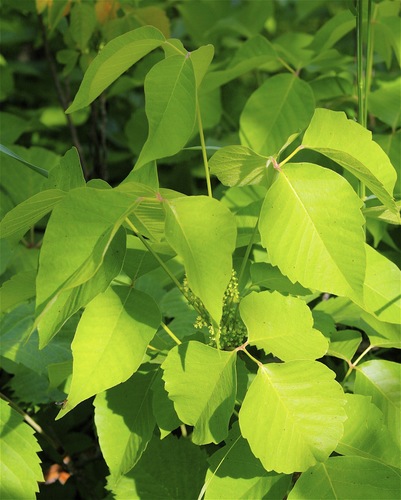
North Dakota, US
You might spot Western Poison Ivy, Wild Licorice, and Leadplant.
View guide →

North Dakota, US
You might spot Woodhouse's Toad, Scarlet Globemallow, and Turkey.
View guide →

Alaska, US
You might spot Dwarf Fireweed and Yellow Mountain-Avens.
View guide →

Idaho, US
You might spot Elk, Morrison's Bumble Bee, and Common Cowparsnip.
View guide →
Take the discovery with you
Snap it with Snappit to identify it, learn what makes it special, and add the discovery to your collection.







.jpg&width=800)



_001.jpg&width=800)



