





Ten-lined June Beetle
Polyphylla decemlineata
The Ten-lined June Beetle is a shiny beetle with ten stripes on its back. They are often seen flying around in the summer and love to munch on flowers and leaves.
Habitat: Urban areas, Gardens
The Ten-lined June Beetle is a large, stout beetle with distinctive creamy yellow and dark brown or black stripes running down its wing covers. It has a robust, oval-shaped body and feathery antennae, especially noticeable on males.
Category
InsectsRarity
Common
Danger
1/5 · Very low
Snaps
5
At night, bright lights attract these June beetles like a super-powered magnet!
If you hear a loud buzz flying past your ear at night, it might be one of these clumsy fliers!
Their distinctive stripes look like a natural barcode, unique among June beetles!
These beetles spend up to three years underground as giant grubs before transforming!
Ten-lined June Beetle can rub parts of its body together to make a loud chirping sound that warns off predators.
Male beetles have large, fan-like antennae that help them smell female beetles from far away, even in the dark.
The larvae have powerful jaws and strong legs to tunnel through soil and munch on plant roots underground.
Larvae eat plant roots underground; adults feed on tree leaves or don't eat much.
Age differences: Larvae consume plant roots, while adults may eat tree leaves or not feed significantly.
Mephitis mephitis
Skunks dig up and eat both larvae and adult beetles.
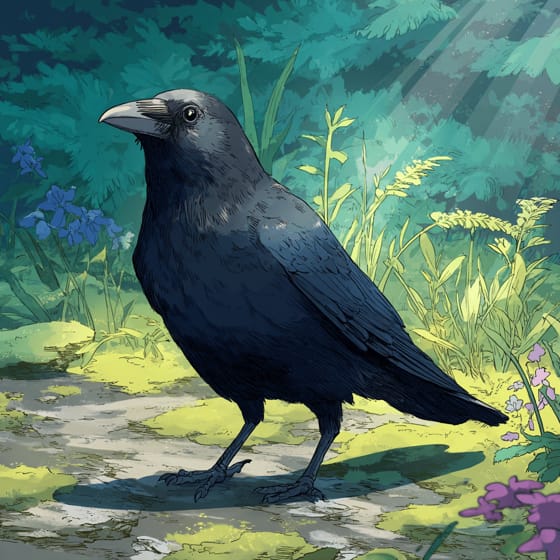
Corvus brachyrhynchos
Crows often prey on the adult beetles during their active season.

Poa pratensis
The larvae (white grubs) feed on the roots of this common grass.
Quercus garryana
Larvae can damage the roots of oak trees within their range.
Marked with parallel bands or lines of color.
Colorful describes organisms or objects displaying a wide range of bright and distinct colors.
This trait characterizes organisms whose diet consists entirely or primarily of plant material.
Describes organisms that break down dead organic material, recycling nutrients back into the ecosystem.

This trait identifies organisms that exhibit exceptional swiftness in movement for hunting, escape, or travel.

This habitat trait indicates species that can coexist with humans in urban and suburban environments, utilizing man-made structures and green spaces.

Nocturnal animals are primarily active during the nighttime hours, typically resting or sleeping during the day.

Describes organisms that transfer pollen, enabling the fertilization and reproduction of plants.
No aliases listed yet.
Danger
1/5 · Very low
These beetles are harmless, but it's best to watch them from a distance.
The easiest way to identify Ten-lined June Beetle is to use the Snappit nature identifier app.
50-70 mm
25-35 mm
30-60 days
15 km/h
Larvae eat plant roots underground; adults feed on tree leaves or don't eat much.
Urban areas, Gardens
Foraging
Zoom in to split clusters and explore where this object has been snapped.

Colorado, US
You might spot Eastern Fox Squirrel, Bee, and Duck.
View guide →

Nebraska, US
You might spot Showy Milkweed and Straight-Lined Wave.
View guide →

New Mexico, US
You might spot Duck, Greater Roadrunner, and American Robin.
View guide →

California, US
You might spot Sunburst Anemone, Western Gull, and Giant Coreopsis.
View guide →

Colorado, US
You might spot Rocky Mountain Beeplant and Plains Pricklypear.
View guide →

Nebraska, US
You might spot Woodhouse's Toad, Monarch, and Spinystar.
View guide →
Take the discovery with you
Snap it with Snappit to identify it, learn what makes it special, and add the discovery to your collection.








.jpg&width=800)



