



Mule Deer

Great Sand Dunes National Park and Preserve is home to North America's tallest dunes.
Great Sand Dunes National Park and Preserve is home to North America's tallest dunes. This extraordinary landscape in Colorado offers a striking juxtaposition of vast sandy hills against the backdrop of the rugged Sangre de Cristo Mountains, creating a truly unique natural wonder. Formed over hundreds of thousands of years by prevailing winds, the dunes can reach heights of up to 750 feet, making them a breathtaking sight.
Beyond the iconic dune field, the park and preserve encompass a diverse array of ecosystems, including grasslands, wetlands, forests, and alpine tundra, fed by mountain streams like Medano Creek. Visitors can immerse themselves in this varied environment by hiking to the top of dunes like High Dune or the challenging Star Dune, or by experiencing the thrill of sandboarding and sand sledding down sandy slopes. The seasonal flow of Medano Creek, particularly its unique "surge flow" phenomenon in late spring, provides a refreshing contrast to the arid dunes and a popular spot for splashing.
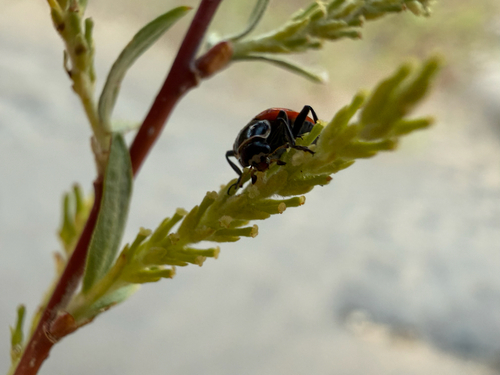
The allure of Great Sand Dunes extends beyond daytime activities; as an International Dark Sky Park, it offers unparalleled opportunities for stargazing, revealing the Milky Way in stunning clarity. This captivating blend of adventure, geological marvels, and rich biodiversity, including unique insects like the Great Sand Dunes Tiger Beetle and migratory Sandhill Cranes, promises a memorable experience for every visitor. Whether seeking solitude in the backcountry or family fun in the sand, the park invites exploration and leaves a lasting impression. Enhance your adventure: download the Snappit app to identify the local species you encounter.
The Great Sand Dunes region holds a long history of human presence, with archaeological evidence indicating nomadic hunter-gatherers inhabited the area as far back as 11,000 years ago, including groups using Clovis and Folsom points. Historic Native American tribes such as the Southern Ute, Apache, and Navajo also have cultural ties to this land. European and American explorers, including Zebulon Pike in 1807, traversed the area in the 18th and 19th centuries. The park's official protection began on March 17, 1932, when President Herbert Hoover designated the area as Great Sand Dunes National Monument. This action was largely spurred by local conservation efforts, particularly from a women's group, to safeguard the dunes from potential exploitation for gold mining and concrete manufacturing. In 2000, congressional legislation laid the groundwork for an expansion, and on September 24, 2004, the monument was redesignated as Great Sand Dunes National Park and Preserve. This expansion aimed to protect not just the dunes, but also the broader hydrological and ecological systems that contribute to their formation and the surrounding diverse habitats.
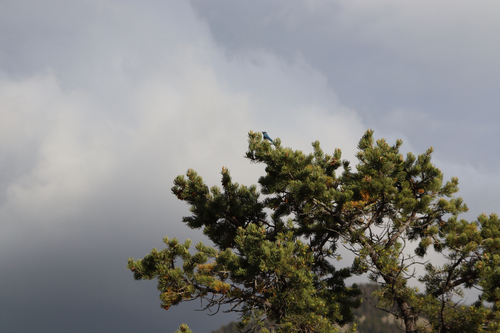
Hike the dunes, sandboard/sand sled, enjoy Medano Creek, photograph the unique landscape, go stargazing, drive the Medano Pass Primitive Road (4WD), attend ranger programs, explore the Montville Nature Loop Trail for a shaded hike, and visit nearby Zapata Falls. Wildlife viewing opportunities include elk, mule deer, and diverse bird species.
Spring: Medano Creek usually begins flowing in April, reaching peak flow in late May/early June. Temperatures are mild, but high winds can occur in the afternoon.
Summer: Air temperatures are moderate, but sand surface temperatures can reach 150°F (66°C) midday, requiring early morning or late afternoon dune visits. Afternoon thunderstorms are common.
Fall: Generally mild temperatures, excellent for dune exploration and viewing autumn foliage in the mountains. Sandhill Cranes migrate through the area.
Winter: Cold temperatures, with snow covering the dunes, creating a unique visual. Fewer crowds, but sandboarding/sledding may be difficult if the sand is frozen.
The park provides an accessible mat from the Dunes Parking Area to the edge of Medano Creek and the sand. Visitors can reserve free balloon-tire wheelchairs to explore the dunes, though a strong helper is needed. Accessible campsites are available at Piñon Flats Campground, and most ranger programs are designed to be accessible.
Climb North America's tallest sand dunes, including the prominent High Dune and the more remote Star Dune.
Wade, splash, or float in the seasonal creek at the base of the dunes, famous for its "surge flow" phenomenon.
Rent specialized boards or sleds and slide down the dunes for an exhilarating experience.
Witness incredible dark skies, often with views of the Milky Way, especially on moonless nights.
Each card links to a full Explore page with photos, traits, and fun facts.
Start with the big picture, then zoom in to explore individual wildlife observations around this place.
Protect Your Feet
Wear closed-toe shoes on the dunes, especially during warmer months, as sand surface temperatures can reach up to 150°F (66°C) and cause burns.
Hydrate and Protect from Sun
Bring significantly more water than you think you'll need, along with sunscreen, a wide-brimmed hat, and sunglasses, as the high altitude and reflective sand amplify sun exposure.
Rent Sand Gear Locally
If you plan to sandboard or sand sled, rent equipment from shops located just outside the park, such as the Oasis Store or Kristi Mountain Sports in Alamosa, as the park itself does not rent them.
Visit Dunes Early or Late
To avoid the midday heat, strong winds, and potential afternoon thunderstorms during summer, plan your dune activities for early morning or late afternoon/evening.
Check Medano Creek Conditions
If playing in Medano Creek is a priority, check the park's website for current flow conditions, as it is seasonal and varies year to year. Peak flow is typically late May to early June.
Stay for Stargazing
As an International Dark Sky Park, Great Sand Dunes offers spectacular night sky views. Consider staying overnight in the campground or nearby to experience it.
Jun 4, 2026
Photo attribution
(c) Coryn Fox Corvus, some rights reserved (CC BY)
License: CC BY 4.0 ↗
Image may be shown cropped inside the card frame.
May 28, 2026
Photo attribution
(c) Coryn Fox Corvus, some rights reserved (CC BY)
License: CC BY 4.0 ↗
Image may be shown cropped inside the card frame.
May 28, 2026
Photo attribution
(c) Coryn Fox Corvus, some rights reserved (CC BY)
License: CC BY 4.0 ↗
Image may be shown cropped inside the card frame.
May 25, 2026
Photo attribution
(c) Coryn Fox Corvus, some rights reserved (CC BY)
License: CC BY 4.0 ↗
Image may be shown cropped inside the card frame.
May 25, 2026
Photo attribution
(c) Coryn Fox Corvus, some rights reserved (CC BY)
License: CC BY 4.0 ↗
Image may be shown cropped inside the card frame.

Maryland, US
You might spot White-Tailed Deer and Eastern Gray Squirrel.
View guide →
.jpg)
District of Columbia, US
You might spot Eastern Gray Squirrel, Duck, and House Sparrow.
View guide →

Illinois, US
You might spot American Robin, Canada Goose, and House Sparrow.
View guide →

Virginia, US
You might spot Spotted Lanternfly and Northern Cardinal.
View guide →
Take the discovery with you
Identify the wildlife you spot, learn as you go, and keep a collection of the adventure.