





Tessellated Water Snake
Natrix tessellata
The Tessellated Water Snake is a smooth, non-venomous snake that loves to swim! It has beautiful patterns that help it blend in with the water and plants around it.
Habitat: Wetlands
The Tessellated Water Snake has a slender body, typically grey, olive, or brownish, marked with a distinctive checkerboard-like pattern of dark, square spots. Its underside is usually yellowish with scattered dark blotches. This unique pattern helps it camouflage in rocky riverbeds.
Category
ReptilesRarity
Common
Danger
1/5 · Very low
Snaps
Be the first to snap!
Female water snakes are often much larger than males.
These snakes can shed their skin several times a year.
They sometimes bask on tree branches overhanging water.
They're non-venomous, making them harmless to humans!
Tessellated Water Snake can release a smelly musk because of glands near its tail that deters predators when it feels threatened.
Tessellated Water Snake has a special ability to play dead (thanatosis) that helps them trick predators into thinking they are no longer a threat.
Tessellated Water Snake has a streamlined body and powerful tail that helps them swim quickly through water to catch agile fish.
This snake is a skilled underwater hunter, mostly eating fish but also enjoying frogs!
Age differences: Young snakes tend to eat smaller prey like tadpoles and very small fish.
Gobio gobio
A common small fish preyed upon by the snake.
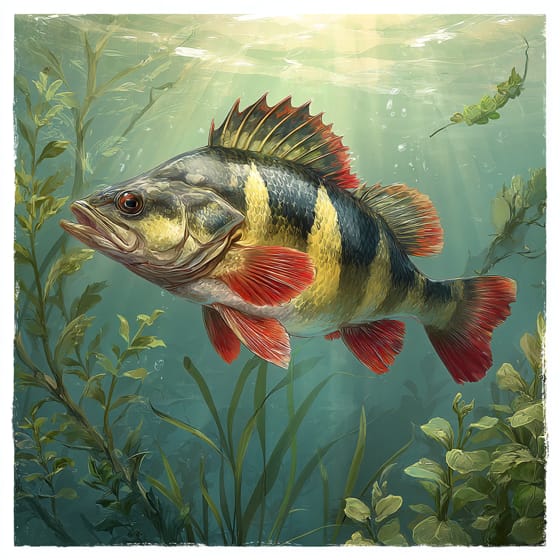
Perca fluviatilis
Another fish species that the water snake commonly hunts.
.jpg&width=800)
Circus aeruginosus
A bird of prey that can hunt these snakes.
Lutra lutra
An aquatic mammal that preys on water snakes.
.jpg&width=800)
Ardea cinerea
A large wading bird that can catch and eat snakes.
Solitary animals live alone for most of their lives, only interacting with others for mating or parental care.
Camouflaged describes organisms that possess coloring or patterns that allow them to blend into their environment.
Piscivorous organisms are animals that primarily subsist on a diet of fish.
This habitat trait identifies species found in wetlands, which are areas of land saturated with water, either permanently or seasonally, including marshes, swamps, and bogs.

This trait identifies organisms whose diet consists entirely or primarily of animal tissue.

Diurnal animals are primarily active during daylight hours, typically resting or sleeping at night.

Freshwater habitats include non-saline aquatic environments such as rivers, lakes, ponds, and wetlands, vital for numerous species.
No aliases listed yet.
Danger
1/5 · Very low
If you see a snake, it's best to watch from a distance and not touch it.
The easiest way to identify Tessellated Water Snake is to use the Snappit nature identifier app.
50-130 cm
0.2-1.5 kg
8-15 years
This snake is a skilled underwater hunter, mostly eating fish but also enjoying frogs!
7 km/h
Wetlands
Ambush
Zoom in to split clusters and explore where this object has been snapped.
Recent snaps will appear here as new observations are added.
Take the discovery with you
Snap it with Snappit to identify it, learn what makes it special, and add the discovery to your collection.














