.jpg&width=800)





American Boas
Boinae
American Boas are large snakes that can be found in many places. They are known for their beautiful patterns and strong bodies. These snakes like to climb trees and can be very good at hiding.
Habitat: Forests
The American Boas have muscular, often heavy-bodied frames with diverse patterns of blotches, spots, or stripes in earthy tones of brown, tan, and black. Their markings provide excellent camouflage, and some species exhibit iridescent scales, appearing different colors in varying light.
Category
ReptilesRarity
Common
Danger
3/5 · Moderate
Snaps
Be the first to snap!
American Boas have thousands of tiny, backward-pointing teeth to hold onto slippery prey!
Some American Boas can stretch their jaws incredibly wide to swallow animals bigger than their head!
Their forked tongue 'tastes' the air, picking up scents to find food or sense danger!
They can go months without eating after a big meal, patiently waiting for their next hunt!
American Boas can constrict their prey because of incredibly powerful muscles that help them squeeze tight until the prey can no longer breathe.
American Boas have special heat-sensing pits, allowing them to 'see' warm-blooded prey in total darkness, which helps them hunt at night.
American Boas has a unique reproductive strategy, giving birth to live young instead of laying eggs, which helps their babies survive better.
American Boas have intricate patterns and colors on their skin that help them blend perfectly into their surroundings, hiding from both predators and prey.
These powerful constrictors are carnivores, eating a variety of animals they can overpower.
Age differences: null
Cuniculus paca
A common prey item for larger boas.
Dasypus novemcinctus
Eaten by larger American boas in their range.

Rattus rattus
A primary food source for many species of American Boas.
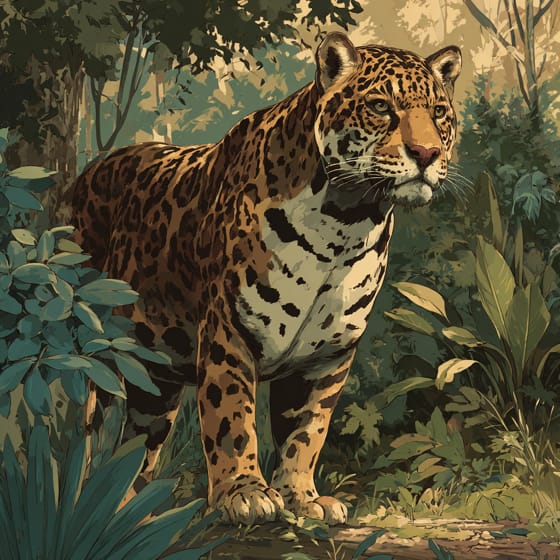
Panthera onca
Large jaguars can prey on adult boas, especially anacondas.
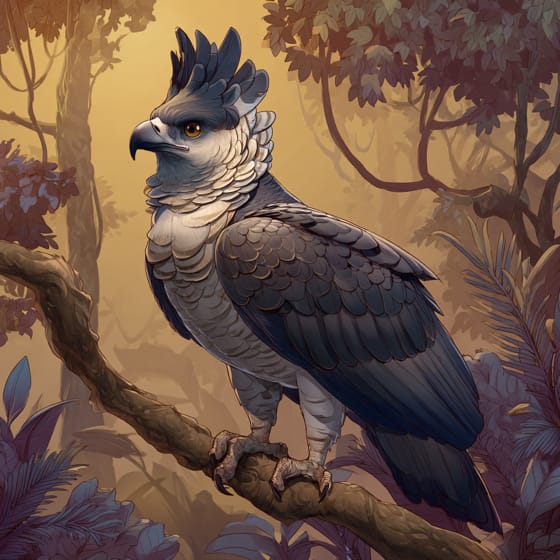
Harpia harpyja
Juvenile and smaller boas can be prey for this powerful raptor.
Marked with spots or patches of a different color.
Solitary animals live alone for most of their lives, only interacting with others for mating or parental care.
Arboreal animals live primarily in trees, utilizing them for shelter, food, and protection from predators.
Colorful describes organisms or objects displaying a wide range of bright and distinct colors.

An ambush predator hunts by patiently waiting and concealing itself, then launching a sudden attack when unsuspecting prey comes within range.

Forest habitats are terrestrial environments dominated by dense tree cover, supporting a high diversity of plant and animal life.

This trait identifies organisms whose diet consists entirely or primarily of animal tissue.
No aliases listed yet.
Danger
3/5 · Moderate
If you see a snake in the wild, it's best to watch from a distance and not touch it.
The easiest way to identify American Boas is to use the Snappit nature identifier app.
150-900 cm
10-250 kg
20-30 years
2.5 km/h
These powerful constrictors are carnivores, eating a variety of animals they can overpower.
8 km/h
Forests
Zoom in to split clusters and explore where this object has been snapped.
Recent snaps will appear here as new observations are added.
Take the discovery with you
Snap it with Snappit to identify it, learn what makes it special, and add the discovery to your collection.













