.jpg&width=800)





Grey Heron
Ardea cinerea
The Grey Heron is a tall bird with long legs and a sharp beak. It loves to stand still by the water, waiting for fish to swim by so it can catch a tasty meal!
Habitat: Wetlands
The Grey Heron is a tall, slender bird with a grey back and wings, a white head and neck, and distinctive black stripes extending from its eyes. It has long, yellowish legs and a sharp, yellow bill. Its S-shaped neck often gives it a unique hunched posture.
Category
BirdsRarity
Common
Danger
2/5 · Low
Snaps
3
Grey Herons can swivel their heads 180 degrees to spot danger or prey all around!
Grey Herons sometimes steal fish from otters or other birds, called kleptoparasitism!
Sometimes, they use bread crusts or insects as bait to lure fish closer!
Their harsh, croaking 'fraaank' call is often heard high above as they fly.
Grey Heron can stand motionless for ages to surprise fish, thanks to incredible patience and camouflage.
Grey Heron has a uniquely S-shaped neck that allows a lightning-fast strike to catch prey.
Grey Heron produces special powder-down feathers that help clean fish slime from its plumage.
Grey Herons are expert hunters who mainly eat fish, but they also enjoy other small animals.
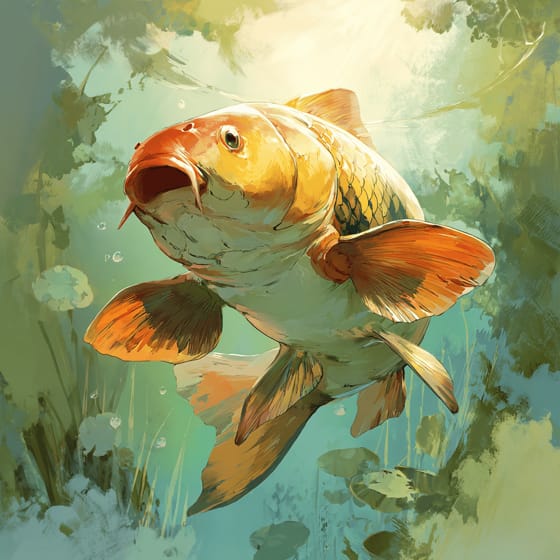
Cyprinus carpio
Main prey species in many freshwater habitats.
Rana temporaria
Often catches frogs in shallow waters and wetlands.
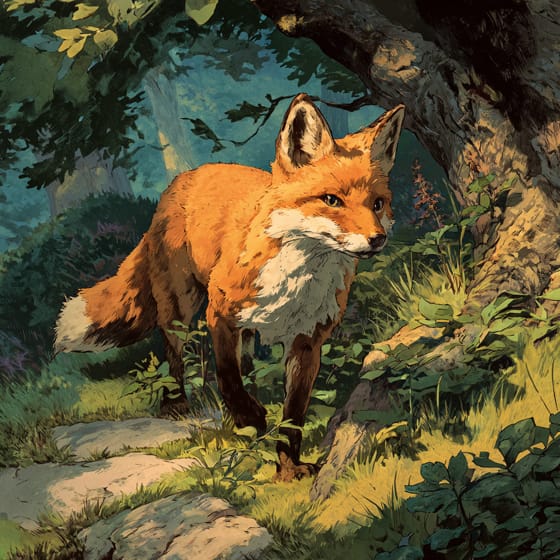
Vulpes vulpes
Foxes may prey on heron eggs, chicks, or even juveniles in nests.
Feathered describes animals, primarily birds, possessing a covering of feathers.
Solitary animals live alone for most of their lives, only interacting with others for mating or parental care.
Aerial creatures spend a significant portion of their lives airborne, utilizing flight for various activities such as hunting, migration, or nesting.
Piscivorous organisms are animals that primarily subsist on a diet of fish.

An ambush predator hunts by patiently waiting and concealing itself, then launching a sudden attack when unsuspecting prey comes within range.

This habitat trait identifies species found in wetlands, which are areas of land saturated with water, either permanently or seasonally, including marshes, swamps, and bogs.

This trait identifies organisms whose diet consists entirely or primarily of animal tissue.

Diurnal animals are primarily active during daylight hours, typically resting or sleeping at night.

Describes a species whose presence and role have a disproportionately large effect on its environment.

Migratory animals undertake seasonal movements from one region to another, typically in response to changes in climate or food availability.
No aliases listed yet.
Danger
2/5 · Low
Keep a safe distance and watch quietly, so you don't scare the heron away.
The easiest way to identify Grey Heron is to use the Snappit nature identifier app.
90-100 cm
175-195 cm
1-2.5 kg
5-15 years
50 km/h
Grey Herons are expert hunters who mainly eat fish, but they also enjoy other small animals.
Wetlands
Zoom in to split clusters and explore where this object has been snapped.
.jpg)
Municipal District of Cobh, IE
You might spot Ring-Tailed Lemur, Giraffes, and Cheetahs.
View guide →
.jpg)
Ústí nad Labem Region, CZ
You might spot Bears, South American Tapir, and Macaques.
View guide →
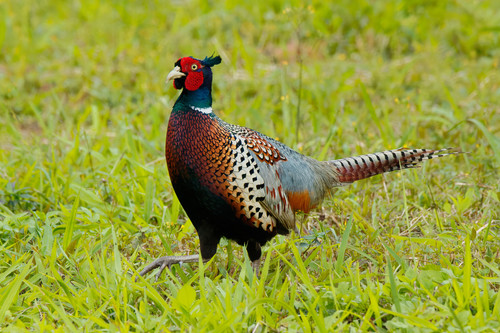
England, UK
You might spot Ring-Necked Pheasant, Goose, and Eurasian Coot.
View guide →
Take the discovery with you
Snap it with Snappit to identify it, learn what makes it special, and add the discovery to your collection.




.jpg&width=800)






