.jpg&width=800)





Western Marsh Harrier
Circus aeruginosus
The Western Marsh Harrier is a beautiful bird of prey that loves to soar over wetlands. With its long wings and tail, it glides gracefully while searching for food like small animals and fish.
Habitat: Wetlands
The Western Marsh Harrier is a large, slender raptor with long wings. Males have a striking rufous-brown body with grey flight feathers and black wingtips. Females are darker brown with creamy-pale heads and forewings, often featuring a distinct dark eye-mask.
Category
BirdsRarity
Common
Danger
1/5 · Very low
Snaps
Be the first to snap!
Marsh Harriers were once very rare but have made an incredible comeback!
These smart birds sometimes 'cache' or hide extra food to eat later!
They often build their nests on the ground, cleverly hidden deep in tall reeds!
Unlike many raptors, males and females look quite different, making them unique!
Western Marsh Harriers can fly low and silently over reeds because their light body and broad wings allow for buoyant, stealthy hunting.
Western Marsh Harriers have keen eyesight that helps them spot hidden prey, like frogs and voles, even in dense marsh vegetation.
Western Marsh Harriers can swiftly snatch prey from water or dense reeds because of their long legs and agile flight.
These fierce hunters eat small mammals, birds, frogs, fish, and insects found in their wetland homes.
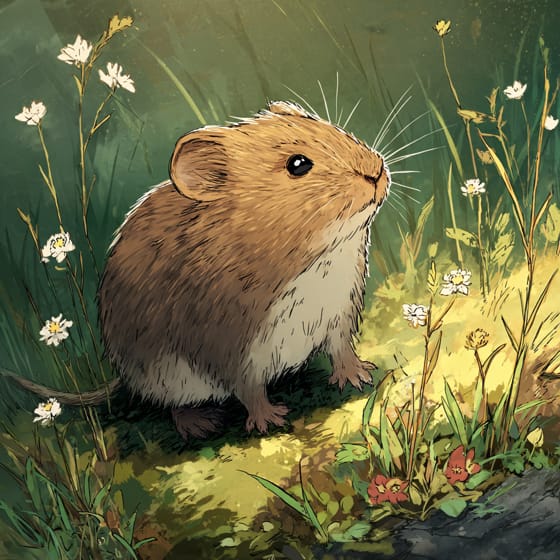
Microtus arvalis
A key prey item in many habitats.
Anas platyrhynchos
Often preys on ducklings and juveniles.

Phragmites australis
Provides crucial nesting habitat.
Rana temporaria
A common amphibian part of their diet.
Feathered describes animals, primarily birds, possessing a covering of feathers.
Solitary animals live alone for most of their lives, only interacting with others for mating or parental care.
Gliding animals move through the air by launching themselves and maintaining flight with specialized body structures, without flapping wings.
An ambush predator hunts by patiently waiting and concealing itself, then launching a sudden attack when unsuspecting prey comes within range.

This habitat trait identifies species found in wetlands, which are areas of land saturated with water, either permanently or seasonally, including marshes, swamps, and bogs.

This trait identifies organisms whose diet consists entirely or primarily of animal tissue.

Diurnal animals are primarily active during daylight hours, typically resting or sleeping at night.

Migratory animals undertake seasonal movements from one region to another, typically in response to changes in climate or food availability.

Endangered status indicates a species is at a very high risk of extinction in the wild in the near future.
No aliases listed yet.
Danger
1/5 · Very low
Always watch birds from a distance and don't disturb their nests.
The easiest way to identify Western Marsh Harrier is to use the Snappit nature identifier app.
48-62 cm
115-140 cm
0.4-0.8 kg
8-20 years
60 km/h
These fierce hunters eat small mammals, birds, frogs, fish, and insects found in their wetland homes.
Wetlands
Zoom in to split clusters and explore where this object has been snapped.
Recent snaps will appear here as new observations are added.
Take the discovery with you
Snap it with Snappit to identify it, learn what makes it special, and add the discovery to your collection.




.jpg&width=800)






