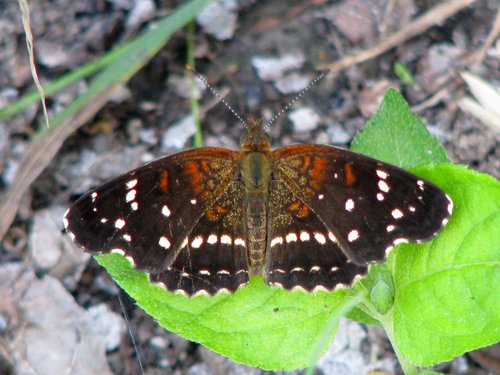


Texan Crescent
anthanassa texana
The Texan Crescent (Anthanassa texana) is a vibrant and relatively common butterfly species, well-regarded for its striking orange and black wing patterns. Belonging to the brush-footed butterfly family Nymphalidae, these agile insects are a familiar sight in various open, sunny habitats across their range. They play a vital role as pollinators in their ecosystems, flitting from flower to flower to collect nectar, while their larvae contribute to nutrient cycling by feeding on specific host plants. This species embodies the intricate beauty and ecological importance of butterflies, offering both aesthetic pleasure and a subject for ecological study. Its presence often signifies a healthy, diverse floral environment, and its relatively short adult lifespan of a few weeks is dedicated to reproduction and foraging.
Habitat: Found in a variety of open, sunny habitats including arid scrublands, chaparral, open woodlands, meadows, pastures, roadsides, and suburban gardens.
The Texan Crescent features a distinctive orange and black checkerboard pattern across its wings. The dorsal (upper) side is predominantly orange with bold black lines forming a reticulated pattern, particularly pronounced on the forewings. The hindwings also display orange with black markings and often a submarginal row of black dots, sometimes with white centers. The ventral (underside) is similarly patterned but often paler, with the hindwings typically showing a prominent pale crescent mark, giving the butterfly its common name. Its body is slender and dark, complementing its intricate wing coloration. It's a small to medium-sized butterfly, with a wingspan ranging from approximately 3 to 4.5 centimeters.
Category
InsectsRarity
Common
Danger
1/5 · Very low
Snaps
1
Female Texan Crescents typically lay their eggs in clusters on the undersides of host plant leaves.
Texan Crescents are strong, erratic fliers, making them quite challenging to capture or photograph mid-flight.
The 'crescent' in its name refers to a distinct crescent-shaped mark often visible on the underside of its hindwings.
Their larvae are known to feed on plants in the Asteraceae family, particularly various ragweed species, which often contain compounds that deter predators.
Larvae of the Texan Crescent sequester defensive chemicals from their host plants, particularly ragweeds, making them unpalatable to some predators.
The Texan Crescent can produce several generations within a single year, especially in warmer climates, allowing for quick population recovery and expansion.
Adults exhibit swift and erratic flight patterns, enabling them to efficiently visit numerous flowers for nectar while evading predators.
Adult Texan Crescents primarily feed on nectar from various flowering plants to fuel their flight and reproduction, while their larvae are herbivorous, consuming the leaves of specific host plants.
Age differences: Larvae feed on plant leaves, accumulating energy and nutrients for pupation. Adults primarily consume nectar for energy to fly and reproduce.

Ambrosia artemisiifolia
Larval host plant, providing food and defensive compounds.
Croton capitatus
Larval host plant, providing food.
Cirsium spp.
Adult food source, providing nectar and facilitating pollination.
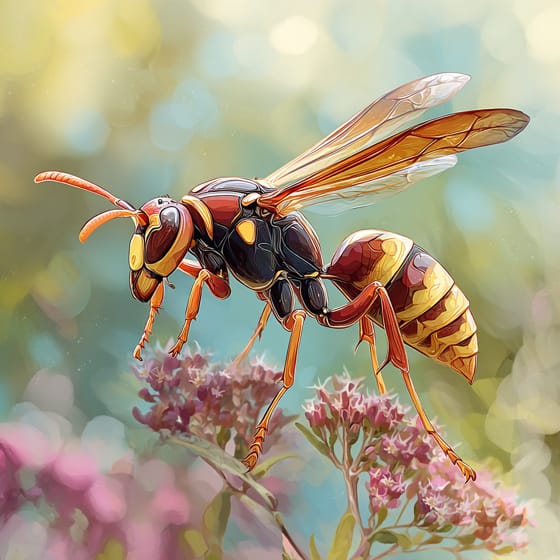
Polistes spp.
Predator of caterpillars, consuming larvae.
No trait badges are assigned for this object yet.
No aliases listed yet.
Collections for this object will appear here as more themes are added.
Danger
1/5 · Very low
No special safety notes yet.
The easiest way to identify Texan Crescent is to use the Snappit nature identifier app.
1-2 cm
3-4 cm
0.0001-0.0003 kg
0 years
Adult Texan Crescents primarily feed on nectar from various flowering plants to fuel their flight and reproduction, while their larvae are herbivorous, consuming the leaves of specific host plants.
Found in a variety of open, sunny habitats including arid scrublands, chaparral, open woodlands, meadows, pastures, roadsides, and suburban gardens.
Foraging (adults), Grazing (larvae)
Zoom in to split clusters and explore where this object has been snapped.
Take the discovery with you
Snap it with Snappit to identify it, learn what makes it special, and add the discovery to your collection.














.jpg&width=800)




