





Long Dash
limochores mystic
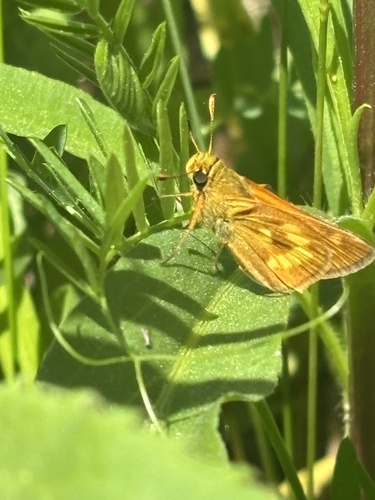
The Long Dash is a lively little insect that loves to flit around flowers! With its vibrant colors and swift movements, it’s always a delight to spot in the garden.
Habitat: Long Dashes prefer sunny gardens and meadows filled with flowers.
The Long Dash is a medium-sized skipper with dark brown wings, often showing subtle orange or yellowish-brown markings. Males are distinguished by a prominent, elongated dark streak (the 'stigma') on their forewings. Its robust body and large eyes give it a moth-like appearance, differentiating it from other butterflies.
Category
InsectsRarity
Common
Danger
0/5 · No known danger
Snaps
7
Adults visit many different wildflowers, acting as important pollinators for meadows and marshes.
Its name, Long Dash, comes from the male's distinct dark streak and its incredibly swift flight.
Long Dash caterpillars eat specific wetland grasses, making them very picky eaters!
Skippers have hooked antennae, making them look like a cool mix between moths and butterflies!
Long Dash can dart quickly through the air because of its powerful wings that help it evade predators and find flowers fast.
Long Dash has a long, coiled proboscis that helps them reach sweet nectar deep inside tall flowers.
Long Dash caterpillars can roll up leaves to create a hidden shelter, protecting them from hungry birds.
The Long Dash has a thick, furry body that helps them retain warmth, making them active even on cooler days.
Adult Long Dashes drink flower nectar, while their caterpillars munch on wetland grasses.
Age differences: Adults consume nectar; larvae graze on plant leaves.
_-_Guelph%2C_Ontario.jpg&width=800)
Asclepias incarnata
Drinks nectar, helps spread pollen.
Impatiens capensis
Nectars on flowers, aids plant growth.
Carex bebbii
Caterpillars munch on its leaves.
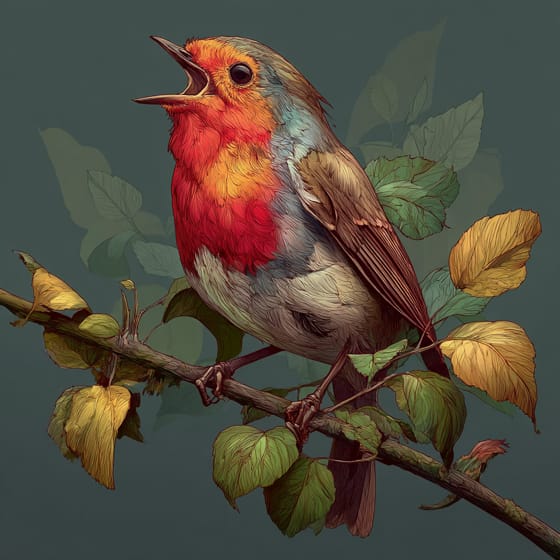
Turdus migratorius
A tasty meal for hungry birds.
Social animals live in organized groups, cooperating for survival benefits such as foraging, defense, and raising offspring.
Colorful describes organisms or objects displaying a wide range of bright and distinct colors.
This trait characterizes organisms whose diet consists entirely or primarily of plant material.
Diurnal animals are primarily active during daylight hours, typically resting or sleeping at night.

Describes organisms that transfer pollen, enabling the fertilization and reproduction of plants.
Danger
0/5 · No known danger
No special safety notes yet.
The easiest way to identify Long Dash is to use the Snappit nature identifier app.
30-45 mm
25-35 mm
14-28 days
20 km/h
Adult Long Dashes drink flower nectar, while their caterpillars munch on wetland grasses.
Long Dashes prefer sunny gardens and meadows filled with flowers.
Foraging
Zoom in to split clusters and explore where this object has been snapped.
Jun 4, 2026
Brattleboro Downtown Historic DistrictPhoto attribution
(c) kevinhemeon, some rights reserved (CC BY)
License: CC BY 4.0 ↗
Image may be shown cropped inside the card frame.

Vermont, US
You might spot Asian Bittersweet, Alder Buckthorn, and Eastern Newt.
View guide →

Michigan, US
You might spot Bladder Campion, Bearberry, and Common Milkweed.
View guide →

New Hampshire, US
You might spot Creek Chub, Eastern Newt, and Moose.
View guide →

Connecticut, US
You might spot Striped Wintergreen and Partridgeberry.
View guide →

New Hampshire, US
You might spot Multiflora Rose, Asian Bittersweet, and Common Milkweed.
View guide →

Massachusetts, US
You might spot Eastern Newt, Admiral Butterfly, and Bluebead Lily.
View guide →
Take the discovery with you
Snap it with Snappit to identify it, learn what makes it special, and add the discovery to your collection.







.jpg&width=800)



