





common ragweed
Ambrosia artemisiifolia
Common ragweed is a tall plant with green, jagged leaves and tiny green flowers. It grows in many places and is known for its ability to spread quickly in gardens and fields.
Habitat: Urban areas
The common ragweed has fern-like, deeply lobed leaves that are hairy and grey-green, often lighter underneath. Its inconspicuous greenish-yellow flowers grow in slender spikes at the top of the plant and branch tips. This makes it look less showy than many other plants blooming in late summer.
Category
PlantsRarity
Common
Danger
2/5 · Low
Snaps
11
A single ragweed plant can produce over a billion pollen grains in one season!
Despite its commonness, the name 'Ambrosia' comes from Greek myths meaning 'food of the gods'!
Its super tough seeds can wait in the soil for over 80 years before finally sprouting!
Ragweed pollen is one of the leading causes of hay fever, making many people sneeze in autumn!
Common ragweed produces billions of tiny, lightweight pollen grains that can travel for miles, helping it spread far and wide.
Its seeds are incredibly tough, capable of staying dormant and viable in the soil for decades, ready to sprout when conditions are right.
This plant quickly colonizes disturbed soil, such as construction sites or fields, making it a master of taking over bare ground.
Zygogramma suturalis
Adults and larvae feed on ragweed leaves.
Papaipema nebris
Larvae bore into and feed on the stems of ragweed plants.
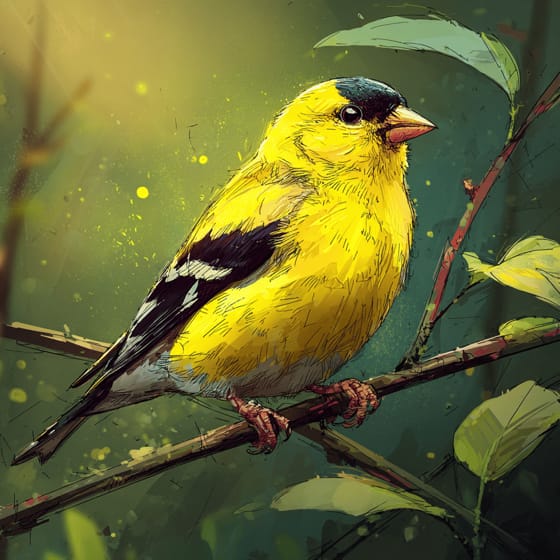
Carduelis tristis
These birds often feed on the seeds of common ragweed.
Deciduous plants periodically shed all their leaves, typically during autumn or dry seasons.
Flowering plants are any plants that produce flowers as part of their reproductive cycle.
Medicinal plants possess chemical compounds that can be used for therapeutic purposes to treat illnesses or maintain health.
Describes plants that are particularly attractive and beneficial to a wide range of pollinating organisms.

Rapid growing plants exhibit accelerated growth rates, quickly increasing in size and biomass within a short period.

This habitat trait indicates species that can coexist with humans in urban and suburban environments, utilizing man-made structures and green spaces.

Invasive species are non-native organisms that cause harm to the environment, economy, or human health.
No aliases listed yet.
Danger
2/5 · Low
If you see ragweed, don't touch it too much because it can make some people sneeze.
The easiest way to identify common ragweed is to use the Snappit nature identifier app.
10-250 cm
30-100 cm
0.2-0.5 cm
Summer-fall
No
None
Annual
Zoom in to split clusters and explore where this object has been snapped.

New York, US
You might spot Sundial Lupine, Spotted Horsemint, and New Jersey Tea.
View guide →

New York, US
You might spot American Toad and Intermediate Wood Fern.
View guide →

Rhode Island, US
You might spot Common Eastern Bumble Bee and Asian Lady Beetle.
View guide →

Rhode Island, US
You might spot White-Tailed Deer, Great Egret, and Duck.
View guide →

Georgia, US
You might spot Eastern Gray Squirrel, Domestic Cat, and American Robin.
View guide →

Rhode Island, US
You might spot White-Tailed Deer and Common Eastern Bumble Bee.
View guide →
Take the discovery with you
Snap it with Snappit to identify it, learn what makes it special, and add the discovery to your collection.







.jpg&width=800)


_001.jpg&width=800)




