





Meadow Plant Bug
Leptopterna dolabrata
The Meadow Plant Bug is a small, green insect that loves to live in grassy areas. It has a special way of blending in with plants, making it hard to spot!
Habitat: Grasslands
The Meadow Plant Bug is slender, typically greenish-yellow to brownish, with long antennae. Its forewings often show dark, membranous tips, making it visually distinct from solid green leafhoppers.
Category
InsectsRarity
Common
Danger
1/5 · Very low
Snaps
5
Females lay tiny eggs inside plant stems, keeping them safe through winter!
Meadow Plant Bugs are important food for many small garden birds!
Often called 'grass bugs' because they thrive on many kinds of grasses!
Their antennae are super sensors, helping them feel around in the dark!
Meadow Plant Bug has perfect camouflage, blending with grass and leaves to hide from predators using its green or brown body.
Meadow Plant Bug has a straw-like mouthpart that helps them pierce plant stems and sip sugary sap.
Meadow Plant Bug can jump surprising distances using its powerful back legs that helps them escape danger quickly.
This bug sips sweet plant juices using a special straw-like mouth!
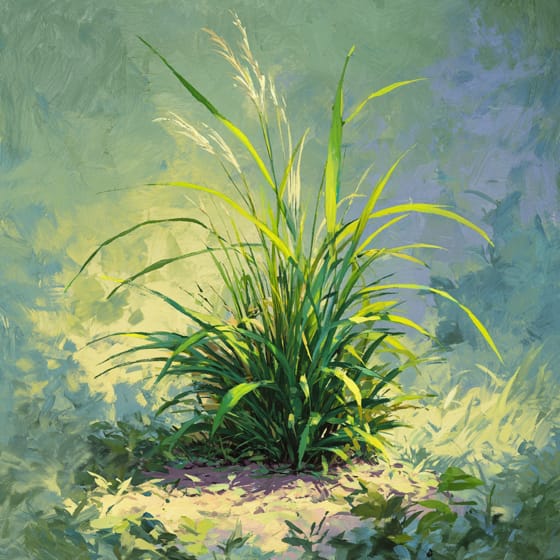
Poa pratensis
Eats sap from this common grass species.

Triticum aestivum
Feeds on sap from this important cereal crop.
Araneus diadematus
A common garden predator that often preys on insects like this.
%2C_Parc_de_Woluw%C3%A9%2C_Brussels_(13042792905).jpg&width=800)
Parus major
A widespread bird that includes insects in its diet.
Solitary animals live alone for most of their lives, only interacting with others for mating or parental care.
Camouflaged describes organisms that possess coloring or patterns that allow them to blend into their environment.
Grassland habitats are terrestrial biomes dominated by grasses and herbaceous plants, supporting a variety of grazing animals.
This trait characterizes organisms whose diet consists entirely or primarily of plant material.

Describes plants that are particularly attractive and beneficial to a wide range of pollinating organisms.

Diurnal animals are primarily active during daylight hours, typically resting or sleeping at night.

This trait identifies organisms that exhibit exceptional swiftness in movement for hunting, escape, or travel.

Describes organisms that transfer pollen, enabling the fertilization and reproduction of plants.
No aliases listed yet.
Danger
1/5 · Very low
It's safe to look at bugs, but remember not to touch them unless you know they are friendly.
The easiest way to identify Meadow Plant Bug is to use the Snappit nature identifier app.
12-20 mm
6-10 mm
15-30 days
This bug sips sweet plant juices using a special straw-like mouth!
Grasslands
Foraging
6
Zoom in to split clusters and explore where this object has been snapped.

Connecticut, US
You might spot Downy Woodpecker and Eastern Gray Squirrel.
View guide →

Massachusetts, US
You might spot Hemlock Woolly Adelgid, Eastern Newt, and Red Trillium.
View guide →

New Jersey, US
You might spot Mountain Laurel, Eastern Skunk Cabbage, and Poison Sumac.
View guide →

Vermont, US
You might spot American Robin and Black-Capped Chickadee.
View guide →

Vermont, US
You might spot American Robin and Black-Capped Chickadee.
View guide →
Take the discovery with you
Snap it with Snappit to identify it, learn what makes it special, and add the discovery to your collection.






.jpg&width=800)




