




Texas Systena
systena gracilenta
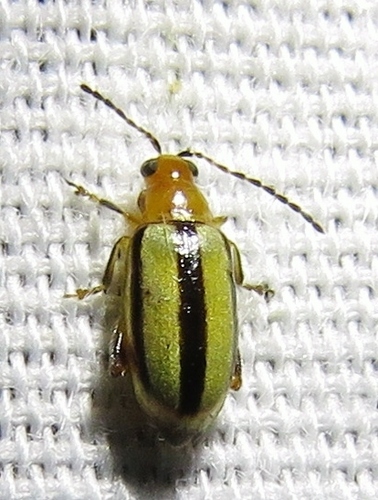
The Texas Systena is a small beetle that loves to munch on plants! With its shiny green body, it sparkles in the sunlight as it crawls around gardens and fields.
Habitat: Texas Systena live in gardens, fields, and areas with plenty of plants.
The Texas Systena is a tiny, oval-shaped beetle with a shiny body, typically ranging from yellowish-brown to reddish-brown. Its most striking visual difference from other small beetles is its noticeably thick and muscular hind legs, built for powerful jumps.
Category
InsectsRarity
Common
Danger
0/5 · No known danger
Snaps
Be the first to snap!
Even its babies, called larvae, live underground and feast on plant roots!
It's a type of flea beetle, named for its amazing jumping skills, not for being a flea!
Some Texas Systena beetles can even "play dead" by freezing still when danger is near!
When threatened, this tiny beetle can jump so far it's like a person leaping over a skyscraper!
Texas Systena can launch itself into the air with a powerful jump, using its enlarged hind legs to escape predators quickly.
Texas Systena has specialized mouthparts that help them munch on tough plant leaves and stems, getting nutrients.
These little beetles mainly munch on leaves and stems of many different plants.
Age differences: Larvae feed on plant roots underground, while adults eat leaves and stems.

Argiope aurantia
Often caught in the webs of these orb-weaving spiders.
Helianthus annuus
Feeds on the leaves and sometimes flowers of sunflower plants.

Sitta carolinensis
A small bird that preys on various insects found on plants.
Amaranthus retroflexus
Known to feed on the leaves of these common weed plants.
Social animals live in organized groups, cooperating for survival benefits such as foraging, defense, and raising offspring.
Colorful describes organisms or objects displaying a wide range of bright and distinct colors.
This trait characterizes organisms whose diet consists entirely or primarily of plant material.
Diurnal animals are primarily active during daylight hours, typically resting or sleeping at night.
Describes organisms that transfer pollen, enabling the fertilization and reproduction of plants.
Danger
0/5 · No known danger
No special safety notes yet.
Look for hard wing covers meeting in a line down the back, then compare the antennae, body shape, legs and markings. Metallic colors shift a lot with lighting. Beetle Identifier: upload a photo and compare the visible details.
4-8 mm
2-4 mm
30-60 days
8 km/h
These little beetles mainly munch on leaves and stems of many different plants.
Texas Systena live in gardens, fields, and areas with plenty of plants.
Foraging
Zoom in to split clusters and explore where this object has been snapped.
Recent snaps will appear here as new observations are added.
Take the discovery with you
Snap it with Snappit to identify it, learn what makes it special, and add the discovery to your collection.