_-_London%2C_Ontario_2015-06-19.jpg&width=800)





Canadian Petrophila
Petrophila canadensis
The Canadian Petrophila is a special kind of moth that loves to flutter around near water. Its wings are beautiful and can be spotted in different colors, making it a lovely sight during summer evenings.
Habitat: Wetlands
The Canadian Petrophila is a small, delicate moth, typically sporting white to pale cream wings often adorned with subtle brown or grayish markings. Its wings usually have a satiny sheen, making it blend well near water, and its slender body is also pale.
Category
InsectsRarity
Common
Danger
1/5 · Very low
Snaps
4
Adult Canadian Petrophila moths have a very short lifespan, sometimes lasting only a few days.
Its caterpillars are fully aquatic and spend their entire larval stage underwater!
Some species of Petrophila larvae build tube-like shelters made of silk and plant debris.
Unlike most moths, its larvae eat algae, scraping it off rocks in rivers and streams.
Canadian Petrophila larvae can breathe underwater because they have special tracheal gills, allowing them to live and feed entirely submerged.
Canadian Petrophila larvae have strong legs and hooks that help them cling tightly to rocks and submerged plants, preventing them from being swept away by currents.
Canadian Petrophila larvae can spin silken cases or tunnels because they produce silk, which shelters them from predators and helps them feed safely.
Canadian Petrophila adults have tiny scales on their wings that repel water, helping them stay dry and fly effectively near humid aquatic environments.
Larvae munch on algae and tiny bits of plants found underwater.
Age differences: Larvae are aquatic herbivores, while adult moths typically have reduced mouthparts and do not feed.
Spirogyra fluctuata
Larvae feed on this filamentous algae found in water.
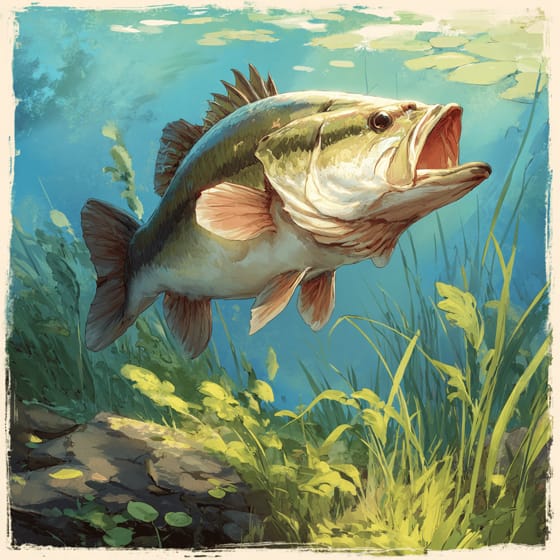
Micropterus salmoides
Fish readily consume the aquatic larvae and pupae.
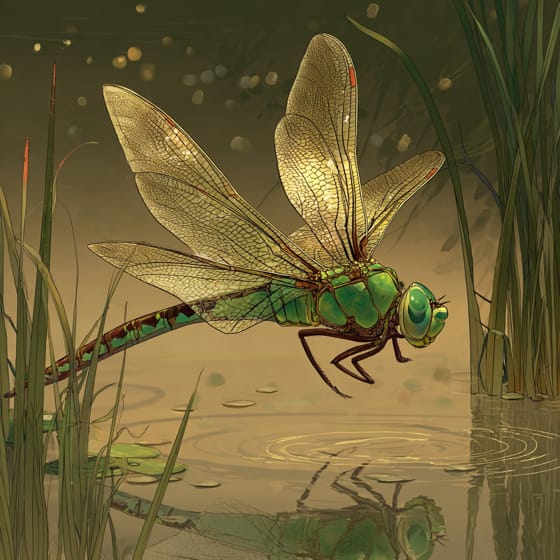
Anax junius
Dragonfly nymphs hunt aquatic larvae.
Aerial creatures spend a significant portion of their lives airborne, utilizing flight for various activities such as hunting, migration, or nesting.
Colorful describes organisms or objects displaying a wide range of bright and distinct colors.
This trait characterizes organisms whose diet consists entirely or primarily of plant material.
Describes plants that are particularly attractive and beneficial to a wide range of pollinating organisms.

This habitat trait identifies species found in wetlands, which are areas of land saturated with water, either permanently or seasonally, including marshes, swamps, and bogs.

Nocturnal animals are primarily active during the nighttime hours, typically resting or sleeping during the day.

Describes organisms that transfer pollen, enabling the fertilization and reproduction of plants.
No aliases listed yet.
Danger
1/5 · Very low
Moths are usually harmless, but it's best to watch them from a distance.
The easiest way to identify Canadian Petrophila is to use the Snappit nature identifier app.
12-20 mm
6-10 mm
5-10 days
8 km/h
Larvae munch on algae and tiny bits of plants found underwater.
Wetlands
Foraging
Zoom in to split clusters and explore where this object has been snapped.

Virginia, US
You might spot Asian Lady Beetle, Spotted Lanternfly, and Christmas Fern.
View guide →

Wisconsin, US
You might spot American Cancer-Root and Eastern White Pine.
View guide →

Massachusetts, US
You might spot Red Trillium, Round-Leaved Sundew, and Pitch Pine.
View guide →

Indiana, US
You might spot Amur Honeysuckle, Sycamore, and Common Pawpaw.
View guide →

Indiana, US
You might spot Amur Honeysuckle, Eastern Fox Squirrel, and Sycamore.
View guide →

Virginia, US
You might spot Asian Lady Beetle, Spotted Lanternfly, and Christmas Fern.
View guide →
Take the discovery with you
Snap it with Snappit to identify it, learn what makes it special, and add the discovery to your collection.








.jpg&width=800)



