





Yellow Garden Spider
argiope aurantia
The Yellow Garden Spider is a colorful spider that spins amazing webs! Kids will love watching it catch insects in its beautiful, zigzag-patterned silk.
Habitat: Gardens, fields, and forests across North America.
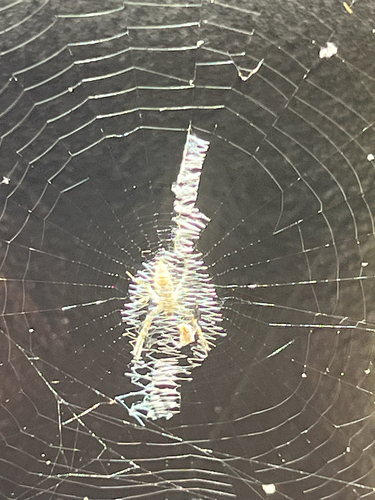
The Yellow Garden Spider has a large, oval abdomen marked with bright yellow and black patterns. Its eight long, slender legs are dark brown, often banded with lighter segments. A silvery cephalothorax and distinctive zig-zag silk in its web make it easily identifiable.
Category
InsectsRarity
Common
Danger
0/5 · No known danger
Snaps
36
A female Yellow Garden Spider can lay over a thousand eggs in a single season!
Baby garden spiders can "balloon" for miles on a silk thread to find a new home!
The silk from their web is actually stronger than a steel strand of the same size!
They often eat their own old web at night to recycle the silk for a brand new one!
Yellow Garden Spider can spin a large, intricate orb web with a distinctive zig-zag stabilimentum that helps them catch flying insects.
Yellow Garden Spider has super sensitive hairs on its legs that help them detect prey caught in their web, even in the dark.
Yellow Garden Spider can construct a tough, silken egg sac that helps protect hundreds of tiny spiderlings from predators and harsh weather.
These spiders primarily eat flying insects caught in their large, sticky webs.
Age differences: Young spiders eat smaller insects, while adults can capture larger flying prey.
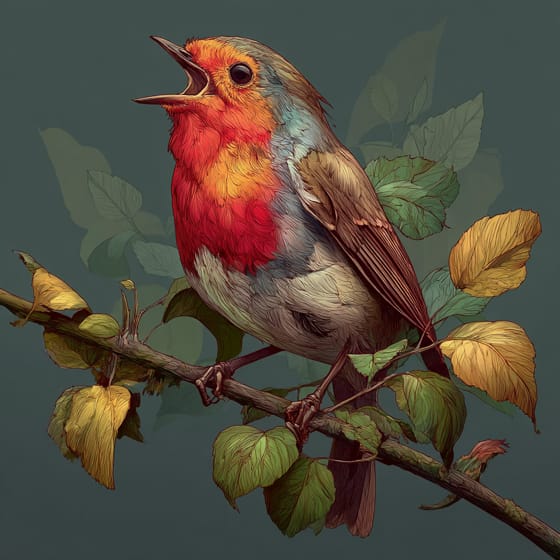
Turdus migratorius
Common garden bird predator.
Sceliphron caementarium
Paralyzes spiders for larval food.
Musca domestica
A common flying insect prey.

Schistocerca americana
A large insect caught in webs.
Solitary animals live alone for most of their lives, only interacting with others for mating or parental care.
Arboreal animals live primarily in trees, utilizing them for shelter, food, and protection from predators.
Colorful describes organisms or objects displaying a wide range of bright and distinct colors.
This trait identifies organisms whose diet consists entirely or primarily of animal tissue.

Diurnal animals are primarily active during daylight hours, typically resting or sleeping at night.
Danger
0/5 · No known danger
Always observe spiders from a distance and do not touch them.
The easiest way to identify Yellow Garden Spider is to use the Snappit nature identifier app.
15-25 mm
180-365 days
These spiders primarily eat flying insects caught in their large, sticky webs.
Gardens, fields, and forests across North America.
Ambush
8
Zoom in to split clusters and explore where this object has been snapped.
May 5, 2026
Flint RiverQuariumPhoto attribution
(c) Lexa, some rights reserved (CC BY)
License: CC BY 4.0 ↗
Image may be shown cropped inside the card frame.

Florida, US
You might spot Anole, Eastern Box Turtle, and Golden Silk Spider.
View guide →

South Carolina, US
You might spot Brown Pelican, Boat-Tailed Grackle, and Great Egret.
View guide →

Oklahoma, US
You might spot Western Ratsnake and Spotted Chorus Frog.
View guide →

Oklahoma, US
You might spot Hoary Vervain, Buffalo Gourd, and Pond Slider.
View guide →

Alabama, US
You might spot Painted Bunting, House Finch, and Red-Shouldered Hawk.
View guide →

US
You might spot Brown Pelican, Boat-Tailed Grackle, and Great Egret.
View guide →
Take the discovery with you
Snap it with Snappit to identify it, learn what makes it special, and add the discovery to your collection.








.jpg&width=800)



