





The Mocha
Cyclophora annularia
The Mocha is a lovely moth with beautiful brown and cream patterns on its wings. It likes to rest on tree trunks and can be hard to spot because it blends in so well with its surroundings.
Habitat: Forests
The The Mocha moth is a small, pale brownish insect with delicate wings that feature distinctive dark rings or bands, giving it a coffee-like, 'mocha' appearance. Its slender body and intricate wing patterns help it blend seamlessly with tree bark, making it a master of disguise.
Category
InsectsRarity
Common
Danger
1/5 · Very low
Snaps
Be the first to snap!
Did you know The Mocha moth is named after a type of coffee bean?
Female Mocha moths lay tiny, intricate eggs in precise patterns on leaves.
Its caterpillars are master camouflage artists, blending with twigs!
Some adult Mocha moths have transparent 'windows' in their wings.
The Mocha can vanish into its surroundings because its wing patterns perfectly mimic tree bark, helping them avoid hungry birds.
The Mocha has intricate ringed markings that help them confuse predators, making it harder to distinguish their body from background textures.
The Mocha has caterpillars that can change color slightly to match their host plant leaves, helping them stay hidden as they munch.
Its caterpillars feast on tree leaves, while adult moths might sip nectar or sometimes don't feed at all.
Age differences: Caterpillars eat plant leaves; adults typically do not feed or consume nectar.
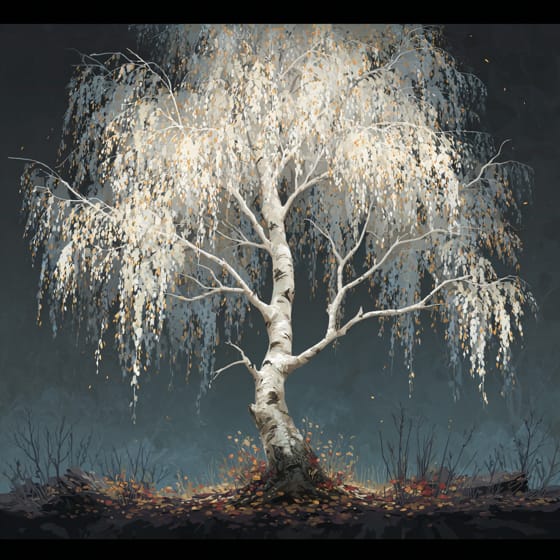
Betula pendula
Caterpillars feed on its leaves.
Alnus glutinosa
Larvae also eat its foliage.

Corylus avellana
Another primary food source.
Myotis myotis
A nocturnal predator of moths.
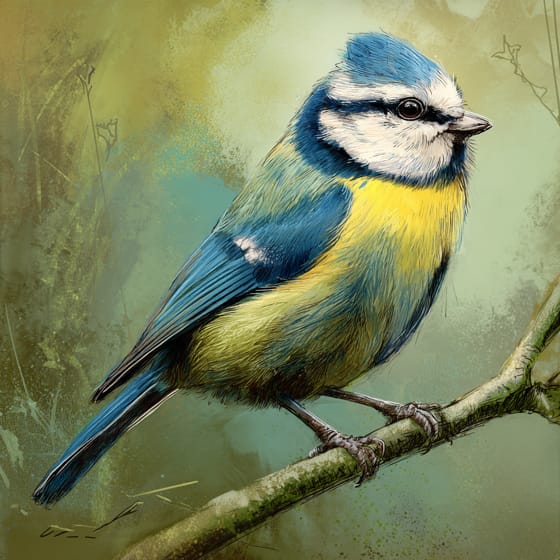
Cyanistes caeruleus
Feeds on larvae and adults.
Solitary animals live alone for most of their lives, only interacting with others for mating or parental care.
Camouflaged describes organisms that possess coloring or patterns that allow them to blend into their environment.
This trait characterizes organisms whose diet consists entirely or primarily of plant material.
Forest habitats are terrestrial environments dominated by dense tree cover, supporting a high diversity of plant and animal life.

Nocturnal animals are primarily active during the nighttime hours, typically resting or sleeping during the day.

Describes organisms that transfer pollen, enabling the fertilization and reproduction of plants.
No aliases listed yet.
Danger
1/5 · Very low
Moths are usually harmless, but it's best to watch them from a distance.
The easiest way to identify The Mocha is to use the Snappit nature identifier app.
20-30 mm
12-18 mm
7-21 days
8 km/h
Its caterpillars feast on tree leaves, while adult moths might sip nectar or sometimes don't feed at all.
Forests
Foraging
Zoom in to split clusters and explore where this object has been snapped.
Recent snaps will appear here as new observations are added.
Take the discovery with you
Snap it with Snappit to identify it, learn what makes it special, and add the discovery to your collection.








.jpg&width=800)



